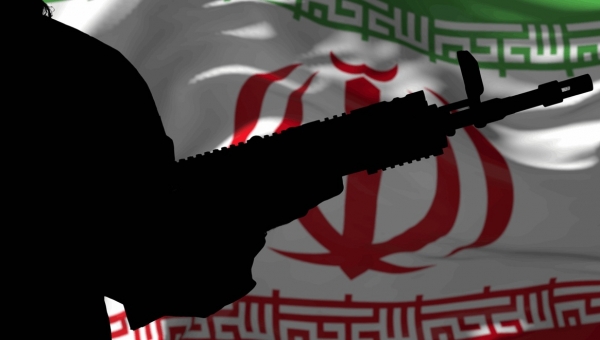
Middle East Conflict: US Faces Risk of Quagmire Similar to Ukraine
Published: November 25, 2023 | Author: PetroTimes Editorial Board
After nearly five months since its outbreak, the Middle East conflict has entered its second phase following the collapse of a temporary ceasefire. Iran continues to threaten shipping through the Strait of Hormuz, while the US has restored its naval blockade against Iranian oil exports, creating a tense situation with the potential to escalate into a larger-scale conflict.
Escalating Tensions
The situation in the Middle East is at an extremely sensitive juncture as conflicting parties are intensifying both military and diplomatic actions. The collapse of the temporary ceasefire has opened a new chapter in this prolonged conflict, with high likelihood that the situation will continue to escalate in the coming months.
According to military sources, Iran has issued strong warnings about potentially interfering with oil shipping routes through the Strait of Hormuz - one of the world's most strategic sea lanes, accounting for approximately 20% of global seaborne oil transportation.
In response, the US has restored naval blockade measures against Iranian oil exports while deploying additional naval vessels and bomber aircraft to the region. This is considered a significant escalation by Washington in this conflict.
Comparison with Ukraine Situation
International observers are increasingly concerned about the risk of the US becoming bogged down in the Middle East conflict, similar to the situation in Ukraine. Both conflicts share several notable similarities:
| Comparative Factor | Middle East Situation | Ukraine Situation |
|---|---|---|
| US Involvement | Stable, supporting Israel, naval interventions | Stable, supporting Ukraine, weapons, financial aid |
| Escalation Risk | High - threatens global oil disruption | High - risk of NATO expansion |
| Economic Impact | Rising oil prices, inflation, supply chain disruptions | Inflation, energy disruption, food shortages |
| Duration | Entering phase 2 | Over 1.5 years |
Risk of Military Quagmire
Military experts assess that if the US directly participates in the Middle East conflict on a large scale, the risk of entanglement is very high. History has shown that conflicts in the Middle East often last much longer and are far more costly than initially anticipated.
In Ukraine, the US has committed over $40 billion in military aid and has been involved in the conflict for over 1.5 years with no signs of withdrawal. If the situation in the Middle East escalates into a direct confrontation between the US and Iran, the cost and duration of US involvement could be even greater.
Impact on Technology and Energy
The Middle East conflict is having significant impacts on global technology and energy sectors:
- Surging oil prices due to concerns about supply disruptions from the Middle East
- Renewable energy sector potentially being accelerated by reduced dependence on Middle Eastern oil
- Increasing importance of surveillance and cybersecurity technologies to protect energy infrastructure
- Increased investment in clean energy technologies due to pressure to reduce fossil fuel dependence
| Technology Sector | Impact from Middle East Conflict |
|---|---|
| Energy | Price volatility, increased investment in renewable energy |
| Cybersecurity | Increased demand for protecting energy infrastructure |
| Satellite Surveillance | Higher demand for monitoring military activities |
| Robotics and AI | Increased military and maritime patrol applications |
International Reactions
The international community has responded differently to the escalating situation in the Middle East. While the United Nations calls for restraint and dialogue, major powers hold different viewpoints:
- US and Western Allies: Support Israel while attempting to contain Iran
- Russia and China: Call for peaceful solutions, oppose external intervention
- European Union: Divided, some countries support Israel, others call for ceasefire
- Middle Eastern Nations: Fragmented, some support Israel, others support Palestine
Future Outlook
According to analysts, the Middle East situation could develop along several scenarios in the coming period:
- Scenario 1: Conflict continues to escalate, with direct US intervention leading to entanglement risks
- Scenario 2: Conflicting parties seek diplomatic solutions under international pressure
- Scenario 3: Conflict prolongs at low intensity but stable level, creating a "new regional tension"
In all scenarios, the impact on global energy security and economic stability is unavoidable. Nations need to prepare for potential fluctuations in energy markets and global supply chains.
Conclusion
The Middle East conflict is entering a new phase with high escalation risks. Similarities to the Ukraine situation have raised concerns about the possibility of the US becoming entangled in another conflict in the Middle East. The impact of this conflict on global technology and energy sectors is evident, from fluctuating oil prices to the promotion of clean energy solutions.
In this context, the international community must strive to promote dialogue and peaceful solutions while preparing for the technological and economic impacts that may arise from this conflict.
Hashtag: #MiddleEastConflict #Ukraine #USA #Iran #Energy #MilitaryTechnology