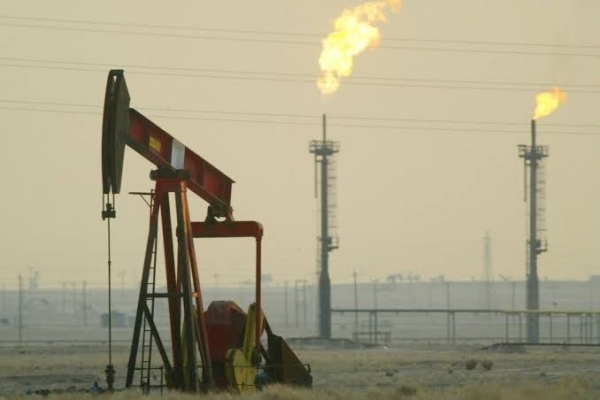
BP and ConocoPhillips Forge Strategic Partnership to Develop Massive Oil Fields in Iraq
In a strategic move that could reshape the Middle East's oil and gas landscape, global energy giant ConocoPhillips has officially agreed to acquire a 42% stake in BP Plc's company developing four major oil fields in the Kirkuk region of northern Iraq. This landmark agreement marks a significant step toward unlocking Iraq's vast oil potential while simultaneously expanding ConocoPhillips' presence in the promising yet challenging Middle Eastern market.
Geopolitical Context and Iraq's Oil Reserves
Iraq possesses one of the world's largest oil reserves, estimated at approximately 145 billion barrels, ranking fifth globally. The Kirkuk region, where this collaborative project is located, is known as one of Iraq's most oil-rich areas, with a history of oil extraction dating back to the Ottoman era. However, the potential of this region has not been optimally exploited due to security challenges, political instability, and outdated infrastructure.
The partnership between BP and ConocoPhillips in Kirkuk not only brings economic benefits but could also contribute to regional stability by creating employment opportunities and stimulating local economic development.
Strategic Partnership Details
The agreement between these two oil and gas industry leaders was signed earlier this month, with ConocoPhillips acquiring a 42% stake in BP's development company for the Kirkuk fields. While the exact financial terms were not disclosed, industry sources estimate the deal could be worth several billion dollars.
The project focuses on developing and extracting oil from four major fields in Kirkuk, including:
- Avana Field: Estimated reserves of 2 billion barrels
- Bai Hassan Field: Estimated reserves of 3 billion barrels
- Khabbaz Field: Estimated reserves of 1.5 billion barrels
- Qayyarah Field: Estimated reserves of 2.5 billion barrels
Initially, BP held a 100% stake in these projects. Following the completion of this agreement, BP will retain a 58% stake, while ConocoPhillips becomes the second-largest partner.
Strategic Visions of Both Corporations
ConocoPhillips' Vision
The acquisition of stakes in Iraq's oil fields is part of ConocoPhillips' global expansion strategy. The corporation is seeking to diversify its investment portfolio beyond North America, where it already holds a dominant position. The Middle East, with its vast oil reserves, represents an attractive market for this strategy.
"Iraq is one of the most promising oil markets in the world," said Ryan Lance, CEO of ConocoPhillips. "Partnering with BP in Kirkuk allows us to access high-quality assets at a reasonable cost. This is a strategic step in our efforts to expand our global presence."
BP's Vision
For BP, the partnership with ConocoPhillips helps mitigate financial and geopolitical risks in Iraq. Following the significant losses from the 2010 Deepwater Horizon oil spill disaster, BP has been more cautious in pursuing high-risk projects. Sharing risks with an experienced partner like ConocoPhillips is a strategic choice.
"We value our partnership with ConocoPhillips in Iraq," said Bernard Looney, CEO of BP. "Sharing expertise and resources will enable us to develop the Kirkuk projects more effectively while reducing risks for both parties."
Challenges and Opportunities
Challenges
Despite the significant potential, the project faces numerous challenges:
| Challenge | Impact Level |
|---|---|
| Political Instability | High |
| Regional Security | High |
| Outdated Infrastructure | Medium |
| Oil Price Volatility | Medium |
| Legal Challenges | Low |
Opportunities
Beyond the challenges, the project offers numerous attractive opportunities:
- Increase Iraq's oil production to 5-7 million barrels per day within the next decade
- Create thousands of jobs for local communities
- Invest in modern energy infrastructure in the region
- Enhance international cooperation in the oil and gas sector
- Promote economic and social development in northern Iraq
Impact on Global Oil Markets
The collaboration between these two industry leaders in Iraq could have a significant impact on global oil markets:
1. Increased Oil Supply: The Kirkuk oil fields could potentially increase production to 1.5-2 million barrels per day at full capacity, contributing to global oil price stability.
2. Shifting Power Dynamics: This partnership could alter the power balance in the global oil and gas industry, creating a new alliance to compete with corporations like Saudi Aramco and Rosneft.
3. Technology Investment: The application of advanced extraction technologies from both corporations could enhance efficiency in Iraq's oil extraction and throughout the Middle Eastern region.
Market and Expert Reactions
Stock prices for both BP and ConocoPhillips increased following the announcement, indicating positive market assessment of this move. Specifically:
| Company | Stock Price Movement | Expert Assessment |
|---|---|---|
| BP | Up 3.2% | Positive move, risk reduction |
| ConocoPhillips | Up 2.8% | Successful market expansion |
Analysts from Wood Mackenzie evaluated: "This agreement is a smart move from both sides. BP reduces its risk exposure, while ConocoPhillips gains access to high-quality assets in one of the world's most promising oil regions."
However, some experts have expressed concerns about geopolitical risks in Iraq. Professor Mohammed Al-Fayed, an energy expert at Baghdad University, noted: "Despite the significant potential, oil extraction in Kirkuk still faces numerous security and political challenges. This partnership requires effective security measures and local community consensus to succeed."
Future Outlook
According to plans, the initial phase of the project will focus on infrastructure upgrades and increasing production at existing oil fields. Phase two, expected to commence in 2026, will concentrate on expanded extraction and the application of advanced technologies to optimize production.
By 2030, the Kirkuk oil fields could potentially contribute 20-25% of Iraq's total oil production, helping Iraq strengthen its position as one of the world's leading oil producers.
Conclusion
The partnership between BP and ConocoPhillips in Iraq demonstrates the resilience and adaptability of the global oil and gas industry in the context of energy transition. Despite facing numerous challenges, the economic and strategic potential of the project is undeniable.
For Iraq, this represents an opportunity to restore its status as an oil powerhouse and promote socio-economic development. For BP and ConocoPhillips, it's a chance to expand market share, increase profitability, and reinforce their leading positions in the global energy industry.
In the context of the global shift toward renewable energy, traditional oil projects like those in Kirkuk will continue to play a crucial role in ensuring global energy security for the coming decades.