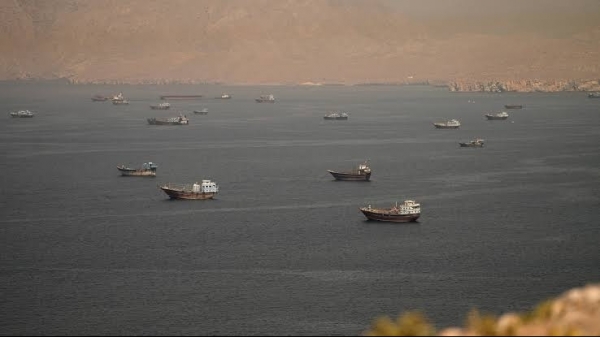
Oil Tanker Explosions in Strait of Hormuz Escalate US-Iran Tensions
In a significant development that threatens to further destabilize an already volatile region, two oil tankers have exploded while transiting through the strategically vital Strait of Hormuz, dramatically escalating tensions between the United States and Iran. According to statements from the Islamic Revolutionary Guard Corps (IRGC), the vessels sustained damage after navigating through a maritime area allegedly mined in the southern part of the strait.
The Geopolitical Significance of the Strait of Hormuz
The Strait of Hormuz stands as one of the world's most critical maritime chokepoints, through which approximately 30% of globally seaborne oil transit flows. This narrow waterway situated between Iran and the Arabian Peninsula connects the Persian Gulf with the Gulf of Oman and the Arabian Sea. The stability of this passage holds profound implications for global energy security, serving as a vital conduit for oil exports from major producers in the Middle East to markets worldwide.
Any disruption to maritime traffic through the Strait of Hormuz can have immediate and far-reaching consequences for global oil prices and energy supplies. The waterway's importance has made it a focal point of geopolitical rivalries and a potential flashpoint in regional conflicts.
Detailed Account of the Incident
According to the IRGC's official statements, two oil tankers experienced explosions after passing through a maritime corridor that had been identified as containing naval mines in the southern region of the Hormuz Strait. However, comprehensive details regarding the vessels' nationality, the extent of damages incurred, and the precise cause of the explosions remain undisclosed at this time.
The incident occurs against a backdrop of heightened tensions between Washington and Tehran, which have reached critical levels since the United States unilaterally withdrew from the 2015 nuclear agreement and subsequently imposed stringent economic sanctions on Iran. The timing of the explosions suggests a deliberate provocation that could further complicate diplomatic efforts to de-escalate the situation.
Reactions from Key Stakeholders
United States Response: The United States immediately accused Iran of orchestrating the incident, characterizing it as a provocative act targeting international maritime security. Speaking at a press conference, a State Department spokesperson asserted that "Iran continues to engage in destabilizing activities in the region, threatening global maritime security and commerce." The US has not yet specified what actions it might take in response, but historical precedents suggest potential military or economic retaliatory measures.
Iranian Position: Iran has vehemently denied the American allegations, insisting that Tehran remains committed to safeguarding maritime security in the region. A high-ranking Iranian Foreign Ministry official stated, "We have no interest in destabilizing this vital trade route. These are baseless accusations with political motivations." Iranian officials have suggested the possibility of false flag operations by external actors seeking to justify increased military presence in the region.
Historical Context of Tensions in the Strait of Hormuz
The Strait of Hormuz has emerged as a hotspot in recent years due to the intensifying US-Iran rivalry. Since 2019, several oil tankers have been attacked or detained in the area, with both sides accusing each other of responsibility. These incidents reflect a broader pattern of shadow conflicts and proxy wars that characterize contemporary Middle Eastern geopolitics.
The following table summarizes significant recent incidents in the Strait of Hormuz:
| Date | Incident | Affected Parties | Aftermath |
|---|---|---|---|
| June 2019 | Oil tanker attacked | Japan, Norway | US blamed Iran; Iran denied involvement |
| July 2019 | Oil tanker detained | United Kingdom | Tehran claimed violation of maritime laws |
| April 2020 | Oil tanker explosion | Unidentified | Mutual accusations between US and Iran |
| August 2023 | Two oil tankers explode | Unidentified | Escalating tensions; ongoing investigation |
Impact on Global Energy Markets
Incidents in the Strait of Hormuz consistently trigger concerns about global oil supply. Despite the absence of official information regarding the scale of damages, international energy markets have already reacted to the event, with crude oil prices experiencing a moderate increase due to fears of supply disruptions.
According to energy market analysts, any incident in the Strait of Hormuz can have significant repercussions on global oil prices, particularly when oil supplies from the Persian Gulf region are already constrained by sanctions. The psychological impact of such incidents often outweighs the actual physical disruption, as markets price in potential future conflicts and their implications for supply security.
The following table illustrates potential economic impacts of Hormuz Strait incidents:
| Impact Factor | Short-term Effects | Long-term Implications |
|---|---|---|
| Oil Prices | Immediate spike of 5-15% | Volatility increases; potential structural shift |
| Insurance Costs | Sharp rise for regional transit | Permanent increase in maritime insurance |
| Shipping Routes | Vessels avoid the strait | Redundant routes become more established |
| Global Economy | Inflationary pressure | Growth slowdown in energy-dependent economies |
Expert Analysis
Mr. Nguyen Van Minh, an expert in energy security and international relations, commented: "This incident underscores the precarious situation in the Strait of Hormuz. Both the US and Iran find themselves in a difficult position—escalating tensions could cause significant global economic damage, but showing weakness might be perceived as a sign of vulnerability."
Ms. Tran Thi Mai, an energy economics specialist, added: "The global crude oil market is highly sensitive to news from this region. Even without actual supply disruptions, mere concerns about maritime security are sufficient to drive up oil prices. This demonstrates how geopolitical risks are directly monetized in energy markets."
Additional analysis from maritime security experts suggests that the sophistication of the attack—if confirmed to involve naval mines—would indicate a coordinated, state-sponsored operation rather than a spontaneous act by non-state actors.
Future Scenarios for the Strait of Hormuz
In the current context, several potential developments could unfold:
- Enhanced naval patrols by concerned nations in the Strait of Hormuz
- Increased US naval deployment to protect commercial shipping
- Continued Iranian pressure campaigns aimed at sanctions relief
- European diplomatic initiatives to de-escalate tensions
- New security measures from the International Maritime Organization (IMO)
- Temporary diversions of shipping routes, increasing transit costs
- Further market volatility and potential price spikes
- Escalation into direct military confrontation between US and Iranian forces
Conclusion and Broader Implications
The explosion of two oil tankers in the Strait of Hormuz serves as a stark reminder of the fragility of maritime security in this strategically critical region. As official information continues to emerge, the international community must remain vigilant to the potential for heightened tensions between the US and Iran, which could lead to severe consequences for global security and energy market stability.
Energy market participants are closely monitoring the situation, with traders and analysts assessing both immediate and long-term implications. The incident has already contributed to increased risk premiums in oil markets, with the potential for more significant price movements depending on further developments.
Diplomatic and security experts are calling for restraint from all parties, emphasizing the importance of dialogue and peaceful conflict resolution to ensure maritime security and stabilize global energy markets. The incident highlights the need for multilateral mechanisms to manage conflicts in strategically important waterways and prevent escalation that could have far-reaching economic and security consequences.
As the situation continues to evolve, stakeholders across the energy, shipping, and diplomatic sectors will be watching closely to determine whether this incident represents a temporary flare-up or marks a dangerous new phase in the already complex US-Iran relationship.