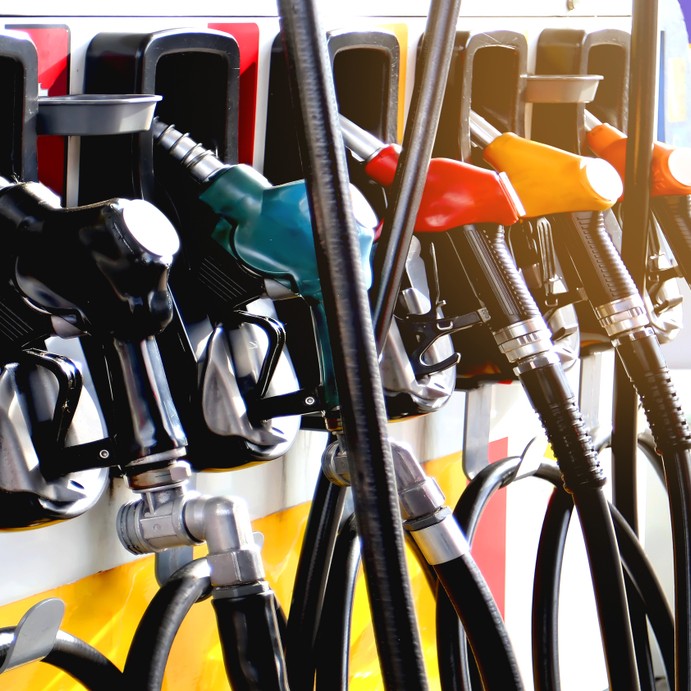
China Implements Nationwide Gasoline and Diesel Price Hike Effective July 18
In a significant move affecting consumers and businesses across the country, China's National Development and Reform Commission (NDRC) announced on Friday a retail price adjustment for gasoline and diesel, effective from July 18. This decision follows the recent surge in international crude oil prices during the past week.
Price Adjustment Details
The NDRC, the governmental body responsible for regularly adjusting retail price ceilings based on global market conditions, announced that gasoline prices will increase by 300 yuan (approximately $44.29) per ton, effective from Saturday. According to the commission, retail diesel prices will see a corresponding increase of 290 yuan (approximately $42.82) per ton.
| Fuel Type | Price Increase (Yuan/ton) | Price Increase (USD/ton) | Percentage Increase |
|---|---|---|---|
| Gasoline | 300 | 44.29 | ~3.5% |
| Diesel | 290 | 42.82 | ~3.3% |
Rationale Behind the Price Increase
The official statement from the NDRC explains: "The latest pricing cycle is marked by increased volatility in international crude oil prices amid escalating tensions in the Middle East, pushing the average crude oil price in the 10 working days before the adjustment higher than in the previous pricing cycle."
According to Xinhua News Agency, Li Biqian, chief energy analyst at information service provider Oilchem, provided this explanation regarding the price adjustment.
Global Market Context
The rising oil prices are not limited to the Chinese market but are expected to impact markets worldwide, including the United States. Early in the week, crude oil prices were on track for a 12% weekly increase—the largest gain since April—amid escalating tensions in the Middle East and sudden disruptions in the flow restoration through the Strait of Hormuz, pushing oil futures to their highest level in over a month.
Impact on the US Market
According to Patrick De Haan, head of petroleum analysis at GasBuddy, the average gasoline price in the United States is currently near $4 per gallon, while the national average diesel price reached $5 per gallon on Thursday.
De Haan added: "Americans spent $308 million more on gasoline on Friday, July 16, compared to the same day last year."
| Market | Average Gasoline Price (USD/gallon) | Average Diesel Price (USD/gallon) | Trend |
|---|---|---|---|
| United States | Near 4.00 | 5.00 | Increasing |
| China | Yet to be announced | Yet to be announced | Increasing from July 18 |
Market Stabilization Measures
The NDRC has ordered China's state-owned oil companies—CNPC, Sinopec, and CNOOC—to "maintain production and promote transportation to ensure stable supply."
These measures aim to mitigate the impact of the price increase on consumers and businesses while ensuring a stable supply of fuel products across the country.
Expert Analysis
According to energy experts, China's gasoline and diesel price increases are an inevitable consequence of global energy market volatility. Geopolitical tensions in the Middle East, particularly issues related to the Strait of Hormuz—a critical oil transportation route—have created significant pressure on global oil supply.
Li Biqian commented: "We can see the post-COVID-19 demand recovery combined with geopolitical factors creating a very volatile oil price environment. China, as the world's largest oil importer, cannot avoid adjusting domestic prices."
Conclusion
China's gasoline and diesel price increases are part of the ongoing global energy price adjustments currently taking place. Industry experts forecast that if tensions in the Middle East continue to escalate, oil prices may continue to rise, leading to further price increases in many countries.
Global consumers and businesses need to prepare for the possibility of continued fuel price increases, which could impact transportation costs and production expenses across various economic sectors.
The NDRC and other energy regulatory bodies worldwide are closely monitoring the situation and may implement necessary interventions to stabilize the market as needed.