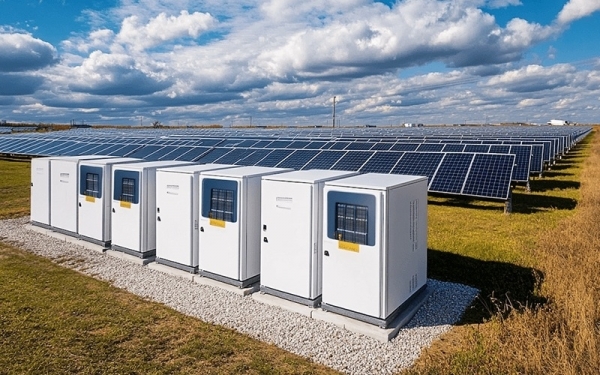
Proposal for New Pricing Framework for Solar Power Integrated with Battery Energy Storage Systems: A New Milestone for Vietnam's Energy Sector
The Ministry of Industry and Trade is currently collecting feedback from 14 localities and professional units regarding the proposal for constructing a 2026 electricity generation pricing framework for solar power and wind power. Notably, this is the first time the regulatory authority has proposed a generation pricing framework for solar power projects integrated with battery energy storage systems (BESS).
This proposal marks a significant advancement in Vietnam's renewable energy development strategy, moving toward a more stable, sustainable, and flexible power system. The inclusion of BESS in the pricing framework not only addresses the intermittency challenges of renewable energy but also opens up new investment opportunities for energy sector businesses.
Background and Significance of the Proposal
In recent years, Vietnam has achieved remarkable success in developing solar power. However, dependence on weather conditions has created challenges for the national power system, particularly during peak hours or when grid failures occur.
According to experts, integrating battery energy storage systems (BESS) will help:
- Maintain grid stability by providing energy when needed
- Reduce dependence on traditional energy sources
- Increase the efficiency of solar power utilization, especially at night
- Provide ancillary services to the grid such as frequency regulation and voltage control
Details of the New Pricing Framework Proposal
According to the Ministry of Industry and Trade's proposal, the pricing framework for solar power integrated with BESS will be constructed based on the following principles:
- The framework will apply to solar power projects with a capacity of 1MW or more
- The minimum power purchase agreement period is 20 years
- Electricity prices will be adjusted periodically based on investment costs and operational efficiency
- Special incentives for projects where BESS accounts for over 30% of total capacity
This creates a clear incentive mechanism for investors to develop storage-integrated projects, contributing to the modernization of Vietnam's power system.
Comparison Between Traditional Solar Power and Solar Power Integrated with BESS
The following table provides a detailed comparison between the two solar power development models:
| Criteria | Traditional Solar Power | Solar Power Integrated with BESS |
|---|---|---|
| Stability | Dependent on weather conditions | Provides continuous energy supply |
| Investment Cost | Lower | Higher (due to storage battery costs) |
| Economic Efficiency | Dependent on generation hours | Higher due to ability to sell electricity anytime |
| Grid Impact | Sometimes causes overloading at connection points | Supports grid stability |
| Current Pricing Framework | Already has a clear pricing framework | Currently being developed |
Impact on Vietnam's Energy Sector
The implementation of a new pricing framework for solar power integrated with BESS is expected to generate positive impacts:
- Attract foreign investment in high-tech renewable energy sectors
- Promote the development of domestic battery storage manufacturing industry
- Reduce dependence on fossil fuels and electricity imports
- Contribute to fulfilling COP26 commitments on carbon emission reduction
According to forecasts by experts, by 2030, Vietnam could achieve the target of 20% electricity from renewable energy, with solar power accounting for the largest share.
Challenges and Solutions
Although the proposal offers numerous benefits, its implementation still faces several challenges:
- High initial investment costs: Need for appropriate financial support mechanisms
- Incomplete policies: Need for a comprehensive legal framework for BESS
- Lack of professional human resources: Need to train high-quality human resources
- Inadequate transmission infrastructure: Need for investment in grid upgrades
To address these challenges, the Ministry of Industry and Trade is coordinating with related ministries and sectors to build detailed implementation plans, ensuring the feasibility and effectiveness of the proposal.
Expectations and Future Prospects
The establishment of a pricing framework for solar power integrated with BESS is not only a necessary step but also demonstrates Vietnam's long-term vision in developing clean energy. With support from incentive policies and technological advancements, Vietnam has the opportunity to become a regional leader in renewable energy.
According to Mr. Tran Van Nam, an energy expert: "This proposal marks a significant turning point in Vietnam's energy transition strategy. Combining solar power with storage systems not only solves the intermittency problem but also creates an intelligent, flexible, and sustainable energy system."
Domestic and foreign investors are closely monitoring policy developments to prepare projects that align with the new pricing framework. It is expected that in Q4/2024, the Ministry of Industry and Trade will finalize and officially issue the pricing framework, creating favorable conditions for the implementation of solar power projects integrated with BESS from 2026 onwards.
The implementation of this new pricing framework will not only contribute to ensuring national energy security but also open up opportunities for green economic development, toward sustainable development goals for Vietnam in the future.
#RenewableEnergy #SolarPower #BESS #EnergyTransition #SustainableDevelopment