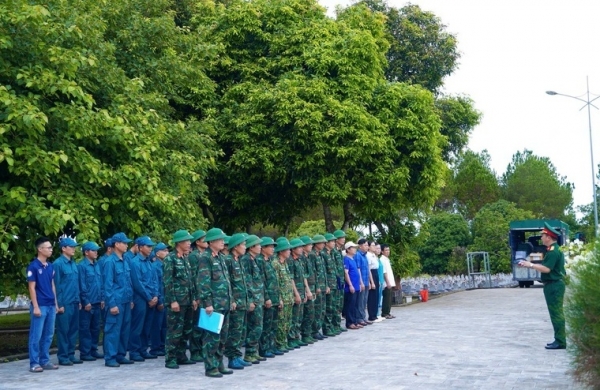
Quang Tri Province Launches DNA Sampling Project for 1,952 Unidentified Martyrs' Graves
QUANG TRI PROVINCE, VIETNAM - In a groundbreaking humanitarian initiative, Quang Tri Province has commenced a comprehensive DNA sampling project targeting 1,952 unidentified graves at the Vinh Linh Martyrs' Cemetery. This ambitious project is part of a larger effort titled "Search, Collect, and Identify Remains of Martyrs Who Died in War and Fulfilled International Missions at Vinh Linh Martyrs' Cemetery, Quang Tri Province."
The initiative represents a significant advancement in applying genetic technology to honor and identify fallen soldiers whose remains have remained unidentified since the Vietnam War. By leveraging modern DNA analysis techniques, authorities aim to bring closure to families and ensure proper burial honors for these national heroes.
Project Objectives and Timeline
The primary objective of this DNA sampling project is to collect genetic material from the unidentified graves to establish a database that can be compared with living relatives. The technical team has set an ambitious target of processing approximately 100 graves per day, with the entire project expected to be completed within 20 days, given the total of 1,952 graves requiring sampling.
This timeline is challenging but achievable according to project coordinators, who have assembled specialized teams including archaeologists, forensic scientists, and geneticists to ensure the work is conducted with both efficiency and the utmost respect for the fallen soldiers.
Advanced DNA Sampling Methodology
The DNA sampling process follows a rigorous, scientifically validated protocol designed to preserve the integrity of both the remains and the genetic material:
- Systematic excavation of graves under the supervision of representatives from various government agencies
- Collection of bone or dental samples (depending on preservation conditions)
- Professional packaging of samples using specialized materials to prevent contamination
- Comprehensive documentation of each sample with associated metadata
- Secure transportation to dedicated laboratories for analysis
- Processing and storage of DNA data in a national management system
Each step is carefully documented and audited to ensure the chain of custody is maintained, which is critical for the legal and ethical implications of the identification process.
Cutting-Edge Technology in Remains Identification
The project employs next-generation DNA sequencing and analysis technologies that can extract viable genetic material from degraded samples that are decades old. These advanced techniques can analyze even small or poorly preserved samples that would have been impossible to process with older technologies.
The DNA analysis system has an accuracy rate of up to 99% when compared with reference samples from living relatives. This high accuracy is achieved through multiple verification processes and the use of specialized algorithms designed to work with Vietnamese genetic markers.
The national DNA database management system has been built on modern information technology platforms, enabling rapid storage, processing, and querying of large volumes of genetic data. All information is encrypted to ensure maximum security and privacy protection for families of the martyrs.
Humanitarian Significance
The DNA sampling project at Vinh Linh Martyrs' Cemetery carries profound humanitarian and cultural significance:
- Enables scientific identification of previously unknown martyrs, allowing proper repatriation to their hometowns
- Provides answers to families who have waited decades for information about missing relatives
- Preserves historical accuracy and honors the sacrifices made during the conflict
- Educates younger generations about the nation's history and the value of peace
- Demonstrates the nation's commitment to honoring all who sacrificed for national independence
For many families, this project represents a final opportunity to achieve closure and properly mourn loved ones who were declared missing in action. The psychological impact of providing definitive identification cannot be overstated.
Technological Challenges and Innovative Solutions
The project team has faced several significant technical challenges in implementing this large-scale DNA identification initiative:
- Degraded DNA quality due to decades in tropical climate conditions
- Limited reference samples from potential relatives
- Complex logistics of handling numerous samples simultaneously
- Need for specialized equipment and facilities
- Data management challenges with such a large-scale project
To overcome these obstacles, the project has implemented several technological innovations:
- Next-generation DNA extraction techniques optimized for degraded samples
- Cloud-based data management systems for handling large volumes of genetic information
- Artificial intelligence algorithms for pattern recognition in complex genetic data
- Blockchain technology for maintaining an immutable record of sample processing
- Mobile laboratories for on-site sample preparation and initial analysis
Expected Outcomes and Impact
| Indicator | Quantity | Percentage |
|---|---|---|
| Total graves requiring sampling | 1,952 | 100% |
| Graves successfully sampled | 1,952 (target) | 100% |
| Expected identifiable remains | 1,500 | ~77% |
| Project completion timeline | 20 days | - |
| Families expected to receive answers | 1,500+ | - |
The Intersection of Technology and Tradition
This project exemplifies how modern technology can serve humanitarian purposes while respecting cultural traditions. The application of genetic science to identify fallen soldiers represents a powerful convergence of scientific advancement and cultural reverence.
DNA analysis provides objective, scientific identification that can be combined with traditional historical research to create a comprehensive understanding of each martyr's story and sacrifice. This dual approach ensures both technological accuracy and proper respect for the human element of the project.
The Vinh Linh Martyrs' Cemetery, located in a region that experienced some of the heaviest fighting during the Vietnam War, serves as a poignant reminder of the human cost of conflict. This DNA project represents a forward-looking approach to honoring that sacrifice by bringing scientific certainty to the identification process.
Broader Implications for Historical Preservation
The methodologies developed during this project have potential applications beyond the immediate scope of identifying fallen soldiers. The techniques for preserving and analyzing degraded DNA samples, managing large-scale bioinformatics projects, and maintaining chain of custody for evidence can be adapted for other historical and forensic investigations.
Additionally, the project creates a valuable repository of genetic information that may assist future generations in understanding population genetics and historical migration patterns, adding a scientific dimension to historical research.
As Vietnam continues to develop its technological capabilities while preserving its cultural heritage, projects like the Vinh Linh DNA sampling initiative demonstrate how innovation can serve humanitarian goals and national reconciliation. The successful completion of this project will not only bring closure to thousands of families but also establish a model for similar identification efforts worldwide.