China and Middle East Oil Market Fluctuations: Future Impact and Predictions
Amid the conflict in Iran, Chinese refiners have stopped competing for crude from the Middle East, leaving more shipments from the Gulf for markets in Europe, India and the rest of Asia. This comes as traders prepare for a major supply shock. According to estimates by the International Energy Agency (IEA), China withdrew 41 million barrels from its crude oil reserves in June, marking one of the largest inventory draws in history.
China's Crude Oil Reserve Strategy
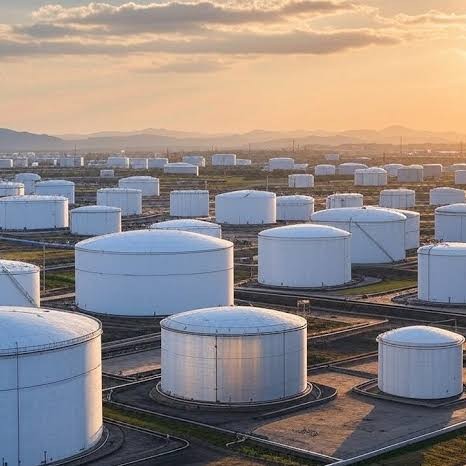
China's refineries have been meeting domestic demand from reserves instead of imports, allowing Beijing to weather a conflict-induced spike in crude prices from the Middle East. This stockpile was accumulated before the conflict broke out. The U.S. Energy Information Administration estimates that in 2025, China spent heavily on purchases of about 900,000 barrels per day for strategic and commercial reserves as prices fell.
| Time | Volume of Crude Oil Imported (barrels/day) | Change from last month | Crude Oil Reserves (barrels) |
|---|---|---|---|
| April | 8.5 million | - | 300 million |
| May | 6.78 million | -1.72 million | 300 million |
| June | 6.7 million | -1.62 million | - |
Reduced Refinery Output and Impact on the Market
Independent refiners in China have cut operating rates as thin margins, slowing fuel demand and rising crude prices have hit profits. According to Reuters, some refineries have switched to buying oils from the Gulf at preferential prices and delayed shipments of Iranian oil, leaving millions of barrels of oil without immediate buyers.
Kpler estimates that China's crude imports from ships fell to 6.78 million bpd, the lowest in nearly a decade, down from 8.5 million bpd in April and well below the 2025 average of 10.66 million bpd.
Asian Crude Oil Market Analysis
With China reducing purchases, the price of crude oil from the Gulf has changed. Saudi Aramco has reduced Arab Light prices for Asian customers by $4 per barrel for June shipments, an additional $6 for July and $11 for August. This has left the price of this oil $1.50/barrel below the Oman-Dubai benchmark.
Iran Oil Situation and Future
Meanwhile, Iranian crude has become less competitive. Iran's oil imports to China are expected to fall to about 556,000 barrels per day in July, the lowest level since early 2023. Despite this, Kpler still believes that China will continue to be Iran's main customer but falling oil demand and shrinking discounts are limiting procurement interest.
Long-Term Impact
The global oil market has seen a transformation as China, with its vast reserves, has added a new element to the way traders react to supply fluctuations. For decades, Saudi Arabia has been a key factor in regulating oil prices through its spare production capacity. However, China has gradually exerted its own influence through the timing of purchases.
Traders now track not only Saudi Arabia's output but also China's inventory levels, a key indicator of further moves in the global crude market.
#Oil #China #OilMarket #Iran #Gulf