Temporary Agreement Between Iraq and Turkey: A Critical Step in the Oil Industry
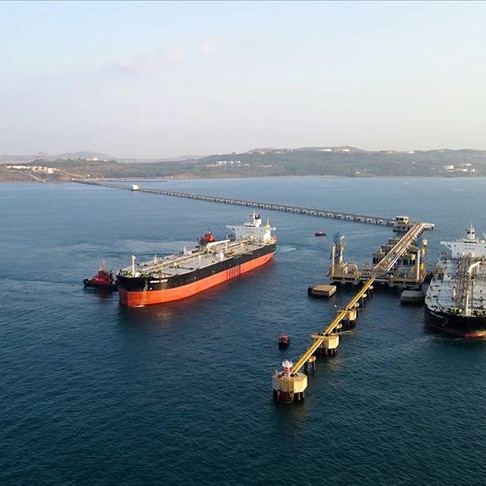
On July 27, the countdown to economic disaster for Iraq was temporarily halted when Turkey agreed to a one-year temporary deal, ensuring crucial oil exports through pipelines from northern Iraq to Turkey's Ceyhan port. The new agreement encompasses the entire Iraq-Turkey Pipeline (ITP) corridor, combining two separate oil pipelines into a unified mechanism, consistent with the 'Crude Oil Pipeline' agreement signed in 1973.
These routes have become even more essential for Iraq's ability to earn revenue from its oil flow after the effective closure of the Strait of Hormuz on February 28 and the continuous disruptions since then. Prior to these developments, approximately 95% of Iraq's crude oil was transported through this route to primary export destinations in Asia, including China, with over 90% of Baghdad's annual budget historically coming from these oil exports.
Impact of the Strait of Hormuz Closure
Due to the strait blockade, Iraq's oil storage facilities quickly filled up, and with very limited options to transport crude oil elsewhere, the country had to shut down its production wells. This not only affected production volumes but also increased the risk of permanent damage to Iraq's oil production due to loss of reservoir pressure, water intrusion, and corrosion.
The closure of this vital maritime chokepoint created an immediate crisis for Iraq's oil-dependent economy. With traditional export routes cut off, the country faced the prospect of losing billions in revenue while simultaneously risking long-term damage to its oil infrastructure and production capabilities.
Details of the Temporary Agreement
According to an announcement from Khazal Hostani, Director of the Contract Department of Iraq's Kurdistan Regional Ministry of Natural Resources, the temporary agreement will maintain over 200,000 barrels per day (bpd) flowing through the Ceyhan pipeline corridor, in line with volumes that had been in place before the Strait of Hormuz crisis.
The agreement represents a significant diplomatic achievement for Iraq, which had been facing mounting pressure as its oil storage facilities approached capacity. The deal allows Iraq to continue production while seeking more sustainable long-term solutions to its export challenges.
Challenges from International Court Ruling
These flows had been significantly reduced and for two and a half years, since March 2023, had been completely stopped following an International Court of Arbitration (ICC) ruling on February 13 of that year. The ICC ruled that Turkey must compensate Baghdad $1.5 billion for violating the 1973 'Crude Oil Pipeline' agreement by allowing the autonomous KRG (Kurdistan Regional Government) in northern Iraq to export oil independently.
The legal dispute had created a complex situation where Turkey found itself caught between its international obligations and its relationship with the Kurdish regional government. The ruling placed significant pressure on Turkey to balance its legal commitments with its geopolitical interests in the region.
| Date | Development |
|---|---|
| 1973 | 'Crude Oil Pipeline' agreement signed |
| February 28, 2023 | Closure of the Strait of Hormuz |
| February 13, 2023 | ICC ruling against Turkey |
| July 27, 2023 | Temporary agreement signed between Iraq and Turkey |
Turkey's Demands
Turkey is seeking long-term benefits from this agreement, including multi-layer joint ventures in the energy sector, emphasizing Iraq's investment in oil, gas, petrochemicals, and electricity. They have also demanded that Iraq commit to significant daily oil volumes through the pipeline, with penalties for non-full utilization.
"If Turkey doesn't get what they want, it's highly likely the agreement won't be renewed or could even be terminated," said energy experts familiar with the negotiations. This highlights the sensitivity and interdependence between Iraq and Turkey in the energy sector.
Turkey's strategic position as a transit country for Iraqi oil gives it considerable leverage in these negotiations. The country has been looking to strengthen its role as an energy hub in the region, and the continued flow of Iraqi oil through its territory aligns with this broader strategic objective.
Future Outlook
While the current temporary agreement has helped Iraq temporarily avoid economic disaster, the question of guarantees and achieving a long-term solution remains a major challenge. Both sides need to find a path forward that ensures stability in the oil industry, which not only affects Iraq but also the wider region.
Future developments in Iraq-Turkey relations will be closely watched, particularly in the context of complex regional geopolitical developments. The resolution of this pipeline dispute could set important precedents for energy transit agreements in the region and influence similar arrangements involving other resource-rich nations dependent on transit routes through neighboring countries.
For Iraq, securing reliable export routes remains a critical priority for economic stability and development. The temporary reprieve provided by this agreement offers valuable time to explore alternative export routes and diversify its energy infrastructure, reducing vulnerability to geopolitical disruptions in the future.
#Iraq #Turkey #OilIndustry #Energy #Economy #Politics