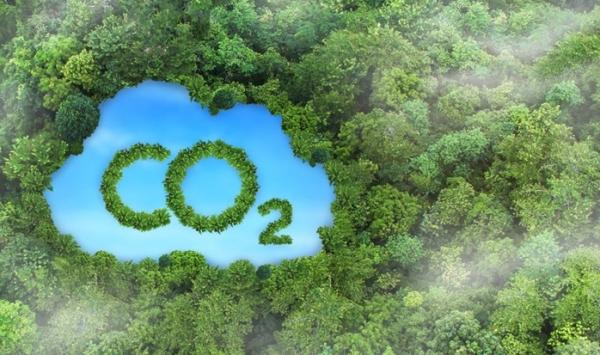
Vietnam Achieves $56.5 Million Revenue from Forest Carbon Credit Transfer
On July 13, 2023, Vietnam's economic landscape witnessed significant developments that underscore the nation's commitment to environmental sustainability and technological advancement. Among these, the remarkable achievement of earning $56.5 million through forest carbon credit transfers stands out as a milestone in Vietnam's environmental conservation efforts and economic diversification strategy.
Forest Carbon Credits: A New Economic Frontier for Vietnam
The successful transfer of forest carbon credits represents a groundbreaking achievement for Vietnam, positioning the country at the forefront of global carbon markets. This initiative not only generates substantial revenue but also aligns with international climate commitments and promotes sustainable forest management practices.
Forest carbon credits, also known as REDD+ (Reducing Emissions from Deforestation and Forest Degradation) credits, are tradable certificates representing one ton of carbon dioxide sequestered or avoided through forest conservation and sustainable management. These credits can be purchased by companies and governments seeking to offset their carbon emissions, creating a financial incentive for forest preservation.
Comprehensive Overview of Vietnam's Carbon Credit Program
| Program Parameter | Details |
|---|---|
| Total Revenue Generated | $56.5 million USD |
| International Partners | Multiple international organizations and climate investment funds |
| Primary Objectives | Greenhouse gas reduction, forest conservation, biodiversity protection, and sustainable community development |
| Implementation Timeline | Initial phase launched in 2023, with long-term targets extending to 2030 |
| Geographic Coverage | Forest conservation projects across multiple provinces, with emphasis on critical biodiversity areas |
| Monitoring Framework | Satellite monitoring, ground verification, and third-party auditing to ensure credit integrity |
Strategic Importance of Carbon Credit Revenue
The $56.5 million generated from carbon credit transfers represents more than just economic gain—it signifies Vietnam's successful integration into global climate finance mechanisms. These funds are earmarked for multiple purposes:
- Forest Conservation and Management: A significant portion will be reinvested into protecting existing forests and implementing sustainable forestry practices.
- Community Development: Supporting local communities living in and around forest areas through alternative livelihood programs.
- Climate Adaptation: Funding projects to enhance resilience against climate change impacts.
- Biodiversity Protection: Initiatives to preserve endangered species and maintain ecosystem balance.
Hanoi's Large-Scale Energy Storage Battery System
Parallel to the carbon credit achievement, Hanoi has officially commissioned a large-scale energy storage battery system, marking a significant advancement in Vietnam's energy infrastructure. This state-of-the-art facility represents a critical component in the nation's transition toward renewable energy integration and grid modernization.
The energy storage system utilizes advanced lithium-ion battery technology capable of storing substantial amounts of electricity generated from renewable sources. This stored energy can then be discharged during peak demand periods, enhancing grid stability and reliability while maximizing the utilization of intermittent renewable resources like solar and wind power.
Technical Specifications and Benefits of the Energy Storage System
| Feature | Specification |
|---|---|
| Storage Capacity | 100 MWh (megawatt-hours) |
| Power Output | 50 MW (megawatts) | Technology | Lithium-ion battery with intelligent management system |
| Response Time | Less than 100 milliseconds |
| Expected Lifespan | 15-20 years |
Comprehensive Benefits of the Energy Storage System
The implementation of Hanoi's energy storage battery system delivers multiple advantages across environmental, economic, and technical dimensions:
- Grid Stability Enhancement: Provides critical frequency regulation and voltage support, preventing blackouts and reducing grid fluctuations.
- Renewable Energy Integration: Enables higher penetration of solar and wind power by storing excess generation during peak production periods.
- Peak Load Management: Reduces strain on the grid during high-demand periods by discharging stored energy when needed most.
- Economic Efficiency: Lowers electricity costs by reducing the need for expensive peaker plants and minimizing transmission losses.
- Environmental Impact: Decreases reliance on fossil fuel-based power generation, resulting in significant carbon emission reductions.
- Emergency Preparedness: Functions as backup power during emergencies, enhancing resilience against natural disasters and grid failures.
Broader Implications for Vietnam's Sustainable Development
These two initiatives—the forest carbon credit program and the energy storage battery system—collectively represent Vietnam's comprehensive approach to sustainable development. They demonstrate the country's ability to leverage both natural resources and technological innovation to address climate change while fostering economic growth.
The carbon credit program positions Vietnam as a proactive participant in global climate action, turning environmental conservation into economic opportunity. Meanwhile, the energy storage system addresses the practical challenges of renewable energy integration, paving the way for a cleaner, more resilient energy future.
Future Outlook and Expansion Plans
Building on these successes, Vietnam has outlined ambitious expansion plans for both initiatives:
- Carbon Credit Program: Scaling up to additional forest areas, potentially generating $200-300 million annually by 2030. Plans include developing methodologies for other ecosystem types like mangroves and peatlands.
- Energy Storage: Deploying similar systems across major cities and industrial zones, with a target of 1 GW of storage capacity by 2030. Research is also underway for next-generation battery technologies with higher efficiency and lower environmental impact.
Conclusion: A Model for Sustainable Development
The economic developments of July 13, 2023, exemplify Vietnam's strategic vision for balancing environmental protection with economic progress. The $56.5 million revenue from forest carbon credits and the commissioning of Hanoi's energy storage battery system showcase how innovative approaches to environmental management and energy infrastructure can create substantial economic benefits while advancing sustainability goals.
These achievements position Vietnam as a leader in climate finance and renewable energy integration within the Southeast Asian region. As the country continues to implement its commitments under the Paris Agreement and pursue its net-zero emissions targets, these initiatives serve as building blocks for a greener, more prosperous future.
The successful implementation of these programs also offers valuable lessons for other developing nations seeking to leverage natural resources and technological innovation in their transition toward sustainable development. By turning environmental challenges into economic opportunities, Vietnam is demonstrating that conservation and development can go hand in hand.