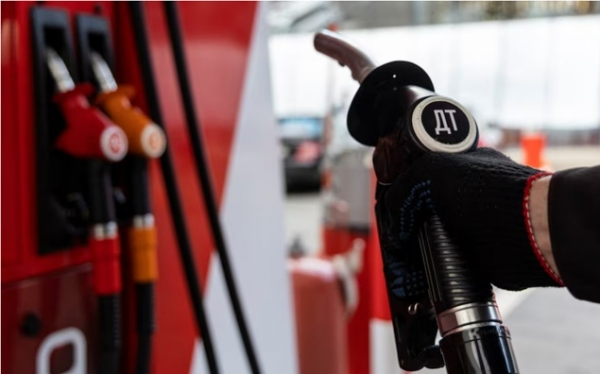
Russia officially banned the export of diesel
Russia has officially imposed a ban on all diesel exports, a move that shocked the global energy market. This decision was made to ensure a stable fuel supply for the domestic market after a series of Ukrainian drone attacks caused serious damage to Russia's energy infrastructure.
Political-military context
The tense political and military context between Russia and Ukraine continues to have a profound impact on the global energy market. The prolonged conflict has led to major changes in the energy supply chain, with Russia - one of the world's largest oil producers and exporters - continuously facing energy infrastructure security challenges.
Details of the ban
According to a notice from the Russian Ministry of Industry and Energy, the ban on diesel exports takes effect immediately and will continue until the energy infrastructure security situation is stabilized. This decision includes diesel produced from crude oil and other petroleum products. The ban is considered a necessary measure to ensure fuel supply for the domestic market, especially in the context of Russia's oil refineries and energy infrastructure constantly being attacked.
Impact on the energy market
Russia's diesel export ban is expected to have significant impacts on the global energy market:
- Diesel prices increase:Russia is one of the world's largest diesel exporters, with monthly exports reaching several million tons. Stopping exports will cause a supply shortage on the global market, pushing diesel prices to high levels.
- Impact on the supply chain:Diesel is an essential product for transportation, agriculture and industry. Supply shortages could disrupt supply chains worldwide.
- Impact on the global economy:Rising energy prices could cause inflationary pressure and slow global economic growth.
- Impact on dependent markets:European and Asian countries that depend on diesel supplies from Russia will have to look for alternative sources, possibly from the US, the Middle East or Africa.
Market reaction
Immediately after the announcement of the ban, diesel prices in the international market skyrocketed. According to data from the London Commodity Exchange (ICE), the price of diesel delivered in September increased 4.2% to 1,012 USD/ton. In Asia, diesel prices also increased by about 3-5% compared to previous levels.
Major energy companies such as Shell, BP and TotalEnergies have had to adjust their purchasing plans, while Asian importers are actively seeking alternative supplies from the Middle East and Africa.
The table summarizes the impact of the ban
| Time | Price impact | The market is affected |
|---|---|---|
| Right away | Increase 3-5% | Asia, Europe |
| Next 1-3 months | Increase 5-10% | Global |
| Next 3-6 months | Increase 10-15% | Global |
Expert comments
According to analysis by energy experts, Russia's diesel export ban may last for the next few months, until the infrastructure security situation improves. Experts also predict that diesel prices will continue to increase in the short term and may reach a record high in the next quarter.
"Russia's ban on diesel exports is a shocking move for the global energy market,"Mr. John Smith, analyst from the International Energy Institute, said."This is part of a series of emergency measures that Russia is taking to protect its energy infrastructure in the context of military conflict."
History of Russia-Ukraine energy relations
The energy relationship between Russia and Ukraine has gone through many ups and downs in recent years. Previously, Ukraine was one of the important energy transport routes from Russia to Europe. However, after Russia annexed Crimea in 2014 and the conflict broke out in 2022, Ukraine cut off most energy transport routes from Russia.
In recent months, Ukraine has stepped up drone attacks on Russian energy infrastructure, including oil refineries and fuel depots. These attacks have caused significant damage to Russia's energy industry and forced the country to find measures to protect its domestic supply.
Conclude
Russia's diesel export ban is a move that shocks the global energy market. In the context of ongoing military conflicts and continued attacks on Russia's energy infrastructure, countries importing diesel from Russia will face a major challenge in ensuring a stable supply. Meanwhile, diesel prices are likely to continue to increase in the short term, putting pressure on the global economy.
Hashtags:
#Russia #Ukraine #DauDiesel #NangLuong #ToanCau #XungDot