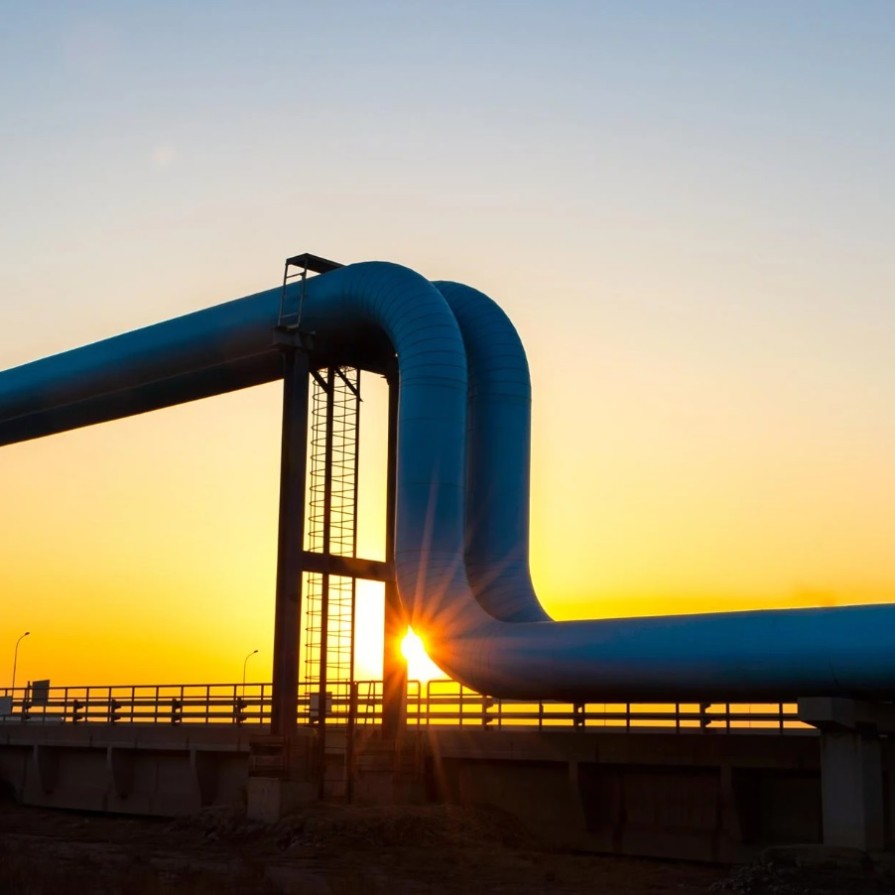
Canada and Alberta Unite on West Coast Oil Pipeline Project
In a landmark development for Canada's oil industry, the federal government and the province of Alberta have signed a historic Memorandum of Understanding (MOU) for a west coast oil pipeline on November 27, 2025. This pipeline project, targeting the Asian market, has been declared a project of potential national significance, marking a strategic shift in the country's energy policy.
From MOU to Implementation: The Project's Evolution
The initial agreement was strengthened on May 15, 2026, when Prime Minister Mark Carney and Premier Danielle Smith signed the Implementation Agreement, establishing specific timelines to advance construction approvals as early as September 2027. Following this, on July 2, the two leaders announced that the new pipeline from Alberta to British Columbia would be built as a public-private partnership—a collaborative model designed to balance economic benefits with regulatory responsibilities.
This partnership framework aims to combine government oversight with private sector efficiency, potentially accelerating the approval and construction process while ensuring environmental and social considerations are properly addressed.
Technical Specifications and Route Selection
The most notable aspect of the project is the selection of the "southern route," which follows the path of the existing Trans Mountain pipeline—a federal asset running from Edmonton to a terminal in Burnaby, BC, on the eastern outskirts of Vancouver. The proposed endpoint would be Roberts Bank near Tsawwassen on BC's southwest coast, an area that already hosts a coal terminal and container shipping facility.
According to the project summary, the Roberts Bank Delivery Terminal will cover approximately 260 hectares and include two docks capable of receiving large oil tankers. Each vessel can carry approximately two million barrels of oil, highlighting the scale and significance of the project for Canada's oil industry.
Key Technical Features:
- Length: 1,200 kilometers
- Route: Southern alignment following existing Trans Mountain corridor
- Terminal: Roberts Bank near Tsawwassen, BC
- Capacity: Designed for large oil tankers (2 million barrels per vessel)
- Terminal Size: Approximately 260 hectares
Route Optimization and Conflict Avoidance
By choosing the southern route, this 1,200km pipeline avoids passing through First Nations territories, who have consistently opposed any projects crossing their lands. This decision is particularly significant, as indigenous groups had successfully blocked the Enbridge Northern Gateway pipeline.
In 2016, the Federal Court of Appeal had criticized the approval of the Northern Gateway pipeline, stating that the federal government had not adequately consulted with affected First Nations. Additionally, a tanker ban exists on BC's north coast, and BC Premier David Eby has refused to support any pipeline that could endanger this ban.
| Route Considered | Advantages | Disadvantages |
|---|---|---|
| Southern Route | Avoids First Nations lands, utilizes existing infrastructure, complies with tanker ban | Higher construction costs, potential legal challenges |
| Northern Route | Shorter distance, potentially lower transportation costs | Crosses First Nations territories, violates tanker ban |
Costs and Controversies
Despite having a more viable route and partnership structure, the project still faces questions about its cost. Critics note that the Trans Mountain pipeline costs have skyrocketed from $4.5 billion when the federal government purchased it from Kinder Morgan in 2018 to over $35 billion by the time of its operational start in May 2024.
British Columbia estimates the new west coast pipeline could cost between $35 to $43 billion when completed between 2032-2034. This figure raises concerns about the project's financial viability, particularly in the context of global economic uncertainty.
| Project | Estimated Cost (Billion CAD) | Projected Completion | Funding Source |
|---|---|---|---|
| Current Trans Mountain | 4.5 → 35+ | 2024 | Federal Government |
| New West Coast Pipeline | 35 - 43 | 2032-2034 | Public-Private |
| Northern Shield Pipeline | Not yet disclosed | Not yet determined | Not yet determined |
However, Energy Minister Tim Hodgson has sought to reassure concerns about costs. In an interview with CBC News, he noted that any public money spent on the pipeline would generate significant returns, citing the revenue generated by Trans Mountain. "The Trans Mountain pipeline is a cash machine. It's one of the best assets this country has," Hodgson said. "It's generating a massive amount of cash."
East-West Expansion
Less than a week after the west coast pipeline announcement, Alberta Premier reappeared in the news, this time alongside Ontario Premier Doug Ford, promoting the idea of building a new 3,300km pipeline from Hardisty, Alberta to Sarnia, Ontario.
Global News reported on July 6 that this plan follows an agreement signed between Ontario, Alberta, and Saskatchewan to explore an east-west energy and rail corridor. Ford indicated the pipeline would be called the Northern Shield Energy Journey and would be designed to leverage refining capacity in Sarnia. A feasibility study is underway with the involvement of various consulting groups, and the Ontario government estimates the pipeline would transport 500,000 barrels of oil daily for domestic use.
Energy Policy Shifts
The construction of new pipelines marks a significant departure from the previous Trudeau-led government, which focused on social and environmental programs. Under current Prime Minister Mark Carney, the Trudeau-era environmental policies have been rolled back, including the consumer carbon tax and electric vehicle regulations.
Carney has also shown himself to be far more supportive of resource development than Trudeau by accelerating regulatory approvals and pipeline infrastructure. In August 2025, Carney launched the Major Projects Office to expedite critical infrastructure, energy, and mineral projects. This office was partially a response to anti-Canada policies being implemented by the United States under President Trump.
Response to Trump Policies
The Major Projects Office was established partly in response to anti-Canada policies being implemented by the United States under President Trump, including damaging aluminum and steel tariffs, threatening to make Canada the "51st state," and downgrading the prime minister to "governor."
Canadians have also responded to Trump's rhetoric by refusing to buy American products and canceling trips to the United States. The escalating tensions between the neighboring countries has driven Canada to seek to diversify its oil export markets, particularly toward Asia.
Key Policy Changes Under Carney:
- Reversal of consumer carbon tax
- Removal of electric vehicle regulations
- Establishment of the Major Projects Office
- Accelerated regulatory approvals for energy projects
- Increased support for pipeline infrastructure
Conclusion
The west coast oil pipeline project represents a pivotal moment in Canada's energy policy, marking a shift from environmental priorities to economic and resource development. Despite facing challenges related to costs and opposition, the project has received strong support from both the federal government and oil-producing provinces. With the combination of both eastbound and westbound pipeline projects, Canada is seeking to solidify its position as a reliable energy supplier in the global market.
The project's success will depend on navigating complex economic, environmental, and social considerations while maintaining Canada's commitment to indigenous consultation and environmental stewardship. As the energy landscape continues to evolve, these pipeline projects may play a crucial role in shaping Canada's economic future and its relationship with global energy markets.