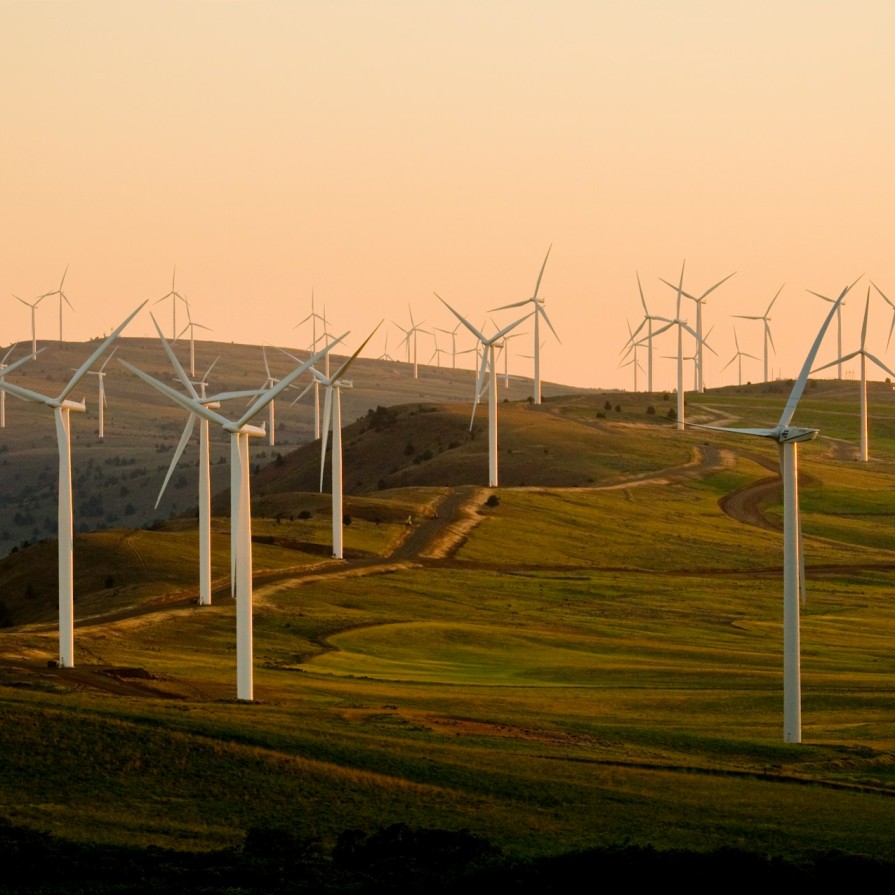
The Offshore Wind Energy Debate in the United States: Policy Conflicts and the Future of the Green Industry
The United States offshore wind industry is currently navigating a period of significant political turbulence, marked by substantial policy shifts between the Biden and Trump administrations. This debate not only shapes the future of the renewable energy sector but also reflects deeper conflicts regarding the nation's green energy transition strategy.
Policy Shifts: From Biden's Support to Trump's Opposition
Under the ambitious framework of green transition plans, the previous Biden administration had strongly supported offshore wind energy through both policy initiatives and federal funding. However, since taking office, the Trump administration has pivoted America's wind energy objectives, with President Trump publicly opposing offshore wind development.
On his first day in office, President Trump signed an executive order aimed at halting offshore wind projects under development, marking a significant reversal in national energy policy. This action has created uncertainty for an industry that had been experiencing rapid growth and substantial investment.
Impact on the Industry and Stalled Projects
This policy shift has had severe consequences for the renewable energy industry. Since April, the Department of Defense has suspended all military assessments of proposed wind farms—assessments conducted to ensure that turbines don't interfere with local radar or flight paths.
Most new wind projects must undergo these evaluations, and without them, developments face significant delays. In June, a coalition of renewable energy groups filed a lawsuit in the U.S. District Court for the District of Oregon, demanding that the Department of Defense continue assessments for onshore wind projects to end development delays caused by the Trump administration's opposition to wind energy.
| Statistics on Stalled Wind Projects | Data |
|---|---|
| Number of stalled projects | 106 projects |
| Number of states affected | 21 states |
| Potential total investment | $47 billion |
The coalition has informed the U.S. District Court for the District of Oregon that these delays have resulted in "a complete halt to all wind energy development in the United States" in a lawsuit filed against the Department of Defense in June.
Industry Response and Stakeholder Positions
Jason Grumet, CEO of the American Clean Power Association, stated: "America's wind industry is ready to meet the growing energy demands. We need the U.S. government to implement normal assessment and permitting processes to ensure electricity supply for American homes and businesses."
Meanwhile, in June, the U.S. District Court for the District of Columbia ruled that guidance issued by the U.S. Department of Treasury last August, which removed the ability of wind and solar projects to qualify for certain tax credits by demonstrating that 5% or more of a project's total costs had been spent, should be reversed. Judge Kollar-Kotelly argued that the Trump administration had failed to meet the "arbitrary and capricious" standard of the "Administrative Procedure Act" when establishing this guidance.
The Future of Wind Energy in the United States
Recent legal victories for the wind industry may encourage the Trump administration to abandon its fight against wind energy, as restricting wind development is becoming increasingly controversial and costly. Over the past few months, several federal judges have ruled in favor of wind energy companies.
Simultaneously, lawmakers and consumers are increasingly pressuring the Trump administration to support diversification of America's energy supply amid rising fossil fuel prices and global shortages. Changes in energy policy not only impact the industry but also national energy security and climate commitments.
Conclusion
The future of offshore wind in the United States remains uncertain as the Trump administration continues to face legal and political challenges. The industry has demonstrated resilience through successful lawsuits, but long-term stability depends on achieving political consensus and a sustained commitment to renewable energy.
This debate transcends energy policy alone, reflecting a broader shift in American political and economic thinking—where short-term and long-term economic interests are being reassessed in the context of climate change and increasing energy demands.