China Cuts Fuel Prices Amid Middle East Tensions, Bringing Retail Costs Down to Pre-Conflict Levels
In the escalating geopolitical landscape of the Middle East, China has implemented a significant policy adjustment by reducing retail fuel prices to levels not seen since before the recent regional conflicts. This strategic move comes amid growing concerns about global energy markets and their economic implications, particularly for the world's largest energy consumer.
Current Fuel Market Situation in China
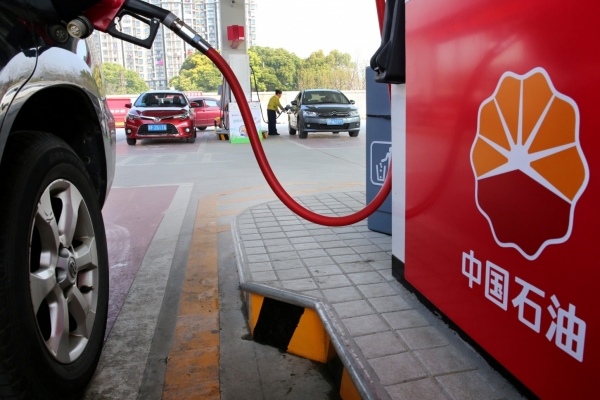
On July 4th, China's government announced a substantial reduction in retail fuel prices, effectively bringing gasoline and diesel costs down to approximately the same levels as they were before the intensification of conflicts in the Middle East. This decision reflects China's proactive approach to managing economic stability in the face of international volatility and demonstrates the government's commitment to supporting both consumers and businesses during uncertain times.
The timing of this price reduction coincides with increased tensions in the Middle East, particularly in the Strait of Hormuz, a critical chokepoint for global oil supplies. With approximately 20% of the world's oil passing through this strategic waterway, any disruption can have immediate and far-reaching consequences for global energy markets.
Detailed Price Reduction Analysis
| Fuel Type | Previous Price (CNY/liter) | New Price (CNY/liter) | Price Change | Percentage Reduction |
|---|---|---|---|---|
| Gasoline (92 RON) | 10.00 | 9.50 | -0.50 | -5.0% |
| Gasoline (95 RON) | 10.60 | 10.10 | -0.50 | -4.7% |
| Diesel (0#) | 9.20 | 8.90 | -0.30 | -3.3% |
| Diesel (-10#) | 9.70 | 9.40 | -0.30 | -3.1% |
The price adjustment represents the first significant reduction in China's fuel costs since the escalation of Middle East tensions began earlier this year. The National Development and Reform Commission (NDRC), China's top economic planning agency, cited "changes in international market prices" as the primary reason for the adjustment.
Strategic Rationale Behind the Price Reduction
China's decision to lower fuel prices stems from multiple interconnected factors that reflect both immediate economic concerns and longer-term strategic considerations:
- Global Market Volatility: International crude oil prices have experienced significant fluctuations due to the ongoing conflicts in the Middle East. Brent crude, which serves as a global benchmark, has swung dramatically in recent weeks, creating uncertainty for major importers like China.
- Economic Stabilization Measures: As China's economy continues to recover from post-pandemic challenges, the government is implementing various measures to support growth. Lower fuel prices help reduce transportation costs across multiple industries, from manufacturing to logistics, ultimately contributing to lower consumer prices.
- Inflation Control: Fuel prices directly impact inflation rates. By reducing these costs, China's central bank has more flexibility to maintain monetary policy without worrying about inflationary pressures from energy costs.
- Consumer Support: The reduction provides immediate relief to Chinese consumers, particularly those in rural areas where transportation costs represent a significant portion of household expenses. This aligns with the government's broader goal of reducing income inequality and improving living standards.
- Strategic Reserves Management: The price cut may also reflect China's strategic approach to managing its strategic petroleum reserves. By maintaining lower retail prices while potentially increasing imports at favorable market rates, China can build up reserves without immediately passing costs to consumers.
Impact on Various Economic Sectors
The fuel price reduction will have differentiated impacts across China's economy:
| Economic Sector | Expected Impact |
|---|
Potential Long-term Implications
While the immediate benefits of reduced fuel prices are clear, several long-term implications warrant consideration:
First, if global oil prices continue to rise due to Middle East tensions, China may face increasing pressure to maintain artificially low domestic prices. This could create significant financial burdens for state-owned energy companies and potentially lead to underinvestment in domestic energy infrastructure.
Second, the price reduction may affect China's energy transition strategy. Lower fossil fuel prices could temporarily reduce the economic incentive for consumers and businesses to adopt alternative energy sources or improve energy efficiency, potentially complicating China's long-term carbon reduction goals.
Third, this policy decision could influence China's foreign policy approach to the Middle East. As the world's largest oil importer, China has traditionally pursued a balanced diplomatic approach in the region. However, prolonged instability could force China to take a more active role in mediating conflicts to protect its economic interests.
Expert Analysis and Market Reactions
Energy analysts have offered mixed assessments of China's fuel price reduction policy. Some view it as a necessary measure to protect economic growth during a period of international uncertainty. Others caution that the policy may create market distortions and undermine the profitability of domestic energy producers.
Market reactions have been generally positive, with Chinese transportation stocks seeing modest gains following the announcement. However, shares of major state-owned oil companies such as Sinopec and PetroChina experienced slight declines, reflecting concerns about reduced profit margins.
International Context and Comparisons
China's fuel pricing mechanism differs significantly from that of many Western countries. While markets like the United States and European nations allow prices to fluctuate more freely based on global market conditions, China maintains a more controlled system where the government actively regulates retail prices to balance economic and social considerations.
Comparatively, China's current fuel prices remain significantly lower than those in many developed nations. For example, gasoline prices in China are approximately 30-40% lower than in the European Union and about 20% lower than in the United States, even after accounting for the recent reduction.
Future Outlook and Policy Considerations
Looking ahead, China's approach to fuel pricing will likely continue to evolve based on international market conditions and domestic economic priorities. The government may implement more frequent adjustments to better reflect global price changes while maintaining stability for consumers and businesses.
Energy experts suggest that China may also accelerate investments in alternative energy sources to reduce its dependence on imported oil. This could include expanding renewable energy capacity, developing more efficient transportation systems, and increasing research into next-generation battery technologies.
Conclusion
China's decision to reduce retail fuel prices to pre-conflict levels represents a calculated economic strategy aimed at maintaining stability amid international uncertainty. While the policy provides immediate relief to consumers and businesses, it also raises questions about long-term sustainability and potential market distortions.
As the geopolitical situation in the Middle East continues to evolve, China's approach to energy pricing will remain a critical factor in both domestic economic management and international energy markets. The government's ability to balance competing economic, social, and strategic considerations will ultimately determine the success of this and future energy policies.
Observers will be watching closely to see how this policy develops in response to changing global conditions and what implications it may have for China's broader economic strategy and international relations.