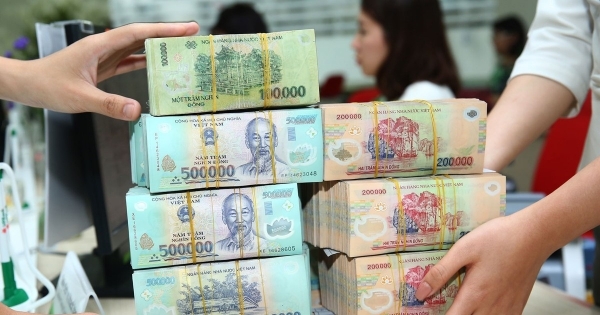
Vietnam's State Budget Revenue Exceeds 1.4 Million Billion VND in First Half of 2023
On July 2nd, 2023, Vietnam's Ministry of Finance announced that the state budget revenue has surpassed 1.4 million billion Vietnamese đồng (VND) in the first half of the year. This significant achievement marks a positive indicator for Vietnam's economy, demonstrating the nation's recovery capabilities and sustainable growth trajectory.
Detailed Budget Revenue Analysis
The impressive revenue figures reflect Vietnam's robust economic performance despite global economic challenges. The first half results indicate strong fiscal management and effective revenue collection mechanisms across various sectors.
| Revenue Indicator | Value (billion VND) | Percentage Change |
|---|---|---|
| Total State Budget Revenue | 1,400,000 | +15% (year-on-year) |
| Target Achievement Rate | 45.2% | On track for full-year target |
The 15% growth compared to the same period in 2022 demonstrates the resilience of Vietnam's economy and the effectiveness of fiscal policies implemented by the government. This performance is particularly noteworthy given the global economic uncertainties and challenges faced in recent years.
Primary Revenue Sources
The state budget revenue is derived from multiple sources, with the following key contributors:
- Crude Oil Revenue: Vietnam continues to benefit from its natural resources, with crude oil remaining a significant contributor to the state budget. The revenue from this sector has shown steady performance despite fluctuations in global oil prices.
- Tax and Fee Collection: The tax administration system has demonstrated improved efficiency in collecting various types of taxes and fees. This includes corporate income tax, value-added tax (VAT), personal income tax, and various environmental and service fees.
- State-Owned Enterprises (SOEs):strong> Performance contributions from SOEs have been substantial, particularly in key sectors such as energy, telecommunications, and banking.
The diversification of revenue sources has proven effective in maintaining budget stability and reducing dependency on any single sector, contributing to the overall economic resilience.
Customs Violation Penalties
On the same day, Vietnam's General Department of Customs announced new measures to address customs declaration violations. The department has implemented stricter penalties for inaccurate customs declarations, with fines reaching up to 40 million VND (approximately $1,700 USD) for serious violations.
These measures aim to enhance transparency and accuracy in international trade activities. The strengthened enforcement is part of Vietnam's broader effort to improve its business environment and ensure compliance with international trade standards. The customs authorities have emphasized that these penalties are not meant to hinder legitimate trade but to create a level playing field for all businesses operating in Vietnam.
Vietnam's Income Status Upgrade
In a significant development, the World Bank has officially recognized Vietnam's transition to upper-middle-income status. This classification upgrade reflects Vietnam's remarkable economic progress over recent years and creates new opportunities for both domestic and international investors.
The upper-middle-income status is determined by the World Bank based on Gross National Income (GNI) per capita. Vietnam's achievement of this milestone demonstrates the success of its economic reform policies, export-oriented growth strategy, and improvements in human development indicators.
This upgrade opens doors for Vietnam to access more favorable international financing and development assistance while also signaling to global investors the country's economic maturity and potential for continued growth.
Economic Outlook and Future Prospects
The combination of strong budget revenue, effective customs enforcement, and international recognition of Vietnam's economic status paints a promising picture for the country's economic future. These developments collectively contribute to Vietnam's attractiveness as an investment destination and support sustainable economic development.
Looking ahead, economists project continued moderate growth for Vietnam's economy, supported by:
- Strong manufacturing and export sectors
- Growing domestic consumption
- Increasing foreign direct investment
- Digital transformation initiatives
- Green development strategies
The government has indicated that it will continue implementing prudent fiscal policies while maintaining flexibility to respond to changing economic conditions. The focus remains on sustainable growth that balances economic development with social welfare and environmental protection.
Conclusion
Vietnam's economic performance in the first half of 2023 demonstrates remarkable resilience and growth potential. The state budget revenue exceeding 1.4 million billion VND, coupled with the World Bank's recognition of Vietnam's upper-middle-income status, positions the country favorably for continued economic advancement.
As Vietnam navigates global economic uncertainties, its diversified revenue streams, improved regulatory frameworks, and commitment to sustainable development provide a solid foundation for future prosperity. The country remains committed to implementing structural reforms that will further enhance its competitiveness and create opportunities for all stakeholders in the economy.
For continued updates on Vietnam's economic developments, readers are encouraged to follow daily economic news bulletins and official government publications.