Enhancing Safety Management in Oil and Gas Operations: Lessons from Industry Leaders
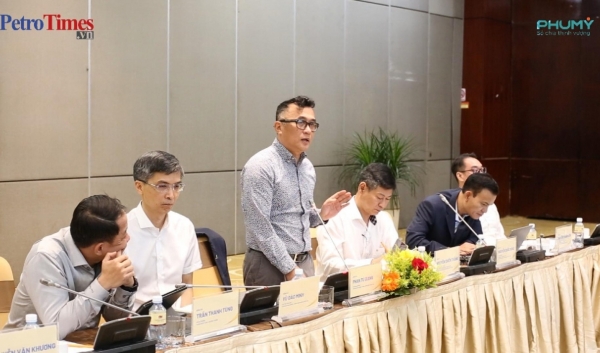
The oil and gas industry remains one of the most critical sectors for global energy supply, yet it operates under some of the most hazardous conditions worldwide. Recognizing these challenges, Petrovietnam recently organized a landmark conference titled "Enhancing the Effectiveness of Safety Management Under Continuous Production and Business Operations Conditions." This high-profile event brought together safety experts, managers, and industry leaders from member units to exchange valuable insights, share practical experiences, and propose effective safety governance solutions for one of the world's highest-risk industries.
The Unique Challenges of Safety Management in Oil and Gas
The oil and gas industry presents unparalleled safety challenges due to the complexity of its operations across the entire value chain—from exploration and extraction to transportation and refining. Unlike most industrial sectors, the potential consequences of safety failures in this industry can be catastrophic, resulting in loss of life, environmental disasters, and substantial economic damage.
According to the World Oil Conference (WOC) safety report, the rate of serious accidents in the oil and gas industry is 3-5 times higher than in other manufacturing sectors. This stark statistic underscores why oil and gas companies must implement the most stringent safety management standards and practices. The industry operates in extreme environments, handles highly flammable materials, manages high-pressure equipment, and often conducts operations in remote locations, all of which contribute to its inherently hazardous nature.
Key Focus Areas of the Conference
The Petrovietnam conference strategically addressed critical safety challenges facing the industry today. The discussions centered on five key priority areas that represent the most significant safety concerns in modern oil and gas operations:
- Safety Management in Continuous Operations: Implementing robust safety protocols while maintaining uninterrupted production cycles
- Digital Technology Applications for Safety Monitoring: Leveraging cutting-edge technologies for real-time risk detection and mitigation
- Human Factors in Risk Prevention: Addressing the critical role of human behavior and decision-making in accident prevention
- Safety Management in New and Existing Projects: Balancing innovation with established safety practices across different project phases
- Crisis Management and Emergency Response: Developing effective protocols for handling unexpected incidents and emergencies
Practical Insights from Real-World Oil and Gas Projects
One of the most valuable aspects of the conference was the sharing of practical experiences from actual oil and gas projects both domestically and internationally. These case studies provided concrete examples of successful safety implementations and lessons learned from incidents and near-misses.
Key highlights from these shared experiences included:
- Safety Culture Development: Member units of Petrovietnam have successfully implemented a "Safety as Culture" model, transforming compliance with safety regulations into natural habits for all employees. This cultural shift has demonstrated that when safety becomes an intrinsic value rather than a set of rules, incident rates decrease significantly.
- Monitoring Technology Implementation: The deployment of remote monitoring systems using IoT and AI technologies has proven highly effective in detecting early abnormalities in equipment operation, thereby minimizing the risk of incidents. These systems provide continuous data analysis, enabling predictive maintenance and intervention before failures occur.
- Competency Enhancement Training: Practical simulation programs designed to replicate dangerous scenarios have helped employees develop better reflexes and decision-making skills when facing real-life emergencies. This hands-on approach complements traditional safety training by providing experiential learning in controlled environments.
- Project Risk Management: Detailed risk assessment processes applied from the design phase of new projects have proven effective in preventing potential hazards before they materialize. This proactive approach identifies and mitigates risks early in the project lifecycle, reducing the likelihood of costly rework or incidents during operations.
Comprehensive Safety Management Solutions
Building on the discussions and experiences shared at the conference, industry experts proposed a comprehensive framework for safety management tailored to the Vietnamese oil and gas sector. These solutions address multiple dimensions of safety management simultaneously, creating a holistic approach to risk mitigation.
| Dimension | Proposed Solution | Expected Impact |
|---|---|---|
| Human Resource Management | Implementation of regular safety competency assessment programs | 30% reduction in human-error-related incidents |
| Technology Integration | Deployment of intelligent monitoring systems with predictive analytics | Early detection of 90% of potential risks |
| Process Optimization | Simplification of procedures while strengthening control mechanisms | 20% increase in operational efficiency while maintaining safety standards |
| Cultural Development | Regular safety awareness campaigns and peer recognition programs | 75% employee compliance with safety protocols |
Future Trends in Oil and Gas Safety Management
The conference also provided valuable insights into emerging trends that will shape the future of safety management in the oil and gas industry. These trends reflect the industry's evolution toward more integrated, technology-driven, and comprehensive approaches to safety.
- Digital Transformation: The integration of Artificial Intelligence, Big Data analytics, and IoT technologies is revolutionizing safety management by enabling predictive risk assessment and real-time monitoring. These technologies can identify patterns and anomalies that might escape human observation, allowing for proactive intervention before incidents occur.
- Green Safety: There is an increasing emphasis on combining safety objectives with environmental protection. This approach recognizes that environmental incidents often have safety implications and that sustainable practices can contribute to safer operations. Companies are developing safety protocols that specifically address environmental risks and minimize ecological impact.
- Holistic Safety: Modern safety management is expanding beyond traditional workplace safety to include cybersecurity, information security, and community safety. This comprehensive approach recognizes that modern oil and gas operations face diverse threats that require integrated solutions.
- International Collaboration: There is growing recognition of the value of learning from global best practices. Vietnamese oil and gas companies are increasingly partnering with international industry leaders to adapt proven safety frameworks to local contexts, accelerating safety improvements through knowledge transfer.
Conference Outcomes and Industry Implications
The "Enhancing the Effectiveness of Safety Management Under Continuous Production and Business Operations Conditions" conference achieved significant success in multiple dimensions. Beyond knowledge sharing, the event fostered stronger collaboration between Petrovietnam and its member units, creating a unified approach to safety management across the organization.
Key outcomes of the conference included:
- Development of a standardized safety management framework applicable across different Petrovietnam operations
- Creation of a knowledge-sharing platform for continuous improvement of safety practices
- Establishment of clear metrics for measuring safety performance and identifying areas for improvement
- Formation of cross-functional teams to address specific safety challenges in different operational contexts
Conclusion: Toward a Zero-Harm Future
The oil and gas industry will always operate in inherently hazardous environments, but effective safety management can significantly reduce risks and protect people, assets, and the environment. The Petrovietnam conference demonstrated that safety management is not merely a compliance requirement but a critical business imperative that drives operational excellence and sustainable growth.
As the industry moves forward, the integration of technological innovation, human factors management, and robust safety cultures will be essential to achieving the ultimate goal of "Zero Harm" – where no one is injured, no assets are damaged, and no environmental incidents occur. The conference highlighted that achieving this vision requires commitment at all levels of the organization, from executive leadership to frontline workers.
For the Vietnamese oil and gas sector, the insights and solutions shared at this conference provide a roadmap for transforming safety management from a reactive compliance function to a proactive value driver. By implementing these recommendations, Petrovietnam and its member units can enhance operational resilience, improve efficiency, and establish new standards of excellence in safety management.
In an industry where the stakes are exceptionally high, continuous improvement in safety management is not just an option – it is the only sustainable path forward. The Petrovietnam conference represents a significant step in this journey, positioning the Vietnamese oil and gas industry as a leader in safety excellence in the global energy sector.