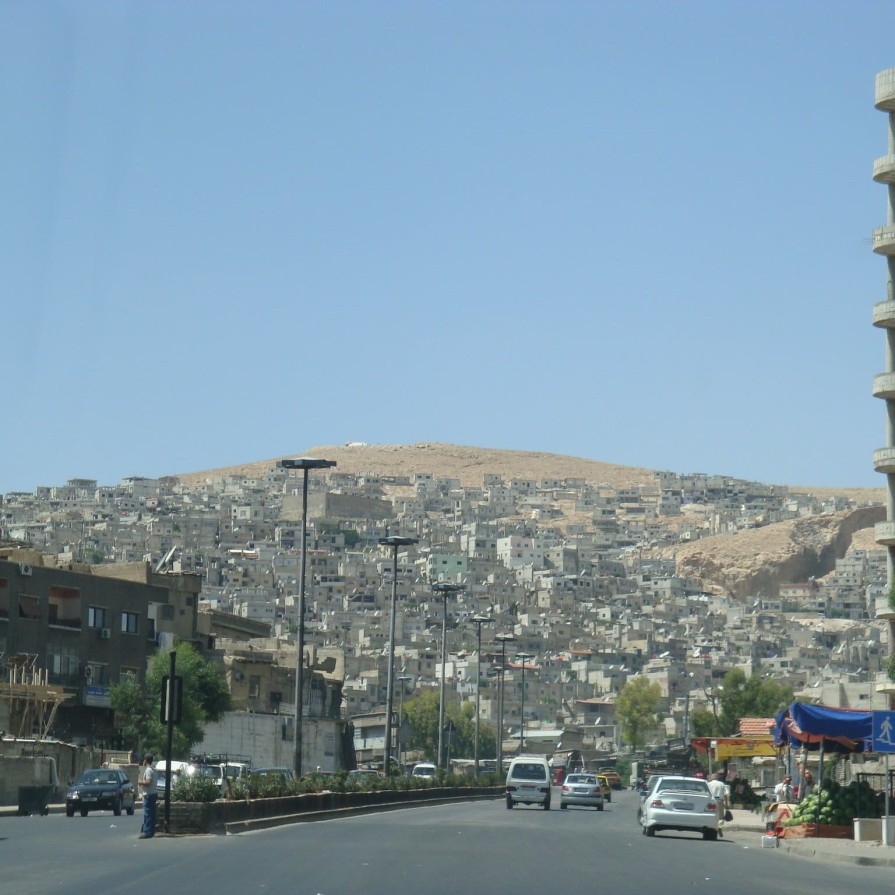
Energy Cooperation Between US, UK and Syria: New Strategy in the Middle East
A landmark agreement signed last week between the Syrian Petroleum Company (SPC), US-based ConocoPhillips, and UK-based Novaterra ConocoPhillips regarding the development of new gas fields and expansion of production at existing sites marks a significant step in the strategic approach of Washington and London to shape post-Assad Syria. This collaboration represents not merely a business venture but a geopolitical maneuver with profound implications for the Middle Eastern energy landscape and regional power dynamics.
Strategic Shift in Syria's Future
Instead of replicating the overt reconstruction models previously implemented in Iraq, both nations have opted for a more sophisticated approach. This strategy involves a carefully calibrated architecture where powerful Arab nations, led by Saudi Arabia and the United Arab Emirates (UAE), maintain prominent visible roles, while Western corporations and strategic planners operate behind the scenes. This indirect approach allows for greater flexibility and deniability while still ensuring Western influence over Syria's economic future.
The collaboration comes at a critical juncture in Syrian history, as the country emerges from years of conflict and begins the complex process of reconstruction. By positioning energy companies at the forefront of this transition, the US and UK are establishing economic footholds that could translate into long-term political influence.
Geopolitical Objectives in the Region
This approach aligns with broader American efforts to re-establish Western influence in the Middle East and revive the Arab-Israel normalization framework that former President Donald Trump initially shaped during his first term. The strategic objective is to limit the expanding strategic space that Russia and China have cultivated in the region over the past decade.
Energy cooperation serves as a critical tool in this geopolitical chess match. By controlling Syria's energy infrastructure and development, Western powers can effectively influence the country's economic trajectory, which in turn shapes its political alignment. The agreement with ConocoPhillips and Novaterra represents the initial phase of this comprehensive strategy.
Syria's Energy Sector: Before and After Civil War
| Period | Crude Oil Production (bpd) | Natural Gas Production (mcm/d) | Crude Oil Reserves (billion barrels) | Natural Gas Reserves (Tcf) |
|---|---|---|---|---|
| Pre-Civil War (2011) | 600,000 | 21.9 - 30 | 2.5 | 8.5 |
| Current | 400,000 | 7 - 7.6 | 2.5 | 8.5 |
Before the civil war erupted in March 2011, Syria stood as a significant regional power in oil production, with output reaching approximately 400,000 barrels per day from confirmed oil fields. However, Syria's natural gas reserves were even more substantial, with production ranging between 21.9-30 million cubic meters per day and proven reserves amounting to 8.5 trillion cubic feet.
The conflict devastated Syria's energy infrastructure, leading to a decline in production capabilities and damaging critical facilities. Despite possessing substantial proven reserves, the country's ability to extract and monetize these resources has been severely hampered by years of conflict, international sanctions, and the destruction of infrastructure.
Regional Dynamics: Russia and Gulf Nations
During its years of supporting Bashar al-Assad, Russia swiftly moved to capitalize on Syria's energy resources. Russian energy giant Stroytransgaz began operations in the South-Central Gas Area in 2009, and by 2011, this development had increased Syria's natural gas production by approximately 40%. At its peak, oil and gas exports constituted roughly a quarter of the Syrian government's revenue.
Concurrently, Gulf nations have emerged as key players in Syria's energy reconstruction. With significant financial resources and technical expertise, countries like Saudi Arabia and the UAE are positioning themselves to influence Syria's economic future. Dana Gas from the UAE has already signed a preliminary agreement with Syria's state oil company regarding the development of natural gas fields, signaling the growing involvement of Gulf capital in Syria's energy sector.
Key Players in Syria's Energy Reconstruction:
- United States: ConocoPhillips leading development efforts with political backing
- United Kingdom: Novaterra ConocoPhillips providing technical expertise
- United Arab Emirates: Dana Gas exploring natural field developments
- Russia: Maintaining existing infrastructure and influence
- Saudi Arabia: Financial backing and regional coordination
Future Outlook: Reshaping Syria's Strategic Landscape
The cooperation agreements between ConocoPhillips, Novaterra, and SPC, coupled with the surge in Western and Gulf-backed energy projects, represent more than a simple industrial restart. They constitute a deliberate effort to redraw Syria's strategic orientation amid a volatile regional context.
By positioning American and British companies at the center of Syria's post-Assad reconstruction, Washington and London aim to secure decisive influence over the country's political and economic structures. This influence extends beyond immediate economic benefits to shape long-term alliances and security arrangements.
Gulf-led initiatives will operate in parallel with Western efforts, creating a complex web of economic and political relationships that could define Syria's future trajectory. This multi-faceted approach acknowledges the reality that no single power can dominate Syria's reconstruction unilaterally, necessitating a coalition of interests that align with Western strategic goals.
Broader Implications for Middle East Strategy
The energy cooperation framework emerging in Syria reflects a broader strategic realignment in the Middle East. As the region transitions from conflict to reconstruction, energy resources are becoming increasingly important tools of geopolitical influence and economic development.
The Syrian model—combining Western technical expertise with Gulf financial resources and regional political support—could serve as a template for future engagements in other conflict-affected regions. This approach balances the need for reconstruction with the imperative of maintaining Western influence in strategically important areas.
As these initiatives develop, the international community will be closely watching how the balance of power evolves in Syria and whether this new cooperative framework can deliver sustainable economic development while advancing Western geopolitical objectives in an increasingly complex regional landscape.