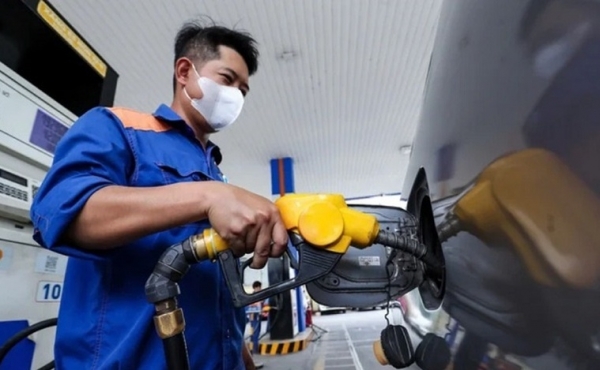
Extending Tax Incentives for Oil and Gasoline Products Until September 30, 2026
On June 30, 2026, the Vietnamese government issued Resolution No. 34/2026/NQ-CP extending the application of preferential import tax, environmental protection tax, and value-added tax (VAT) exemptions for oil and gasoline products, raw materials for oil production, and aviation fuel.
This decision represents a timely measure by the government amid significant fluctuations in global oil prices, aimed at supporting production, business activities, and stabilizing the domestic market.
Detailed Analysis of Resolution No. 34/2026/NQ-CP
The resolution extends tax incentives for oil and gasoline products, raw materials for oil production, and aviation fuel until September 30, 2026. The resolution takes effect immediately from the date of issuance.
Specifically, the resolution stipulates the exemption of preferential import tax for imported oil and gasoline products, raw materials for oil production, and aviation fuel. Concurrently, it maintains the 0% tax rate for environmental protection tax and VAT on these products.
Tax Categories Extended
The following tax categories have been extended:
- Preferential import tax
- Environmental protection tax
- Value-added tax (VAT)
All three tax categories will be applied at a 0% rate for oil and gasoline products, raw materials for oil production, and aviation fuel until September 30, 2026.
Rationale for Extending Tax Incentives
The government's decision to extend tax incentives is based on several important considerations:
- Domestic Market Stability: With continuously fluctuating global oil prices, maintaining the 0% tax rate helps stabilize retail fuel prices in Vietnam.
- Production and Business Support: Companies in the oil, aviation, and transportation sectors will experience reduced input costs, thereby supporting their production and business operations.
- Inflation Control: Keeping fuel prices stable contributes to inflation control and ensures social welfare.
- Economic Recovery Support: Amid ongoing economic challenges, reducing fuel taxes provides practical support for economic recovery.
Impact on the Oil and Gas Market
The extension of tax incentives for oil and gasoline products is expected to have several positive impacts on the market:
| Stakeholder | Impact | Level of Impact |
|---|---|---|
| Consumers | Reduced fuel usage costs | High |
| Manufacturing Companies | Lower production costs | High |
| Transportation Businesses | Increased profits, reduced costs | High |
| Aviation Industry | Reduced aviation fuel costs | Moderate |
| State Budget | Reduced revenue source | Moderate |
Expert Analysis
Economic experts suggest that while extending fuel tax incentives is necessary in the short term, a clear long-term roadmap is needed.
Mr. Nguyen Van A, a tax policy expert at the Tax Policy Research Institute, commented: "Maintaining the 0% tax rate on fuel is a necessary short-term measure to support the economy. However, in the long term, the government needs to reconsider this policy to ensure budget revenue and encourage energy efficiency."
Ms. Thi B. Tran, an energy specialist, further analyzed: "Extending fuel tax incentives will help stabilize prices, but potential negative impacts such as increased fuel consumption and discouragement of transition to clean energy should also be considered."
Historical Changes in Fuel Tax Policy
In recent years, the Vietnamese government has adjusted fuel tax policies multiple times to align with economic conditions:
| Period | Policy Applied | VAT Rate | Environmental Protection Tax Rate |
|---|---|---|---|
| Pre-2020 | Standard tax rates applied | 8-10% | 1,000-4,000 VND/liter |
| 2020-2022 | Reduced environmental protection tax | 8% | 800-3,000 VND/liter |
| 2022-2024 | Temporary 0% tax rate applied | 0% | 0% |
| 2024-2026 | Extended 0% tax rate | 0% | 0% |
| From October 1, 2026 | Expected policy adjustment | To be determined | To be determined |
Future Outlook
According to plans, after September 30, 2026, the government will reassess fuel tax policies based on socio-economic conditions and the global energy market.
It is expected that the government will implement a gradual tax increase schedule to avoid market shocks while encouraging energy efficiency and transition to cleaner fuel alternatives.
Conclusion
The extension of tax incentives for oil and gasoline products until September 30, 2026 is a timely and necessary decision by the government in the current context. This policy will contribute to market stability, support production and business activities, and ensure social welfare.
However, in the long term, the government needs to establish a clear roadmap for policy adjustments to balance economic support with budget revenue assurance, while simultaneously promoting energy efficiency and sustainability.
Continuously monitoring market developments and adjusting policies accordingly remains essential to achieve sustainable socio-economic development goals.
#fuel_tax #tax_incentives #market_stability #vietnam_economy #government_policy