Time-of-Use Electricity Pricing: Global Applications and Vietnam's Approach
In the context of rising electricity demand, supply challenges, and increasingly extreme weather patterns, the implementation of time-of-use electricity pricing, also known as TOU (Time of Use) tariff structures, has become an effective solution adopted by many countries worldwide. In Vietnam, the Ministry of Industry and Trade is proposing to implement this method for household customers in the future to adjust electricity usage patterns, reduce pressure on supply investment, and promote more efficient electricity consumption.
1. Understanding Time-of-Use (TOU) Electricity Pricing
Time-of-Use electricity pricing is a method of electricity pricing based on the time of consumption during the day. Unlike fixed electricity rates, TOU divides the day into different time periods with separate electricity rates, typically including:
- Peak hours: The period of highest electricity demand, with the highest electricity prices
- Standard hours: The period of average electricity demand, with moderate electricity prices
- Off-peak hours: The period of lowest electricity demand, with the lowest electricity prices
This approach aims to encourage consumers to shift electricity-intensive appliance usage from peak hours to off-peak hours, thereby reducing the load on the power system and optimizing supply resources.
2. Global Implementation of Time-of-Use Pricing
Many countries worldwide have successfully implemented the TOU model with different approaches:
2.1. Europe
Europe is a leading region in TOU implementation, particularly following the energy crisis:
- Spain: Implements 3 time frames with price differences of up to 4 times between peak and off-peak hours
- France: Deploys TOU combined with special packages for users installing energy storage systems
- Germany: Applies TOU to households with solar panel and battery storage systems
2.2. North America
| Country | Peak Hours | Off-Peak Hours | Price Difference |
|---|---|---|---|
| United States | 12:00-18:00 (summer) 16:00-20:00 (winter) | 22:00-6:00 | 2-3 times |
| Canada | 7:00-11:00, 17:00-20:00 | 22:00-7:00 | 2-4 times |
2.3. Asia
- Thailand: Implements TOU for industrial and commercial sectors with peak-hour electricity prices 2-3 times higher
- Singapore: Deploys TOU combined with smart systems to encourage electricity conservation
- South Korea: Applies TOU with detailed division by season and day of the week
3. Context for Implementation in Vietnam
In Vietnam, the proposal to implement time-of-use electricity pricing stems from multiple factors:
- Increasing electricity demand, especially during hot summer months
- Significant pressure on investment in new power plants
- Impact of climate change leading to surging demand for air conditioning
- Low efficiency in electricity usage with persistent waste
According to the Ministry of Industry and Trade, implementing TOU will help:
- Reduce pressure on the power system during peak hours
- Enable more efficient investment in supply and grid infrastructure
- Enhance public awareness of electricity conservation
- Promote the development of energy storage solutions
4. Implementation Plan in Vietnam
According to the Ministry of Industry and Trade's proposal, the TOU implementation plan in Vietnam will proceed in phases:
4.1. Pilot Phase (2024-2025)
- Testing in selected urban areas
- Application to volunteer households
- Provision of monitoring tools and energy management applications
4.2. Expansion Phase (2026-2028)
- Expansion to major cities and industrial zones
- Commencement of mandatory application for residential customers
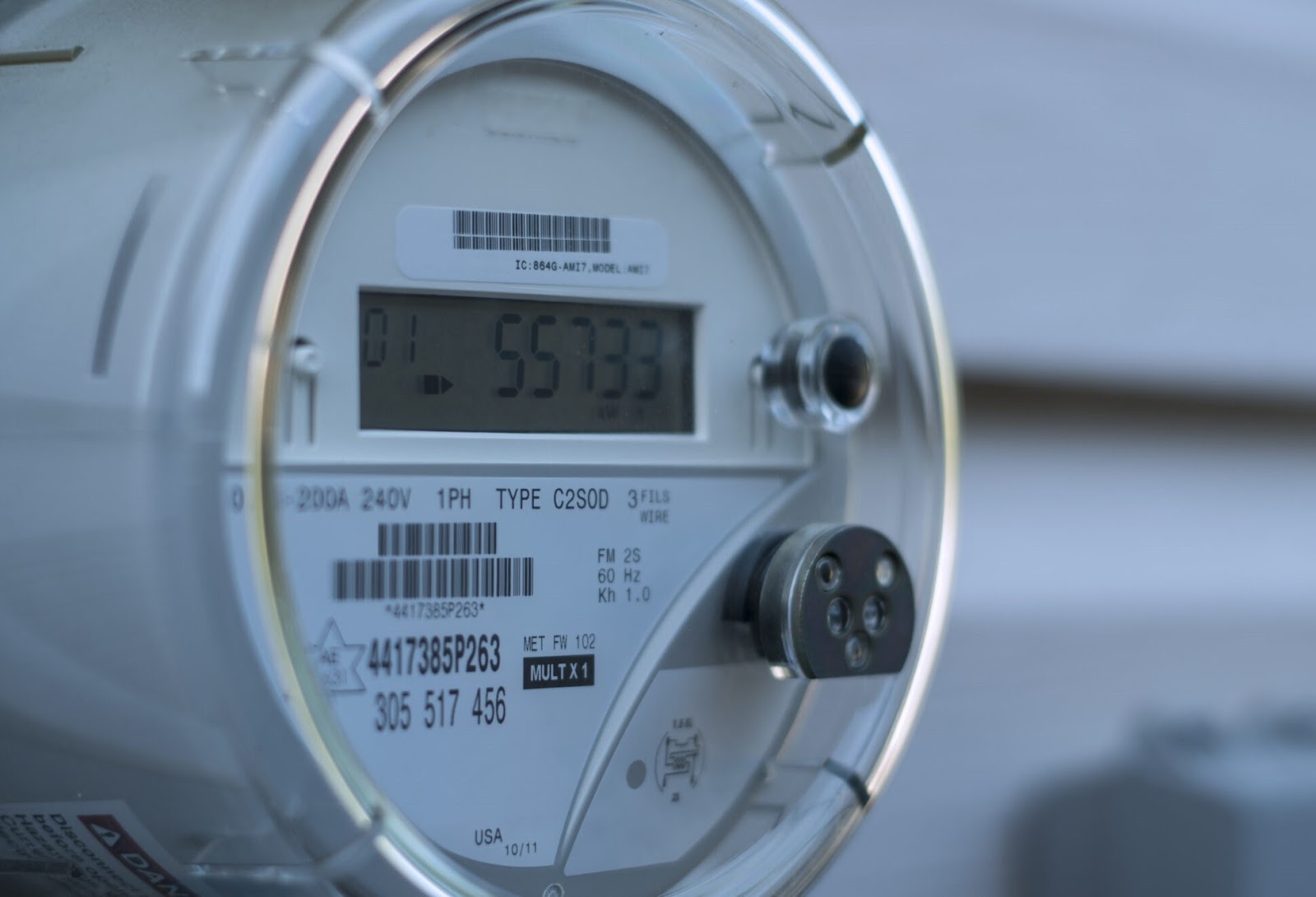
- Development of smart metering infrastructure
4.3. Comprehensive Phase (2029 onwards)
- Nationwide implementation
- Integration with smart grid systems
- Development of value-added services
5. Expected Electricity Pricing in Vietnam
According to the draft proposal, TOU rates in Vietnam may be divided as follows:
| Time Period | Electricity Rate (VND/kWh) | Relative Price Level |
|---|---|---|
| Peak Hours (9:00-11:00, 17:00-20:00) (All day during summer) | 3,000 - 3,500 | 150-180% |
| Standard Hours (6:00-9:00, 11:00-17:00, 20:00-22:00) | 2,000 - 2,500 | 100-125% |
| Off-Peak Hours (22:00-6:00) | 1,200 - 1,500 | 60-75% |
6. Impact on Consumers
The implementation of time-of-use electricity pricing will have various impacts on people's lives:
6.1. Positive Impacts
- Reduced electricity costs with proper adjustment of usage patterns
- Enhanced awareness of energy conservation
- Incentives to use energy-efficient appliances
- Opportunities for developing home energy storage solutions
6.2. Challenges
- Need to change electricity usage habits
- Difficulties for elderly people and children
- Need for additional investment in timers and smart controls
- Risk of increased costs if adjustments are not made promptly
7. Support Solutions for Consumers
To ensure successful TOU implementation, the Ministry of Industry and Trade proposes several support measures:
- Communication campaigns to raise awareness about TOU benefits
- Technical support for installing timers and smart controls
- Provision of mobile applications for monitoring and managing electricity usage
- Support packages for low-income and disadvantaged households
- Incentive policies for switching to energy-efficient appliances
8. Conclusion
Time-of-use electricity pricing is an inevitable trend in modern energy management, helping to optimize supply resources, reduce waste, and promote efficient energy use. While implementing TOU in Vietnam faces numerous challenges, it will bring long-term benefits to both the national power system and consumers.
Transitioning to TOU is not merely a change in electricity pricing but a shift in thinking and energy consumption habits. With thorough preparation and appropriate support, Vietnam can successfully implement this model, contributing to energy security and sustainable development.
#TimeOfUseElectricity #TOUElectricity #ElectricityPricing #EnergyConservation #SmartEnergy #MinistryOfIndustryAndTrade