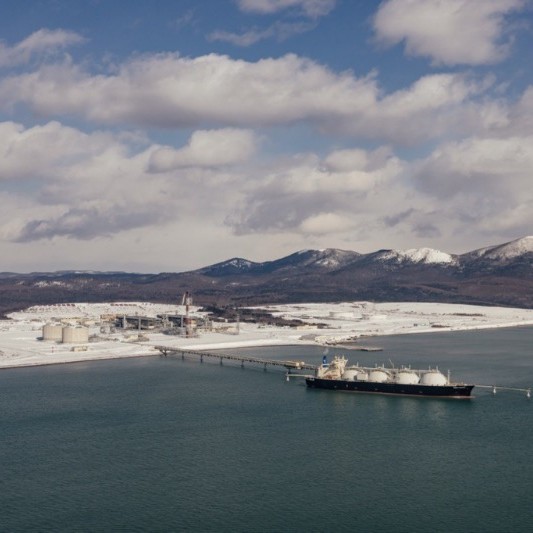
Arctic Express LNG Carrier: New Flagship in Russia's Shadow Fleet Amid Arctic Expansion
In a significant development in global energy logistics, the LNG carrier Arctic Express, newly registered under the Russian flag, has received its first cargo from a floating storage facility utilized by the Arctic LNG 2 project. According to reports from Reuters, this marks the latest move in Russia's growing LNG production from a project subject to U.S. sanctions, highlighting Moscow's strategic efforts to maintain energy market presence despite international restrictions.
The Arctic Express: Vessel Profile and Transition
The Arctic Express, a 19-year-old vessel previously known as Queen Cassiopeia, has undergone a notable transformation in its operational history. Originally operating under the Sierra Leone flag and managed by a Greek company, the vessel's ownership was transferred in mid-May to SMP Techmanagement LLC based in St. Petersburg. This transition included a change of flag to Russian, marking the vessel's entry into Russia's expanding shadow fleet dedicated to transporting sanctioned energy products.
The vessel's repurposing comes at a time when Russia is actively working to diversify its energy export markets, particularly as the European Union's long-term ban on Russian LNG imports approaches implementation on January 1, 2027. The Arctic Express represents a critical component of Russia's strategy to maintain energy export capabilities through alternative channels and partnerships.
Russia's Shadow Fleet: Strategic Response to Sanctions
The Arctic Express is part of an extensive network of at least 21 vessels currently suspected of transporting Russian gas subject to international sanctions. This shadow fleet has emerged as a key element in Russia's circumvention of Western-led restrictions on energy exports. The fleet's expansion reflects Moscow's determination to maintain its position in the global energy market despite mounting political and economic pressure.
These vessels typically operate through complex ownership structures and flag registries designed to obscure their connections to sanctioned Russian entities. The shadow fleet has become increasingly important as traditional Western markets impose restrictions, forcing Russia to pivot toward alternative buyers in Asia and other regions willing to engage in energy trade despite sanctions.
Arctic LNG 2: Production Surge Despite Restrictions
The Arctic LNG 2 project has demonstrated remarkable resilience and growth despite facing multiple sanctions. The facility has significantly increased its production and export volumes, with China emerging as a key customer. In May 2026 alone, the facility exported over 400,000 tons of LNG, setting a record since commencing shipments in August 2024. This represents a substantial achievement considering the project operates under international sanctions that typically restrict access to technology, financing, and traditional markets.
Over the past year, the Arctic LNG 2 facility has shipped more than 40 consignments totaling approximately 2.6 million tons of LNG. This volume underscores Russia's success in maintaining and expanding its Arctic LNG production capabilities despite external pressures. The project's location in Russia's Arctic region provides strategic advantages, including access to vast natural gas reserves and increasingly navigable shipping routes due to climate change-induced ice melt.
Global Energy Dynamics: Russia vs. India in LNG Trade
While Russia expands its LNG export capabilities, India has taken a notably different approach regarding Russian LNG offers. Last month, India declined to accept a discounted LNG cargo from the Portovaya facility, resulting in the 138,200 cubic meter capacity vessel Kunpeng becoming stranded near Singaporean waters. This decision highlights India's cautious approach to Russian energy imports, particularly in the LNG sector, despite its willingness to purchase discounted Russian crude oil.
Indian officials have noted fundamental differences between tracking crude oil and LNG shipments. While crude oil transfers at sea can often be obscured through ship-to-ship transfers, LNG movements are more challenging to conceal due to reliance on specialized infrastructure and satellite technology. This technical distinction has influenced India's approach to different Russian energy products, creating a nuanced position within global energy trade dynamics.
India's Energy Policy: Strategic Calculations
Despite rejecting Russian LNG, India continues to purchase substantial volumes of discounted Russian crude oil. In March, the U.S. Department of the Treasury's Office of Foreign Assets Control granted a 30-day sanctions waiver to Indian refineries, allowing them to purchase stranded Russian cargoes to alleviate supply shortages stemming from geopolitical tensions in Iran. New Delhi has consistently maintained that energy security and commercial interests supersede sanctions considerations, with energy procurement primarily driven by cost and availability factors.
India's approach reflects its position as a major energy importer seeking to balance economic interests with diplomatic considerations. The country's energy strategy prioritizes securing reliable supplies at competitive prices while navigating complex international relations and sanctions regimes. This pragmatic approach has allowed India to maintain energy security while preserving diplomatic flexibility in an increasingly fragmented global energy landscape.
Technical Challenges in LNG Tracking and Verification
The monitoring of global LNG shipments presents unique technical challenges compared to other energy commodities. Unlike crude oil, which can be transferred between vessels at sea, LNG requires specialized port infrastructure and cryogenic handling capabilities. These technical requirements make it more difficult to obscure the origin and destination of LNG cargoes, as each transfer typically requires documentation and specialized facilities.
Satellite monitoring and automatic identification systems (AIS) provide additional layers of transparency in LNG trade. These technologies enable more accurate tracking of vessel movements and cargo transfers, making it challenging to disguise the true nature of LNG shipments. This increased transparency has implications for sanctions enforcement and compliance, as well as for market participants seeking to verify the origins and destinations of energy cargoes.
Strategic Implications and Future Outlook
The expansion of Russia's LNG capabilities, exemplified by the Arctic Express and the Arctic LNG 2 project, represents a significant shift in global energy dynamics. As traditional markets implement restrictions, Russia is actively developing alternative export routes and partnerships, particularly in Asia. This realignment is reshaping global LNG trade flows and creating new challenges for sanctions enforcement and market stability.
The emergence of specialized vessels like the Arctic Express, designed for Arctic conditions and sanctioned trade, indicates a long-term strategic commitment by Russia to maintain its position in the global energy market. These developments suggest that despite international pressure, Russia is likely to continue expanding its LNG production capabilities and finding alternative markets for its energy exports.
Comparative Analysis: Arctic LNG 2 Performance
| Parameter | Arctic LNG 2 |
|---|---|
| May 2026 Export Volume | 400,000 tons LNG |
| Total Annual Export Volume | 2.6 million tons LNG |
| Primary Market Destination | China |
| Project Start Date | August 2024 |
| Shadow Fleet Vessels | At least 21 dedicated carriers |
Conclusion: The Arctic Express as Symbol of Energy Strategy
The Arctic LNG carrier represents more than just a vessel; it embodies Russia's adaptive strategy in the face of international sanctions and market restrictions. As the global energy landscape continues to evolve, specialized assets like the Arctic Express will play increasingly important roles in maintaining supply chains and market access for producers facing political pressure.
The vessel's operations highlight the complex interplay between energy security, market dynamics, and geopolitical considerations in modern global trade. As Russia continues to expand its Arctic LNG capabilities and develop alternative market channels, the international community faces challenges in balancing energy security concerns with the enforcement of sanctions and the maintenance of market stability.
The Arctic Express saga serves as a case study in how energy exporters adapt to changing circumstances, utilizing specialized assets and strategic partnerships to maintain market presence. In an era of increasing energy fragmentation and regionalization, such adaptations are likely to become more common as countries seek to secure their energy interests amid shifting global alliances and restrictions.