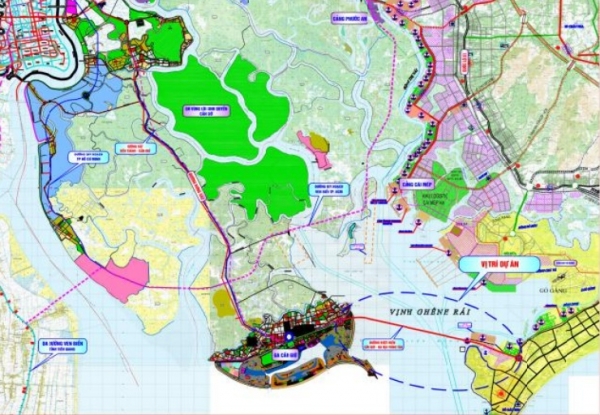
Ho Chi Minh City Unveils 3.1km Undersea Tunnel Project Connecting Can Gio with Vung Tau
In a significant development aimed at enhancing transportation infrastructure in Southern Vietnam, the Can Gio - Vung Tau undersea tunnel project has been officially announced. This ambitious project represents a major leap forward in regional connectivity, promising not only to boost local economic development but also to facilitate convenient travel between two renowned coastal areas.
Project Overview
The Can Gio - Vung Tau undersea tunnel project marks one of the most significant infrastructure initiatives in Southern Vietnam's recent history. When completed, it will provide a direct underwater connection between Ho Chi Minh City's Can Gio district and Vung Tau city, effectively reducing travel time and opening new opportunities for economic growth and tourism development in the region.
Detailed Project Information
| Project Parameter | Specification |
|---|---|
| Project Name | Can Gio - Vung Tau Undersea Tunnel |
| Total Investment | Nearly 93,000 billion VND (approximately $3.8 billion) |
| Total Length | Over 14 km |
| Tunnel Length | Approximately 3.1 km underwater section |
| Implementation Period | Planned from 2026 to 2029 |
| Type of Tunnel | Immersed tube tunnel |
Key Features of the Project
The undersea tunnel project encompasses several critical components designed to ensure optimal functionality and integration with existing transportation networks:
| Component | Description |
|---|---|
| Undersea Tunnel | 3.1km immersed tube tunnel featuring modern ventilation and safety systems |
| Approach Bridges | Modern design ensuring smooth traffic flow and minimal environmental impact |
| Connecting Roads | |
| Support Facilities |
Strategic Objectives
The Can Gio - Vung Tau undersea tunnel project serves multiple strategic objectives that extend beyond simple transportation connectivity:
- Enhanced Regional Connectivity: Strengthen transportation links between Ho Chi Minh City and neighboring provinces, creating a more integrated economic zone.
- Tourism Development: Unlock the tourism potential of both Can Gio and Vung Tau by making them more accessible to domestic and international visitors.
- Traffic Decongestion: Alleviate pressure on existing transportation routes, particularly National Highway 51 and the current ferry connections between the two regions.
- Economic Growth: Stimulate economic activity along the corridor, encouraging new business development and real estate investment.
- Disaster Resilience: Provide an alternative transportation route that remains operational during adverse weather conditions that often disrupt ferry services.
Technical Specifications and Innovations
The tunnel will be constructed using state-of-the-art engineering techniques to ensure durability, safety, and minimal environmental impact. The immersed tube method will be employed, involving the construction of tunnel sections in a dry dock, floated into position, and then sunk onto a prepared seabed.
Key technical features include:
- Waterproof concrete construction with advanced sealing systems
- Pressurized emergency escape routes
- High-efficiency ventilation systems
- Integrated fire suppression and detection systems
- Smart traffic monitoring and control systems
- Renewable energy integration for reduced environmental footprint
Economic Impact Analysis
| Economic Impact Category | Projected Effects |
|---|---|
| Transportation Efficiency | Reduction in travel time from approximately 2-3 hours (by road/ferry) to 20-30 minutes |
| Tourism Growth | Estimated 30-40% increase in tourist visits to both regions within 5 years of completion |
| Real Estate Development | |
| Business Opportunities |
Environmental Considerations
The project incorporates comprehensive environmental protection measures to minimize ecological impact:
- Marine Ecosystem Protection: Detailed environmental impact assessments conducted to protect marine biodiversity and coral reefs in the construction area.
- Waste Management: Strict protocols for construction waste disposal and recycling.
- Carbon Footprint Reduction:
- Energy-efficient construction methods
- Integration of renewable energy sources
- Electric vehicle charging infrastructure
Implementation Challenges and Solutions
The project faces several significant challenges that require innovative solutions:
- Complex Engineering Requirements: The underwater construction requires specialized equipment and expertise, necessitating partnerships with international engineering firms.
- Financial Management: The substantial investment requires careful financial planning and may involve public-private partnership models to distribute risk and ensure completion.
- Community Impact: Construction activities will temporarily affect local communities and businesses, requiring comprehensive mitigation and compensation strategies.
- Coordination Between Jurisdictions: The project involves coordination between Ho Chi Minh City and Ba Ria-Vung Tau province, requiring strong intergovernmental cooperation.
International Comparisons
| Project | Country | Length (km) | Year Completed | Cost (USD) |
|---|---|---|---|---|
| Øresund Tunnel | Denmark-Sweden | 3.5 | 2000 | $3.1 billion |
| Tokyo Bay Aqua-Line | Japan | 9.6 | 1997 | $12 billion |
| Hong Kong-Zhuhai-Macau Bridge | China | 35.6 | 2018 | $20 billion |
| Can Gio-Vung Tau Tunnel | Vietnam | 3.1 | 2029 (planned) | $3.8 billion |
Future Development Prospects
The completion of the Can Gio - Vung Tau undersea tunnel is expected to catalyze broader regional development initiatives:
- Extended Transportation Network: Potential future connections to other coastal areas and islands, creating a comprehensive marine transportation network.
- Economic Corridor Development: The tunnel forms part of a larger vision for an economic corridor connecting Ho Chi Minh City with the southeastern provinces and key industrial zones.
- Smart City Integration: Integration with smart city initiatives in both Ho Chi Minh City and Vung Tau, featuring intelligent transportation systems and digital infrastructure.
- Sustainable Tourism Model: Development of eco-tourism initiatives that leverage improved connectivity while preserving the natural environments of both regions.
Community and Stakeholder Engagement
The project development team has established comprehensive community engagement programs to ensure stakeholder input throughout the project lifecycle:
- Regular public consultations and information sessions
- Employment opportunities for local workers
- Skills development programs aligned with project requirements
- Local business participation in supply chains
- Cultural heritage preservation measures
Conclusion: A New Era for Southern Vietnam's Connectivity
The Can Gio - Vung Tau undersea tunnel project represents more than just an engineering marvel; it symbolizes Vietnam's commitment to modernizing its infrastructure and fostering regional economic integration. When completed in 2029, this 3.1km tunnel will not only revolutionize transportation between two key coastal regions but also set a precedent for future infrastructure development in Vietnam and Southeast Asia.
As project details continue to be refined and implementation progresses, the engineering community, investors, and local residents eagerly anticipate the transformation this project will bring to Southern Vietnam's economic landscape and quality of life.