The Hormuz Crisis and Lessons from the 1973 Oil Shock
Although oil and gas have resumed flowing through the Strait of Hormuz, the more than 100-day blockade of this vital maritime route could mark a turning point in the global energy market. The 1973 Arab oil embargo—a similar supply shock—may offer insights into where the world is headed.
Background: The Strait of Hormuz - Lifeline of the Energy Market
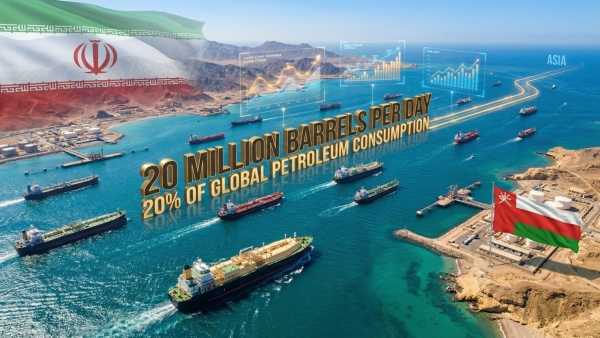
The Strait of Hormuz, a narrow waterway connecting the Persian Gulf to the Indian Ocean, stands as one of the world's most crucial maritime passages. Over 20% of global crude oil and approximately 20% of liquefied natural gas (LNG) shipments traverse this region.
According to statistics from the U.S. Energy Information Administration (EIA), approximately 17 to 20 million barrels of crude oil pass through the Strait of Hormuz daily, equivalent to about 20-21% of global oil consumption.
Geopolitical Landscape
The Strait of Hormuz falls under Iran's control, a nation with tense relations with Western countries and regional Arab states. This strategic location has made it a focal point of geopolitical tensions for decades.
The 1973 Oil Crisis: A Comparative Analysis
The 1973 oil crisis stands as one of the most significant economic events of the 20th century, originating from Arab nations imposing an oil embargo on countries supporting Israel during the Yom Kippur War.
The 1973 Events
- On October 17, 1973, Arab countries within the Organization of the Petroleum Exporting Countries (OPEC) announced an oil embargo against nations supporting Israel
- Oil prices rose from $3 per barrel to nearly $12 per barrel within months
- The embargo lasted for 5 months, causing economic recession in many industrialized nations
Comparison with the Hormuz Situation
| Factor | 1973 Crisis | Hormuz Situation |
|---|---|---|
| Cause | Israel-Arab conflict | Geopolitical tensions, economic sanctions |
| Scope of Impact | Global, but primarily Western nations | Global, with broader effects due to higher dependency |
| Duration | 5 months | Over 100 days (if occurring) |
| Price Fluctuation | 300% increase | Projected 200-400% increase |
Global Economic Impact
A genuine incident in the Strait of Hormuz would trigger severe global economic consequences:
- Skyrocketing oil prices, potentially reaching $150-200 per barrel
- Increased inflation, particularly in major oil-importing countries like China, India, Japan, and the EU
- Global economic growth slowdown, potentially leading to recession
- Rising costs for shipping goods
Regional Impacts
| Region | Projected Impact |
|---|---|
| United States | Increased inflation, GDP reduction of 1-2% |
| China | Significant growth slowdown, risk of recession |
| European Union | High inflation, technical recession |
| Japan | Negative growth, energy crisis |
Lessons from History
The 1973 oil crisis taught the world several valuable lessons:
- Energy supply diversification: Countries began seeking alternative energy sources and reducing dependence on Middle Eastern oil
- Strategic reserve enhancement: The U.S. Strategic Petroleum Reserve (SPR) was established in 1975
- Renewable energy development: The crisis spurred research and development in solar, wind, and nuclear energy
- Improved energy efficiency: Energy conservation standards were implemented
Current Reality
However, the world today remains vulnerable to oil shocks:
- Dependence on Middle Eastern oil remains high, particularly in Asia
- Strategic reserves may be insufficient to handle prolonged incidents
- Energy transition remains slow compared to necessary pace
- Energy policies in many countries lack consistency
Future Outlook
In an increasingly complex geopolitical landscape, nations need to:
- Strengthen international cooperation to ensure maritime security in the Strait of Hormuz
- Diversify energy supplies and enhance reserves
- Accelerate the transition to renewable energy
- Develop energy-saving technologies
Conclusion
The events in the Strait of Hormuz, though temporarily resolved, have reminded the world of the potential risks in the global energy market. Lessons from the 1973 oil crisis show that the best preparation is investment in energy supply diversification and sustainable energy transition. In today's complex geopolitical context, these lessons have become more urgent than ever.
The world needs to take decisive action to reduce oil dependency and build a flexible, sustainable global energy system capable of withstanding future shocks.
#Energy #Oil #Crisis #Hormuz #Geopolitics #GlobalEconomy