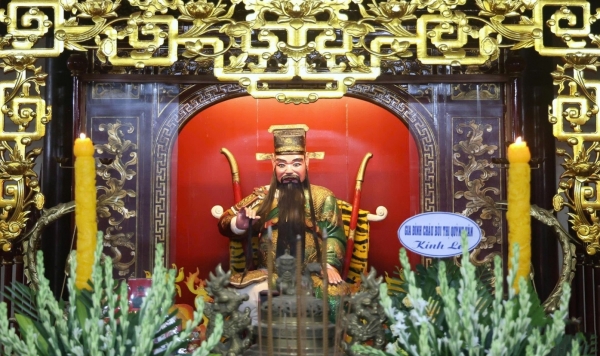
Quảng Ngãi Province Holds Solemn Ceremony Commemorating 530th Anniversary of Trấn Quốc Công Bùi Tá Hán's Birth
In a celebration that blends reverence for history with cultural pride, Quảng Ngãi province hosted a solemn ceremony on June 28th to commemorate the 530th anniversary of the birth of the revered military leader Trấn Quốc Công Bùi Tá Hán (1496-2026). The event took place at the Nghĩa Lộ National Historical Site in Nghĩa Lộ Ward, drawing significant participation from provincial leaders and local residents who gathered to honor one of Vietnam's most distinguished historical figures.
The commemorative ceremony exemplifies the deep respect that modern Vietnamese society holds for its historical heroes and serves as an important educational opportunity for younger generations to connect with their cultural roots. Through such celebrations, communities actively preserve and promote the values and legacies that have shaped national identity throughout centuries.
Trấn Quốc Công Bùi Tá Hán: A Distinguished General in Vietnam's History
Bùi Tá Hán stands as one of the most prominent military figures in Vietnam's history, particularly renowned for his contributions to the territorial expansion and defense of central Vietnam. His legacy extends beyond mere military achievements to encompass administrative and cultural developments that left lasting impacts on the regions he governed.
As a trusted commander during a pivotal period of Vietnamese history, Bùi Tá Hán demonstrated exceptional leadership qualities, strategic thinking, and unwavering loyalty to the nation. His military campaigns not only expanded Vietnamese territory but also strengthened the country's position in the region. Beyond his martial accomplishments, he was instrumental in developing local administration systems and promoting agricultural and cultural initiatives that benefited the communities under his command.
The historical records portray Bùi Tá Hán as a multifaceted leader whose contributions extended to diplomatic relations with neighboring regions and the implementation of policies that fostered stability and prosperity. His approach to governance balanced military strength with cultural development, earning him enduring respect among generations of Vietnamese people.
Comprehensive Program of Commemorative Activities
The commemorative ceremony featured a well-structured program designed to honor Bùi Tá Hán's legacy through various meaningful activities:
- Solemn Incense Offering Ceremony: The morning began with a formal incense offering at the memorial site, where provincial officials and local representatives paid their respects to the historical figure. This traditional Vietnamese ritual symbolizes reverence and remembrance.
- Cultural and Artistic Performances: Throughout the day, attendees enjoyed traditional performances that showcased the rich cultural heritage of Quảng Ngãi province. These included folk music, traditional dances, and theatrical presentations that depicted significant moments from Bùi Tá Hán's life and military career.
- Documentary Film Screening: A specially produced documentary film detailing the life, achievements, and historical significance of Trấn Quốc Công Bùi Tá Hán was screened for the public. The film provided comprehensive insights into his contributions to Vietnamese history and culture.
- Historical Exhibition: An exhibition featuring artifacts, documents, and visual representations related to Bùi Tá Hán and his era was displayed, offering attendees a tangible connection to the past.
- Educational Seminars: Historians and scholars conducted seminars discussing various aspects of Bùi Tá Hán's legacy, his military strategies, and his impact on the development of central Vietnam.
Historical Significance and Cultural Value
The commemoration of Trấn Quốc Công Bùi Tá Hán's birth anniversary serves multiple important purposes within contemporary Vietnamese society. Firstly, it represents a tangible connection to the nation's historical narrative, allowing present generations to engage with their cultural heritage in meaningful ways.
Such celebrations play a crucial role in historical education, particularly for younger audiences who may have limited awareness of pre-modern Vietnamese history. By commemorating figures like Bùi Tá Hán, communities actively participate in the transmission of historical knowledge and cultural values across generations.
Furthermore, these events contribute to regional identity formation and pride. For Quảng Ngãi province, honoring one of its most distinguished historical figures reinforces the unique cultural character of the area and distinguishes it within Vietnam's diverse cultural landscape.
The commemorative activities also have economic and tourism dimensions, as they attract visitors interested in cultural heritage, potentially stimulating local tourism and related businesses. This creates a positive synergy between cultural preservation and economic development.
Community Participation and Regional Pride
The enthusiastic participation of local residents in the commemorative ceremony demonstrates the enduring significance of historical figures in Vietnamese collective memory. Community members of all ages attended the event, many dressed in traditional attire, reflecting the deep cultural connection to their heritage.
For younger participants, the ceremony provided valuable educational opportunities. Schools organized field trips to the event, allowing students to learn about their history in an immersive environment that complements classroom instruction. This intergenerational aspect ensures that historical knowledge and cultural values continue to be transmitted effectively.
The active involvement of community organizations, cultural associations, and local businesses further highlighted the widespread commitment to preserving and promoting Quảng Ngãi's historical legacy. Various community groups contributed performances, exhibitions, and educational materials, demonstrating a collaborative approach to cultural heritage preservation.
Preservation of Historical Sites and Cultural Heritage
The Nghĩa Lộ National Historical Site, where the commemorative ceremony was held, represents an important physical link to Vietnam's past. The site has been carefully preserved to maintain its historical integrity while accommodating educational and commemorative activities.
Historical sites like Nghĩa Lộ serve as focal points for regional identity and cultural memory. They provide tangible connections to historical events and figures that might otherwise remain abstract concepts in textbooks. The careful preservation and maintenance of such sites ensure that future generations can experience and learn from these important historical locations.
The provincial government has invested significantly in the development and promotion of historical sites like Nghĩa Lộ, recognizing their value as educational resources and cultural assets. These investments include infrastructure improvements, educational programs, and promotional initiatives designed to increase public awareness and appreciation of local historical heritage.
Future Implications and Continuing Legacy
The successful commemoration of Trấn Quốc Công Bùi Tá Hán's 530th birth anniversary sets a precedent for future historical celebrations in Quảng Ngãi province and other regions. It demonstrates the ongoing relevance of historical commemoration in contemporary society and provides a model for organizing similar events.
Looking forward, provincial authorities have indicated plans to expand commemorative activities to include more interactive and educational components. These future initiatives aim to further engage younger audiences and create deeper connections between historical knowledge and contemporary life.
The commemoration also highlights the importance of integrating historical education with broader cultural preservation efforts. By celebrating historical figures like Bùi Tá Hán, communities reinforce the value of cultural heritage and encourage ongoing efforts to document, preserve, and share historical knowledge.
As Vietnam continues to develop rapidly, events like the commemoration of Trấn Quốc Công Bùi Tá Hán serve as important reminders of the nation's historical journey and the values that have guided its development. They provide opportunities to reflect on the past while considering future directions for cultural preservation and national identity.
| Event Activity | Time | Location |
|---|---|---|
| Incense Offering Ceremony | 8:00 AM | Nghĩa Lộ National Historical Site |
| Cultural and Artistic Performances | 9:30 AM | Festival Area |
| Documentary Film Screening | 10:30 AM | Local Cinema |
| Historical Exhibition | 2:00 PM | Exhibition Hall |
| Educational Seminars | 3:30 PM | Cultural Center |
The commemoration of Trấn Quốc Công Bùi Tá Hán's 530th birth anniversary stands as a testament to the enduring importance of historical memory in Vietnamese society. Through such celebrations, communities actively preserve their cultural heritage while creating meaningful connections between past and present. As Quảng Ngãi province continues to honor its historical legacy, it sets an example for other regions seeking to balance modern development with cultural preservation.
These commemorative events serve multiple purposes: educating younger generations about their heritage, reinforcing regional identity, promoting cultural tourism, and fostering a sense of national pride. By continuing to organize and participate in such activities, communities ensure that the legacies of historical figures like Bùi Tá Hán remain relevant and influential in contemporary society.