The Hormuz Crisis: Revisiting Its Impact on Global Energy Markets
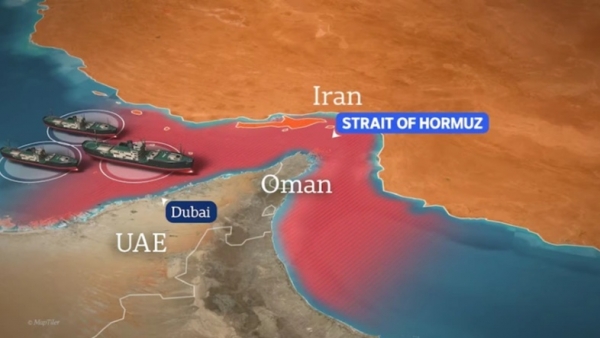
The blockade of the Strait of Hormuz that commenced in late February has emerged as a focal point of geopolitical tensions in the global energy landscape. This strategically vital waterway serves as one of the world's most critical oil transit routes, accounting for approximately 20% of globally traded oil transported by sea. As the situation unfolded, energy markets exhibited pronounced reactions, prompting concerns about potential supply disruptions and price volatility that could reverberate across the global economy.
Background: The Strategic Importance of the Strait of Hormuz
The Strait of Hormuz connects the Persian Gulf with the Gulf of Oman and the Arabian Sea, serving as the only maritime passage from the Persian Gulf's oil-producing regions to the open ocean. Approximately 17-20 million barrels of oil pass through this narrow waterway daily, making it an indispensable artery for global energy supplies. Major oil producers including Saudi Arabia, Iran, Iraq, Kuwait, and the United Arab Emirates rely on this route to export their crude to markets in Asia, Europe, and North America.
The geopolitical significance of the strait has long been recognized, with the U.S. Navy maintaining a constant presence in the region to ensure freedom of navigation. The recent crisis, however, marked a significant escalation in tensions that threatened to disrupt this critical energy corridor.
Timeline and Key Developments of the Crisis
The crisis began in late February when heightened tensions in the Persian Gulf led to the establishment of a naval blockade in the Strait of Hormuz. The situation was exacerbated by the seizure of commercial vessels by Iranian forces and countermeasures by international naval coalitions, creating an environment of uncertainty that immediately impacted global energy markets.
Throughout the crisis period, several critical events shaped its trajectory:
- Initial Blockade: The establishment of restricted maritime zones that significantly impeded commercial vessel movements
- Insurance Market Reaction: Increased insurance premiums for vessels transiting the strait, raising transportation costs
- Diplomatic Interventions: Attempts by international organizations and individual nations to mediate and de-escalate tensions
- Market Adaptation: Gradual normalization of shipping routes as alternative pathways were explored
Market Reactions and Price Volatility
As news of the blockade spread, global oil markets experienced immediate and significant price fluctuations. Brent crude prices surged by approximately 8% within the first week of the crisis, while West Texas Intermediate (WTI) crude saw similar increases. This volatility reflected market concerns about potential supply disruptions and the implications for global economic growth.
Energy traders and analysts initially warned that prolonged disruptions could lead to a full-blown energy crisis, with prices potentially reaching levels not seen since the 1970s oil shocks. However, as the situation evolved and alternative routing options were explored, markets gradually stabilized despite remaining sensitive to further developments.
The crisis also highlighted the interconnected nature of global energy markets, with price impacts extending beyond crude oil to refined products, natural gas, and related commodities. Stock markets worldwide experienced increased volatility as investors assessed the potential economic implications of sustained energy price increases.
Short-term and Long-term Impacts on Energy Markets
| Impact Area | Short-term Effects | Long-term Implications |
|---|---|---|
| Oil Prices | Spike of 7-10% due to immediate supply concerns and risk premiums; increased volatility in futures markets | Gradual stabilization as alternative routes are established; potential structural shift in pricing mechanisms |
| Supply & Demand Dynamics | Reduced supply through Hormuz; increased demand from stockpiling activities; market uncertainty affecting consumption patterns | Accelerated development of alternative supply routes; potential long-term reduction in dependence on Hormuz transit |
| Delayed investment decisions in new projects; increased risk premiums for projects in the region; reduced exploration activity | Accelerated investment in renewable energy sources; increased focus on energy security and diversification; potential reevaluation of infrastructure investments | |
| Geopolitical Relations | Heightened tensions between regional powers; increased naval presence; diplomatic efforts to de-escalate |
Systemic Weaknesses Exposed by the Crisis
The Hormuz crisis served as a stress test for the global energy system, revealing several critical vulnerabilities that had been previously overlooked or underestimated:
- Single Point of Failure Dependency: The over-reliance on a single geographic chokepoint for a significant portion of global energy supplies created systemic risk. This concentration increased vulnerability to political disruptions, accidents, or natural disasters.
- Inadequate Alternative Infrastructure: The limited capacity of alternative routes and storage facilities highlighted the insufficient redundancy built into the global energy system. Existing infrastructure was unable to compensate for even temporary disruptions to Hormuz transit.
- Insufficient Diversification of Energy Sources: The crisis underscored the global economy's continued dependence on fossil fuels, particularly oil, and the insufficient development of renewable alternatives that could provide greater energy security.
- Fragmented International Response: The difficulty in achieving coordinated international responses to energy crises reflected the lack of robust institutional frameworks for managing such disruptions, despite their potentially global economic impacts.
Expert Analysis and Industry Perspectives
Energy analysts and industry experts have offered diverse perspectives on the implications of the Hormuz crisis. Many have emphasized that while the immediate market impact was significant, the demonstrated resilience of the global energy system prevented a full-blown crisis.
"The crisis served as a wake-up call rather than a catastrophe," noted Dr. Elena Rodriguez, an energy security analyst at the Global Energy Institute. "It highlighted vulnerabilities that have been known but inadequately addressed for decades. The question now is whether this renewed attention will translate into meaningful structural changes."
Industry representatives have pointed to technological innovations that helped mitigate the impact, including more efficient routing algorithms, increased use of satellite monitoring for vessel tracking, and enhanced communication systems that allowed for more rapid adaptation to changing conditions.
Future Implications and Strategic Recommendations
The Hormuz crisis has prompted calls for fundamental reassessments of energy security strategies at both national and international levels. Several key recommendations have emerged from post-crisis analyses:
- Diversification of Supply Routes: Investment in alternative transportation infrastructure, including expanded pipeline networks, rail transport, and other maritime routes to reduce reliance on single chokepoints.
- Accelerated Energy Transition: Increased investment in renewable energy sources and technologies that can reduce dependence on fossil fuels and enhance energy independence.
- Strategic Reserves Enhancement: Expansion of strategic petroleum reserves and other buffer mechanisms that can be deployed during supply disruptions.
- International Cooperation Mechanisms: Development of more robust international frameworks for coordinating responses to energy crises, including information sharing and joint contingency planning.
- Technological Innovation: Investment in smart grid technologies, energy storage solutions, and efficiency improvements that can enhance system resilience and reduce vulnerability to supply disruptions.
Conclusion
The Hormuz crisis has served as a stark reminder of the vulnerabilities inherent in the global energy system. While immediate market impacts were contained through adaptive measures and alternative routing, the underlying structural weaknesses exposed by the crisis remain unaddressed.
Moving forward, the challenge for policymakers, industry leaders, and international organizations will be to translate the lessons from this crisis into concrete actions that enhance energy security and resilience. This will require not only technological innovation and infrastructure investment but also new approaches to international cooperation and a renewed commitment to energy diversification.
As the global energy landscape continues to evolve, the events surrounding the Hormuz crisis will likely be remembered as a pivotal moment that accelerated the transition toward a more secure, sustainable, and diversified energy future—one less vulnerable to the geopolitical tensions that have historically characterized this critical sector.
The crisis ultimately demonstrated that while energy markets can absorb short-term disruptions, the long-term health of the global economy depends on addressing the systemic vulnerabilities that make such disruptions possible in the first place.