Maritime Traffic Through Strait of Hormuz Shows Signs of Recovery Amid Heightened Caution
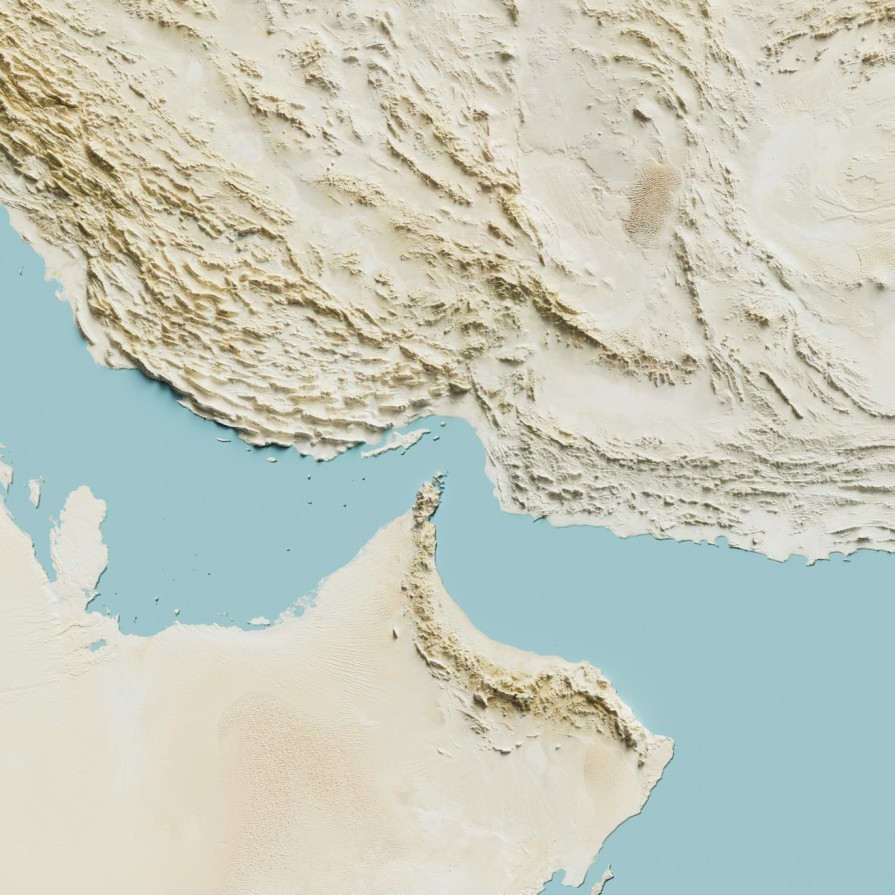
Maritime traffic through the Strait of Hormuz has shown signs of recovery in the past week, but ship operators remain extremely cautious when navigating through this strategic chokepoint, particularly following Thursday's attack in the Gulf of Oman targeting a vessel that had just passed through this critical waterway.
Current Maritime Situation
According to vessel tracking data monitored by Bloomberg, on Friday morning local time, two crude oil tankers were observed moving out of the Strait of Hormuz, while four very large crude carriers (VLCCs) were heading empty into the area near the coast of Oman.
While some traffic activity was observed on Friday, the attack on the Ever Lovely container ship has caused some operators to withdraw and await further information regarding the safety of transiting the Strait of Hormuz. The attack has created uncertainty in an already tense maritime environment.
Shipping Industry Response
According to several ship operators who spoke with Bloomberg, some companies and captains have withdrawn their vessels following the attack. At least one Asia-based shipping company reversed its previous decision to allow its vessels to transit the Strait of Hormuz and instructed staff to remain in position, according to a message seen by Bloomberg News.
This caution reflects deep concerns within the shipping industry about security in this strategically vital region, through which approximately one-third of global oil shipments are transported. The vulnerability of commercial vessels to potential threats has become a paramount consideration for maritime operators.
Industry Measures Being Implemented
Shipping companies are implementing various security measures:
- Altering routes to avoid the Strait of Hormuz when possible
- Increasing insurance premiums for vessels transiting the area
- Establishing emergency communication protocols
- Coordinating with naval forces for convoy protection
International Maritime Organization (IMO) Response
In this context, the United Nations' International Maritime Organization (IMO) has paused the evacuation of ships from the Persian Gulf following the attack. The vessel targeted in the attack was not transiting under the IMO's evacuation framework.
"To ensure a coordinated and safe approach to maritime safety, the evacuation plan will be paused until there is further clarity," IMO Secretary-General Arsenio Dominguez stated on Thursday.
IMO's Ongoing Concerns
The IMO continues to monitor the situation closely and has issued several advisories to member states:
- Enhanced vigilance when transiting the Strait of Hormuz
- Reporting of all suspicious activities to maritime authorities
- Implementation of the latest security protocols
Impact on the Oil Market
Despite the attack, traffic has not completely ceased, with millions of barrels of oil passing through the Strait of Hormuz in the past week, raising hopes on the market that the worst supply disruptions may be over.
Early Friday morning, oil prices were heading for a weekly decline as trading cautiously resumed. The market appears to be balancing immediate security concerns against the fundamental reality that oil shipments through the strait continue, albeit with reduced frequency.
| Time Period | Vessel Traffic Through Strait of Hormuz | Market Response |
|---|---|---|
| Pre-Attack | Normal activity (~20 vessels/day) | Stable oil prices |
| Immediate Post-Attack | Significant reduction | Spike in oil prices |
| Current Status | Partial recovery (~10-12 vessels/day) | Moderate oil price decrease |
Complex Geopolitical Developments
In this complex situation, Iran's Islamic Revolutionary Guard Corps (IRGC) posted a statement on Thursday on Telegram stating that vessels in the southern lanes had been ordered to turn back. Maritime intelligence firm Windward identified five vessels exhibiting behavior consistent with Iran's statement.
The maritime situation in the Strait of Hormuz continues to be a major concern for the global energy industry, as any disruption to oil transportation through this region could cause significant price volatility. The strait remains a geopolitical flashpoint where commercial interests intersect with national security concerns.
Regional Security Dynamics
The security situation in the region involves multiple stakeholders with competing interests:
- Regional powers with competing maritime security strategies
- International naval forces conducting security operations
- Commercial shipping companies balancing operational efficiency with risk management
- Insurance providers reassessing risk assessments for the region
Future Outlook
The crisis in the Strait of Hormuz continues to evolve with unpredictable developments, and ship operators, investors, and regulatory bodies will need to closely monitor the situation to make appropriate decisions as maritime security in the region becomes increasingly unstable.
Industry experts suggest that the long-term solution may involve enhanced international cooperation to ensure safe passage through this vital waterway, while acknowledging that immediate challenges remain significant. The economic implications of prolonged disruptions could be substantial, affecting not only energy markets but global trade more broadly.
The coming weeks will be critical in determining whether the recent attack represents an isolated incident or part of a broader pattern of increased maritime threats in this strategically important region.