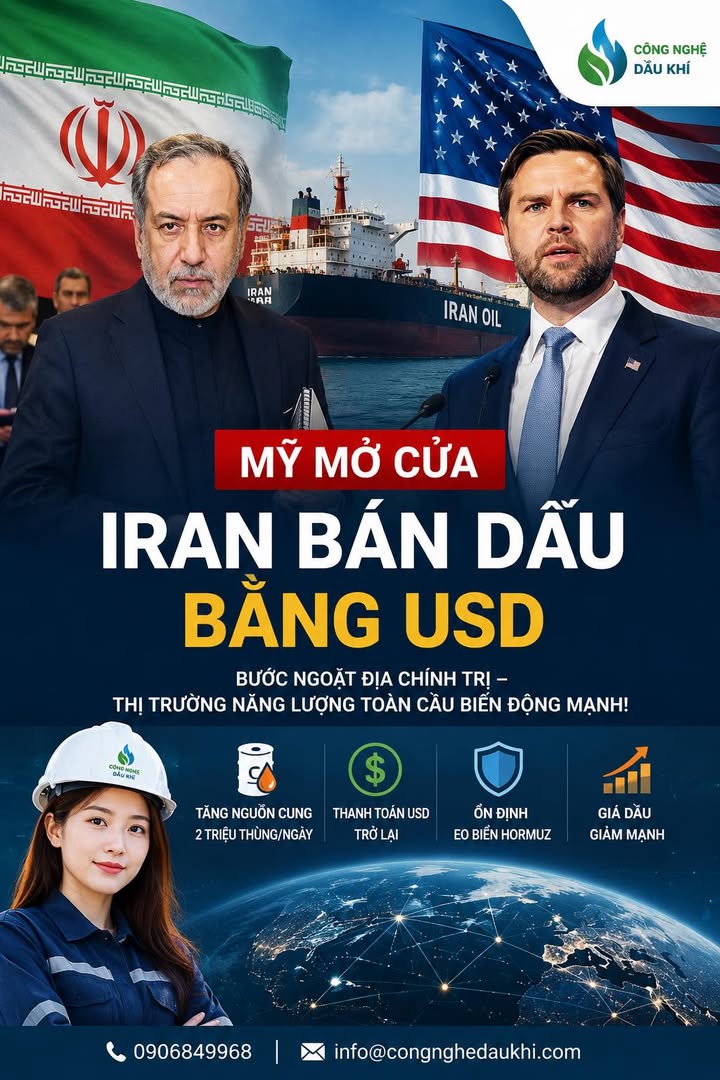
US Opens Door for Iran to Sell Oil in USD: Potential Geopolitical Shift That Could Reshape Global Energy Markets
In a move that could fundamentally alter the geopolitical landscape of the Middle East and global energy markets, the United States government has issued a temporary 60-day license permitting Iran to produce, transport, and sell crude oil, petroleum products, and petrochemicals until August 21, 2026. This decision represents the most significant concession Washington has made to Tehran in decades and signals a potential thaw in long-standing diplomatic relations between the two nations.
Announced on June 22, 2026, by the Biden administration, the licensing exemption comes amid renewed diplomatic efforts aimed at easing tensions in the volatile Middle East region. The move has already sent ripples through global oil markets, with prices dropping more than 3% as traders anticipate increased supply from one of the world's largest oil-producing nations.
Background and Key Terms of the Agreement
According to Vice President JD Vance, negotiations between the United States and Iran held at Burgenstock, Switzerland, have established a foundation for a long-term peace agreement. One of the critical components of this emerging understanding is Iran's agreement to allow inspectors from the International Atomic Energy Agency (IAEA) to return and monitor the country's nuclear facilities.
However, Iranian officials have been more cautious in their public statements. Foreign Minister Abbas Araghchi and spokesperson Esmaeil Baghaei have emphasized that Tehran has not made any new binding commitments regarding its nuclear program, with many details still under negotiation.
Timeline of Key Events
| Date | Event |
|---|---|
| June 17, 2026 | US and Iran sign a memorandum of understanding opening the door for negotiations |
| June 22, 2026 | US issues 60-day exemption from oil sanctions |
| June 22, 2026 | JD Vance announces Iran will allow IAEA inspectors to return |
| August 21, 2026 | Current temporary license expiration date |
Why the World Is Paying Attention to This Decision
Iran possesses one of the largest oil and gas reserves in the world, making any changes to its export capabilities significant for global energy markets. The country's untapped potential, combined with its strategic location in the Middle East, gives it considerable influence over international energy supplies.
Iran's Oil and Gas Reserves Profile
| Category | Details |
|---|---|
| Oil Reserves | Approximately 208 billion barrels |
| Natural Gas Reserves | 2nd largest in the world |
| Current Export Volume | Approximately 1.6 million barrels per day |
| Potential with Sanctions Relief | Could reach 2 million barrels per day |
For years, Iran has been forced to sell much of its oil through intermediary networks and non-USD payment systems due to international sanctions. A long-term lifting of these restrictions would allow Iran direct access to the international financial system, potentially increasing its export revenue significantly.
Impact on Oil Prices
Global oil markets reacted almost immediately to the news of the US decision. Within hours of the announcement, benchmark crude prices had fallen more than 3%, reflecting market expectations of increased global supply as Iranian oil returns to the market more robustly.
Immediate Market Reaction
| Oil Benchmark | Price After Announcement (USD/barrel) |
|---|---|
| Brent | $77.90 |
| WTI | $74.82 |
The price decline reflects the market's calculation that increased Iranian supply, potentially adding hundreds of thousands of barrels per day to global markets, would help alleviate supply concerns that had been supporting higher prices.
The Strait of Hormuz: A Critical Factor
One of the crucial elements of any agreement involving Iranian oil is ensuring the free flow of shipping through the Strait of Hormuz, a strategically vital waterway through which approximately 20% of global commercial oil is transported.
The United States has stated that Iran has committed to ensuring free maritime passage through this critical chokepoint. This assurance has helped stabilize shipping operations in the region, which had experienced disruptions during previous periods of heightened tensions.
Who Benefits Most from This Agreement
| Stakeholder | Potential Benefits |
|---|---|
| Iran | Increased oil and gas revenue, access to USD transactions |
| United States | Reduced regional tensions, decreased pressure on energy prices |
| China | More stable oil supply sources |
| India | Additional options for oil imports |
| Global Market | Reduced risk of supply shortages |
Potential Risks and Deal-Breakers
Despite the current optimism, significant challenges remain that could derail the emerging agreement:
- Unconfirmed Commitments: Iran has not fully confirmed the commitments announced by US officials
- Nuclear Stalemate: No final agreement has been reached on Iran's nuclear program
- Regional Conflicts: Ongoing tensions involving Israel and Hezbollah remain unresolved
- Temporary Nature: The current license only extends to August 21, 2026
If negotiations fail, US sanctions could be rapidly reinstated, causing immediate market disruption and potentially sending oil prices soaring.
Analysis and Future Outlook
This development extends beyond simple oil market dynamics; it represents a potentially strategic shift in US-Iran relations after decades of hostility. If the negotiation process succeeds, Iran could reclaim its position as one of the world's largest oil exporters, while the global energy market might enter a period of greater stability following years of volatility.
The most controversial aspect of this unfolding situation is whether Washington is genuinely paving the way for peace or inadvertently providing Tehran with an economic opportunity worth tens of billions of dollars. The answer may depend on the success of broader diplomatic efforts and whether Iran demonstrates meaningful concessions on its nuclear program.
As the August 21, 2026 deadline approaches, all eyes will be on the negotiations in Switzerland and the evolving geopolitical landscape in the Middle East. The outcome could not only reshape energy markets but potentially alter the balance of power in one of the world's most strategically important regions.