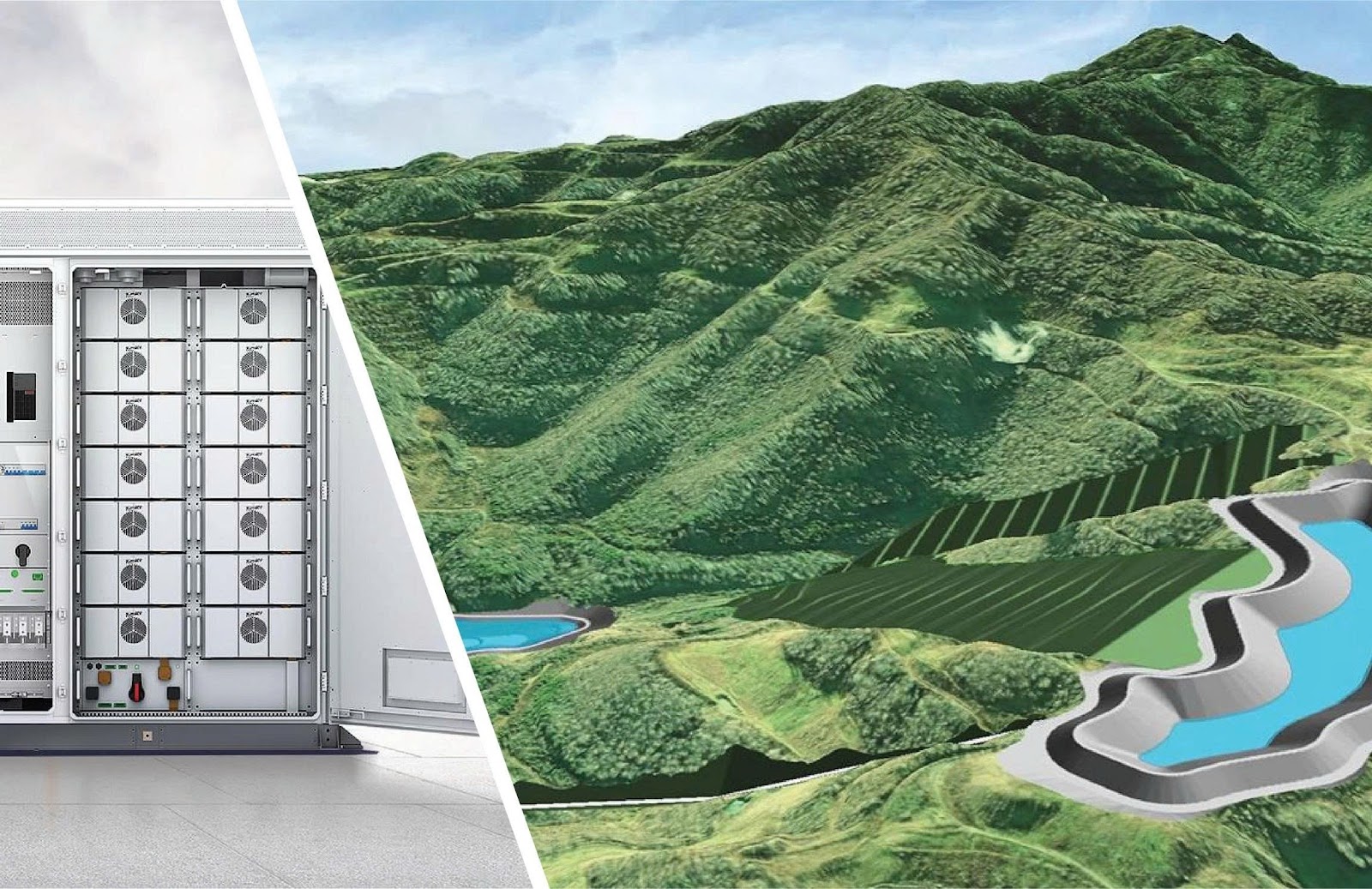
The Value of Energy Storage in Modern Power Systems: Who Should Pay?
With the rapid development of renewable energy sources, particularly solar and wind power, energy storage has emerged as a critical topic in the power sector. Following recent discussions about the pricing framework for ground-mounted and floating solar power with integrated Battery Energy Storage Systems (BESS) and questions from Vietnam Electricity (EVN), an important question has arisen: If energy storage systems such as BESS and pumped hydro storage genuinely enhance grid stability, flexibility, and renewable energy integration, who should compensate for these valuable services?
The Value Proposition of Energy Storage in Power Systems
Modern power systems face significant challenges as the penetration of renewable energy increases. Solar and wind power are inherently variable, dependent on weather conditions, which complicates load balancing. In this context, energy storage solutions play a crucial role, delivering multiple practical benefits:
- Grid Balancing: Energy storage helps regulate power output, supplying electricity when needed and absorbing excess generation.
- Increased Renewable Integration: Enables higher penetration of solar and wind power without compromising grid stability.
- Improved Power Quality: Reduces voltage sags, outages, and other power quality issues.
- Grid Investment Deferral: Helps postpone or reduce the need for traditional grid infrastructure upgrades.
- Ancillary Services: Provides services such as frequency regulation, voltage support, and system stabilization.
Summary of Economic Values of Energy Storage
| Economic Value | Description | Practical Applications |
|---|---|---|
| Market Value | Price differentials based on time of use | Buying low, selling high |
| System Value | Impact on grid stability and reliability | Black start support, frequency regulation, voltage support |
| Grid Value | Reduces load, defers grid investments | Load balancing at consumption points |
| Environmental Value | Increases renewable penetration, reduces emissions |
The Financial Question: Who Pays for Energy Storage Value?
This is a complex question involving pricing mechanisms and cost allocation in the power sector. Currently, there are different perspectives on who should compensate for the benefits provided by energy storage:
1. Energy Storage Investors
Under this model, investors bear the costs and recover returns through the market values they create. However, this model is only viable when there is a well-developed energy market with flexible pricing mechanisms that accurately reflect the time value of electricity. In Vietnam, such a market is still in its early stages of development.
2. End Consumers
The value from energy storage could be allocated to consumers through electricity tariffs. However, this approach may be inequitable as not all consumers benefit equally from storage services.
3. Renewable Generators with Integrated Storage
For solar and wind farms with integrated storage, costs could be factored into the electricity selling price. This approach has been proposed in the pricing framework for ground-mounted and floating solar with BESS. However, accurately pricing the ancillary services provided by storage remains challenging.
4. The Power System/Transmission
The value from energy storage could be considered a system service, with costs allocated across the entire system. However, this approach requires complex management and pricing mechanisms.
Current Pricing and Cost Allocation Mechanisms
In Vietnam, pricing mechanisms for energy storage are still being refined. Key approaches include:
- Service-Based Pricing: Each service provided by energy storage (frequency regulation, voltage support, power support, etc.) is priced and compensated separately.
- System Value-Based Pricing: Calculates the economic value energy storage brings to the entire system and allocates costs accordingly.
- Market-Based Pricing: Allows energy storage to participate in energy markets to buy and sell electricity based on time-based price differentials.
Comparison of Energy Storage Pricing Mechanisms
| Pricing Mechanism | Advantages | Disadvantages | Suitability for Vietnam |
|---|---|---|---|
| Service-Based Pricing | Complex to calculate and monitor | Suitable in the short term | |
| System Value-Based Pricing | Suitable in the long term | ||
| Market-Based Pricing | Requires developed markets | Needs further development |
Proposed Solutions
Based on the analysis, several solutions can be proposed to address the question of who pays for energy storage value:
1. Develop Energy Markets
Establish a well-developed energy market with derivative products that allow energy storage to participate and recover value through market mechanisms. This is the most sustainable long-term approach.
2. Establish Clear Regulatory Frameworks
Develop a specific regulatory framework for energy storage, including pricing mechanisms, cost allocation, and technical standards. This framework should be built on the principles of fair value sharing and investment encouragement.
3. Pilot Financial Models
Implement pilot projects with different financial models to evaluate effectiveness and draw lessons before scaling up. Models could include cost-sharing among stakeholders, initial government financial support, or public-private partnership (PPP) mechanisms.
4. Conduct Comprehensive Value Assessment
Perform studies to assess the total value energy storage brings to the power system, thereby establishing reasonable and fair cost allocation mechanisms.
Conclusion
The question of who should pay for energy storage value is a complex challenge requiring a balance between economic, technical, and social benefits. There is no single solution suitable for all cases. The approach may involve a combination of mechanisms depending on the specific characteristics of each project and the development stage of the energy market.
Accurately recognizing and pricing the value provided by energy storage is a prerequisite to drive investment in this sector. Simultaneously, the participation of all stakeholders—from regulatory agencies and investors to consumers—is necessary to establish a fair and sustainable cost allocation mechanism.
In Vietnam's context of accelerating renewable energy development, resolving the financial aspects of energy storage will be key to building a modern, flexible, and sustainable power system for the future.