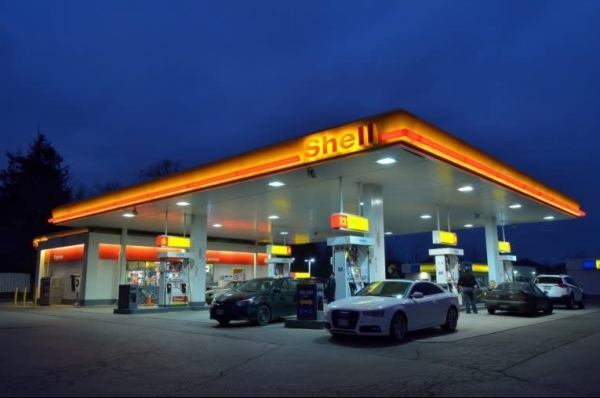
President Trump Launches Investigation into Potential Gasoline Price Gouging
In a move that has captured significant attention, President Donald Trump has officially ordered an investigation into whether retail gasoline stations are engaging in unreasonable price increases. This important announcement was made by the President on social media, drawing considerable interest from both media outlets and the global energy market.
Background of the Investigation
President Trump's directive comes amid notable fluctuations in gasoline prices across the United States in recent months. Gasoline prices in many states have risen to levels higher than those of the same period last year, causing consumer frustration and raising questions about market transparency.
In his social media announcement, President Trump stated: "We are closely monitoring gasoline prices in the United States. Americans should not have to pay more than necessary. I have immediately ordered an investigation to determine if there is any evidence of unreasonable price increases."
Details of the Investigation
According to the White House announcement, the investigation will focus on several key areas:
- The conduct of oil companies and retail gasoline stations
- Factors influencing gasoline prices in different regions
- Compliance with antitrust and competition regulations
- Transparency in the disclosure of production and distribution costs
The U.S. Department of Justice and the Federal Trade Commission (FTC) will be responsible for conducting this investigation with broad authority to gather information from companies within the oil industry.
Reactions from the Market and Stakeholders
Following President Trump's announcement, U.S. stock markets experienced certain fluctuations, particularly in energy sector stocks. Major oil companies such as ExxonMobil, Chevron, and BP all saw slight declines in their stock prices during the trading session after the information was made public.
However, industry associations representing the gasoline and oil sector have denied allegations of intentionally inflating prices. Mr. Mark Johnson, spokesperson for the American Petroleum Institute (API), commented: "Gasoline prices are influenced by numerous factors such as crude oil prices, production costs, taxes, and geographical considerations. We always comply with the law and engage in healthy competition."
Comparison of Gasoline Prices Across Regions
To illustrate the variation in gasoline prices across different regions in the United States, the following table provides the most current data:
| Region | Average Gasoline Price (USD/gallon) | Change from Previous Month | Change from Same Period Last Year |
|---|---|---|---|
| California | 4.52 | +0.08 | +0.32 |
| 3.18 | -0.05 | +0.15 | |
| Florida | 3.45 | +0.03 | +0.21 |
| New York | 3.78 | +0.06 | +0.28 |
| National Average | 3.52 | +0.02 | +0.22 |
Analysis of Factors Influencing Gasoline Price Fluctuations
Gasoline prices in the United States are influenced by numerous complex factors:
- Global crude oil prices: Fluctuations in Brent and WTI oil prices in international markets
- Domestic production policies: OPEC+ decisions on oil output
- Refining costs: Operating expenses for refineries
- Taxes and fees: Federal, state, and local taxes
- Distribution costs: Transportation and storage expenses
- Seasonal factors: Increased demand during summer and travel seasons
History of Gasoline Price Investigations in the U.S.
This is not the first time the U.S. government has conducted investigations into gasoline prices. In the past, numerous similar investigations have been undertaken:
| Year | Administration | Key Findings |
|---|---|---|
| 2000 | Clinton | No evidence of price collusion found |
| 2005-2006 | George W. Bush | Found some non-transparent practices but no legal violations |
| 2011-2012 | Obama | No evidence of price manipulation discovered |
| 2018 | Trump (first term) | Investigation launched but no final conclusions reached |
Potential Impacts
President Trump's investigation could have several potential impacts:
- For consumers: If violations are found, consumers may receive compensation and gasoline prices could decrease
- For the oil industry: Companies could face significant fines and requirements to change business practices
- For the U.S. economy: Lower gasoline prices could help contain inflation and increase consumer purchasing power
- For the energy market: Could lead to stricter new regulations
Expert Opinions
Professor David Miller, energy economics expert at Stanford University, commented: "Gasoline prices are influenced by numerous market factors. However, the investigation is necessary to ensure transparency and healthy competition. I hope this investigation will clarify the actual factors affecting gasoline prices."
Conversely, Ms. Jennifer White, market analyst from the Energy Research Institute, stated: "Government intervention in the energy market could create unintended consequences. Prices should be determined by supply and demand, not by political decisions."
Future Outlook
The investigation is expected to last several months, with preliminary reports likely to be released within 30-45 days. During this period, U.S. gasoline prices may continue to fluctuate based on normal market factors.
Energy market analysts predict that regardless of the investigation's outcome, U.S. gasoline prices are likely to continue rising slightly in the coming months due to increased summer demand and geopolitical factors in the Middle East.
For American consumers, monitoring the progress of the investigation and understanding the factors affecting gasoline prices is crucial for making informed purchasing decisions in the current economic context.