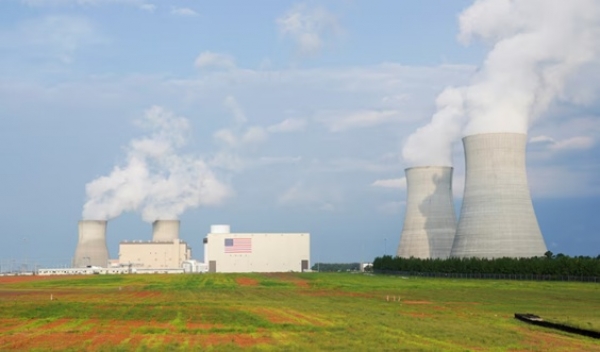
United States Announces Record $17.5 Billion Loan to Advance Nuclear Energy Development
In a significant move bolstering the nation's clean energy infrastructure, the United States Department of Energy officially announced a conditional loan commitment of $17.5 billion on June 24. This substantial financial package is designed to support utility and energy companies in procuring essential components necessary to strengthen and revitalize America's commercial nuclear supply chain.
The announcement comes at a critical juncture in the global energy transition, as nations worldwide seek reliable, low-carbon power sources to combat climate change while maintaining energy security. The loan represents one of the largest federal investments in nuclear energy in recent decades, highlighting the Biden administration's commitment to diversifying the clean energy portfolio beyond renewables alone.
Strategic Objectives Behind the Loan Initiative
The loan program is strategically positioned within the broader context of the United States' ambitious climate goals and energy independence objectives. By targeting the nuclear energy sector, the government aims to address several pressing challenges simultaneously:
- Reducing carbon emissions from the power sector
- Modernizing aging nuclear infrastructure
- Strengthening domestic manufacturing capabilities
- Positioning the U.S. as a leader in advanced nuclear technologies
- Ensuring grid reliability and resilience
According to Department of Energy officials, the selected companies will be responsible for utilizing these funds to invest in next-generation nuclear technologies, enhance production efficiency, and establish more resilient and sustainable supply chains. The emphasis on supply chain development is particularly noteworthy, as it addresses a critical vulnerability in the current nuclear energy ecosystem.
Detailed Loan Provisions and Eligibility
The $17.5 billion loan commitment is structured as a conditional loan, meaning final disbursement is contingent upon companies meeting specific requirements and milestones. This structured approach ensures that the funds are used effectively and achieve the intended policy objectives.
| Loan Parameter | Specification |
|---|---|
| Total Loan Amount | $17.5 billion |
| Issuing Authority | U.S. Department of Energy |
| Loan Type | Conditional loan commitment |
| Primary Beneficiaries | Electric utility companies and energy enterprises |
| Permitted Uses | Procurement of nuclear components, technology upgrades, supply chain development |
| Announcement Date | June 24, 2023 |
| Application Deadline | To be determined |
Addressing Challenges in the Nuclear Energy Sector
The nuclear power industry in the United States has faced numerous challenges in recent years, including intense competition from increasingly cost-competitive renewable energy sources, public concerns about safety, and the economic viability of existing plants. Additionally, the nuclear supply chain has become fragile, with many specialized manufacturers having exited the market or consolidated operations.
Industry analysts have welcomed the loan initiative as a timely intervention that could help reverse these trends. By providing substantial financial support, the government aims to:
- Reduce the levelized cost of electricity from nuclear sources through technological improvements
- Enhance the safety and efficiency of next-generation reactors
- Rebuild domestic manufacturing capabilities for nuclear components
- Extend the operational lifespans of existing nuclear facilities
- Support the development of innovative reactor designs, including small modular reactors (SMRs)
Broader Implications for U.S. Energy Policy
This loan program represents a significant component of the United States' comprehensive energy strategy, which balances immediate climate action with long-term energy security. While renewable sources like solar and wind have dominated recent clean energy investments, nuclear power offers distinct advantages as a baseload, zero-emission power source that can operate independently of weather conditions.
Energy policy experts note that the inclusion of nuclear energy in the clean energy portfolio reflects a more pragmatic approach to achieving decarbonization goals. Unlike intermittent renewables, nuclear power plants can provide consistent, around-the-clock electricity without requiring extensive energy storage solutions or backup generation capacity.
Industry Response and Future Outlook
The announcement has elicited a positive response from industry stakeholders, who view the loan as a vote of confidence in nuclear energy's future. Leading utility companies have already indicated plans to apply for portions of the loan to support their nuclear modernization initiatives.
Industry executives have emphasized that the funds will likely accelerate the development and deployment of advanced nuclear technologies, potentially bringing online new generation capacity within the next decade. The improved supply chain resulting from this investment could also position the United States to become a major exporter of nuclear technology and components in the global market.
Environmental groups have offered mixed reactions, with some organizations expressing support for nuclear power as a necessary tool in climate mitigation efforts, while others continue to advocate for a renewable-only approach to energy transition.
International Context and Competitive Positioning
The United States is not alone in its renewed focus on nuclear energy. Several countries, including China, France, and Russia, have been aggressively expanding their nuclear programs. The U.S. loan initiative can be seen as part of a broader international effort to maintain competitiveness in advanced nuclear technology development and deployment.
Energy analysts suggest that this substantial federal investment could help the United States regain its leadership position in nuclear innovation, which has been challenged by international competitors in recent years. The development of more efficient, safer, and more economical reactor designs could have significant implications for global energy markets and climate change mitigation efforts.
Economic and Environmental Benefits
Beyond the immediate impact on the nuclear industry, the loan program is expected to generate substantial economic benefits. The Department of Energy estimates that every dollar invested in nuclear energy creates approximately five to seven dollars in economic activity, considering direct, indirect, and induced effects.
From an environmental perspective, nuclear power plants generate electricity without producing greenhouse gas emissions during operation. By supporting the expansion and modernization of nuclear capacity, the loan program contributes directly to the United States' commitment to reducing carbon emissions and meeting international climate targets.
Furthermore, nuclear energy supports job creation across multiple sectors, including manufacturing, engineering, construction, and research and development. The loan is expected to support thousands of high-quality jobs, many of which will be located in regions with existing nuclear infrastructure.
Conclusion: A Strategic Investment in America's Energy Future
The $17.5 billion loan commitment from the U.S. Department of Energy represents a significant strategic investment in the nation's energy future. By strengthening the nuclear energy sector, the government is addressing multiple challenges simultaneously: reducing carbon emissions, enhancing energy security, rebuilding domestic manufacturing capabilities, and positioning the United States as a leader in advanced nuclear technologies.
As the world continues to grapple with the dual challenges of climate change and energy demand growth, nuclear power offers a proven, reliable solution that complements renewable sources. The loan program, while substantial, is just one component of a comprehensive approach to transforming the nation's energy system.
Looking ahead, the success of this initiative will depend on effective implementation, continued innovation in nuclear technology, and sustained policy support. If these elements align, the United States may well establish itself as a global leader in clean energy, with nuclear power playing a central role in achieving both environmental and economic objectives for decades to come.