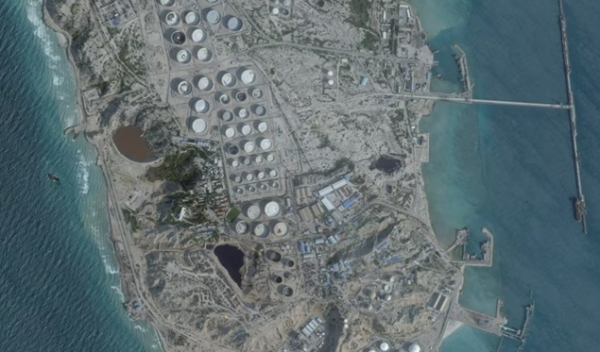
US Temporarily Permits Iran to Sell Oil in 60-Day Move
On June 22, the United States officially authorized Iran to sell oil for a 60-day period, a significant relaxation of decades-long sanctions against the Islamic Republic. This decision comes as Washington actively pursues a final peace agreement with Tehran, potentially reshaping the long-tense relationship between the two nations.
Historical Context of US-Iran Relations
The relationship between the United States and Iran has experienced numerous fluctuations since the 1979 Islamic Revolution. Tensions have been particularly high since the US withdrew from the Iran Nuclear Deal (JCPOA) in 2018 and reimposed stringent economic sanctions on Tehran. These sanctions have severely damaged Iran's economy, particularly its oil industry—the country's primary source of revenue.
Following the reinstatement of sanctions, Iran's oil exports decreased from over 2.5 million barrels per day (bpd) before 2018 to approximately 500,000 bpd currently. This has resulted in billions of dollars in losses for Iran's economy and impacted the livelihood of its citizens.
Details of the US Decision
According to information from the US Treasury Department, the temporary license allows certain countries to purchase oil from Iran within a 60-day window. This decision is part of diplomatic efforts to promote negotiations toward a new nuclear agreement or to expand the existing one.
US government sources indicate that the license focuses on countries that depend on Iranian oil and face difficulties transitioning to alternative sources. These countries include China, India, Turkey, and several Middle Eastern nations.
Summary of Countries Permitted to Buy Iranian Oil
| Country | Estimated Oil Purchase Volume (bpd) | Reason for Selection |
|---|---|---|
| China | 300,000 | Large energy demand, difficulty in rapid transition |
| India | 250,000 | Increasing demand, dependence on affordable oil |
| Turkey | 100,000 | Strategic geographical location |
| Middle Eastern Countries | 150,000 | Need to ensure energy security |
Reactions from Stakeholders
Tehran: The Iranian government welcomed the US move but remained cautious. Iran's Foreign Minister stated: "We view this as a positive step but more is needed to completely lift sanctions. We will continue negotiating to achieve a fair agreement."
Israel: Israel, America's closest ally in the Middle East, expressed concerns about the decision. The Israeli Prime Minister commented: "Relaxing sanctions on Iran could help the regime fund terrorist activities in the region. We urge the US to maintain maximum pressure on Tehran."
Saudi Arabia: Saudi Arabia, Iran's regional geopolitical rival, reacted cautiously. A high-ranking Saudi official noted: "We are monitoring the situation closely and hope that any agreement will not diminish our competitive advantage in the global oil market."
Impact on Global Energy Markets
This decision is expected to have a significant impact on global energy markets. Iran's ability to sell oil again in the short term could reduce global oil prices, particularly if Iran increases production rapidly.
However, analysts suggest the impact may not be substantial because:
- The volume of Iranian oil allowed to be sold remains limited compared to pre-sanction levels
- The 60-day period is too short for Iran to significantly increase production
- Many oil-buying countries may have already planned transitions to alternative sources
Oil Price Impact Forecast
| Scenario | Impact on Oil Price (USD/barrel) | Expected Timeframe |
|---|---|---|
| Baseline (no changes) | 80-85 | Next 3 months |
| Iran sells oil under license | 75-80 | Within 60 days |
| Comprehensive nuclear deal | 70-75 | 6-12 months ahead |
| Escalating conflict | 90-100 | Short term |
Future Prospects for US-Iran Relations
The 60-day oil authorization is seen as an important stepping stone in the negotiation process between the US and Iran. Both sides face internal pressures to reach an agreement.
For the US, re-engaging with Iran could help stabilize the Middle East and free up resources to address other security challenges. For Iran, lifting sanctions is a prerequisite for improving its economy and political stability.
However, significant barriers remain, including:
- Iran's nuclear program
- Iran's missile program
- Iran's activities in the Middle East
- Pressure from US allies like Israel and Saudi Arabia
Conclusion
The US decision to temporarily allow Iran to sell oil for 60 days is a significant step in easing tensions between the two nations. This move not only brings economic benefits to Iran but may also contribute to diplomatic efforts toward a lasting peace agreement.
Yet, the future of US-Iran relations remains uncertain. Achieving a comprehensive agreement depends on the compromise ability of both sides and regional geopolitical factors. The global energy market will continue to closely monitor developments to adjust its strategies accordingly.