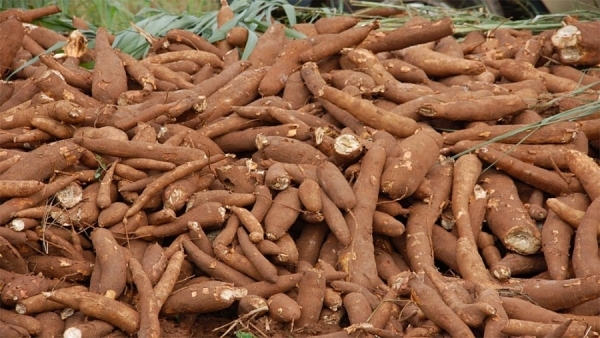
E10 Gasoline Opens Path for Consumption of Over 10.5 Million Tons of Cassava Annually
In the current economic context, finding renewable and sustainable energy sources has become a top priority for the Vietnamese Government. The recent issuance of Resolution No. 29/2026 has established a new roadmap for the development of E10 gasoline, contributing to the promotion of cassava consumption throughout Vietnam.
Content of Resolution No. 29/2026
This resolution emphasizes the implementation of several pilot policies to advance the roadmap for using E10 gasoline—a fuel blend consisting of gasoline and ethanol. The primary objectives of this policy are not only to enhance energy efficiency but also to boost the agricultural sector, particularly cassava production.
Significant Increase in Cassava Consumption
According to government information, the adoption of E10 gasoline is expected to drive the consumption of approximately 10.5 million tons of cassava annually. This impressive figure reflects the growing demand for cassava as a raw material for ethanol production.
Future Projections
Particularly, with the trend toward sustainable development and increasing energy demands, cassava consumption is projected to continue growing, reaching 12.5 million tons by 2030. This development will not only enhance the economy's export value but also create additional employment opportunities for farmers.
Advantages of E10 Gasoline
- Reduction of Greenhouse Gas Emissions: Using E10 gasoline helps decrease CO2 emissions, thereby protecting the environment.
- Enhanced Energy Security: The use of renewable fuels will reduce dependence on fossil energy sources.
- Agricultural Promotion: Creates a stable market for agricultural products, particularly cassava.
Summary Information
| Year | Cassava Consumption (Million Tons) | E10 Gasoline (Benefits) |
|---|---|---|
| 2023 | 10.5 | Reduced emissions, enhanced energy security |
| 2030 | 12.5 | Agricultural promotion, job creation |
Technical Specifications of E10 Gasoline
E10 gasoline contains 10% ethanol and 90% unleaded gasoline. The ethanol component is primarily derived from cassava, making this fuel blend particularly relevant to Vietnam's agricultural sector. The implementation of E10 represents a strategic alignment between energy needs and agricultural production, creating a circular economy where agricultural products directly contribute to energy production.
Economic Impact Analysis
The adoption of E10 gasoline is expected to generate significant economic benefits across multiple sectors. For the agricultural sector, it provides a stable market for cassava farmers, potentially improving their income and livelihoods. The energy sector benefits from reduced dependence on imported fossil fuels, enhancing national energy security. Additionally, the environmental advantages contribute to sustainable development goals while positioning Vietnam as a leader in renewable energy adoption in the Southeast Asian region.
Implementation Challenges and Solutions
Despite its benefits, the widespread adoption of E10 gasoline faces several challenges. These include the need for infrastructure modifications at fueling stations, potential compatibility issues with some vehicle models, and the requirement for consistent ethanol quality. The government's resolution addresses these challenges through targeted support programs, including subsidies for infrastructure upgrades and technical assistance for fuel producers and vehicle manufacturers.
International Context and Comparison
Globally, several countries have implemented similar ethanol-blended gasoline programs. Brazil stands as the most prominent example, with its flexible-fuel vehicles capable of running on any mixture of gasoline and ethanol up to E25. The United States also has a significant ethanol program, primarily using corn as the feedstock. Vietnam's focus on cassava-based E10 represents a unique approach, leveraging the country's agricultural strengths while addressing energy security concerns.
Conclusion
With the information presented, E10 gasoline is not merely a new fuel type but represents a significant advancement in Vietnam's sustainable economic development. The government's supportive policies will serve as a powerful impetus for the future development of both the cassava and renewable energy sectors. This initiative demonstrates how strategic policy decisions can simultaneously address environmental concerns, support agricultural development, and enhance national energy security—creating a model for sustainable development that other nations may seek to emulate.