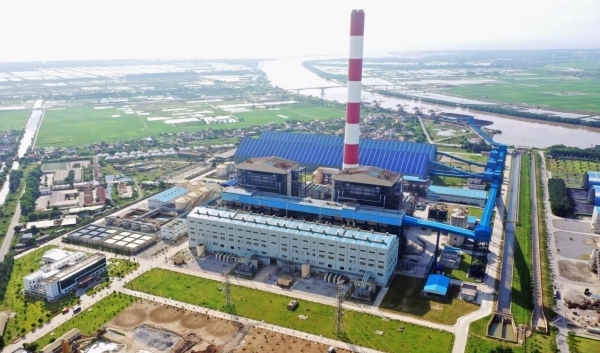
Electricity Supply Challenges and System Optimization Solutions During Peak Season
In the context of socio-economic recovery and development, electricity demand in Vietnam continues to rise, particularly during peak seasons. On June 22nd, the seminar "Saving Electricity During Peak Seasons: Responsibilities and Solutions" organized by the Government Portal focused on discussing challenges in ensuring electricity supply and system optimization solutions. At the event, Mr. Dang Hai Dung, Deputy Director General of the Department of Innovation, Green Transition and Industrial Promotion under the Ministry of Industry and Trade, highlighted the significant risks facing the energy sector today.
Challenges from Global Geopolitical Instability
According to Mr. Dang Hai Dung, the biggest risk to the energy sector currently stems from geopolitical instability worldwide. Political conflicts, particularly in major energy production and transportation regions, have directly impacted the global coal, oil and gas supply chains and energy markets.
Mr. Dung emphasized: "Geopolitical instability not only increases fuel prices but also disrupts supply sources, directly affecting Vietnam's power generation operations. In this context, diversifying energy sources and accelerating the transition to renewable energy are urgent solutions."
Impact on Energy Supply Chains
Global energy supply chain disruptions have created numerous challenges for Vietnam's electricity sector:
- High prices of imported coal and gas, creating significant pressure on electricity production costs
- Unpredictable fluctuations in the oil market affecting the operation of oil-fired power plants
- Challenges in ensuring coal supply for thermal power plants
- Energy security risks due to excessive dependence on imported fuel sources
Solutions Proposed at the Seminar
At the seminar, experts and delegates proposed various solutions to ensure energy security and optimize the system during peak seasons:
| Short-term Solutions | |
|---|---|
| Power System Operation Optimization | Rational allocation of resources, adjustment of electricity production schedules, prioritization of renewable energy sources when available |
| Strengthening Energy Conservation | Implementation of energy conservation programs in production and consumption, especially in industrial zones and large electricity consumers |
| Ensuring Coal Supply | Enhanced coordination with domestic coal mining enterprises and diversification of import sources |
| Long-term Solutions | |
|---|---|
| Green Energy Transition | Accelerating the development of renewable energy sources, particularly solar and wind power |
| Modernizing the Power Grid | Investment in upgrading transmission and distribution grids, applying digital technologies for more efficient management |
| Improving Energy Use Efficiency | Promoting the application of energy-saving technologies in production and consumption |
Green Transition - A Strategic Solution
Mr. Dang Hai Dung emphasized that the green transition is not just a trend but a strategic solution to ensure long-term energy security. The Department of Innovation, Green Transition and Industrial Promotion is focusing on implementing programs to support enterprises in transitioning to green, energy-efficient production models.
"We are promoting energy transition initiatives in industrial zones, developing circular economy, and applying new energy technologies. This not only helps reduce dependence on fossil fuels but also contributes to greenhouse gas emission reduction," Mr. Dung shared.
Practical Electricity Saving Solutions
In addition to system-level solutions, the seminar also proposed many practical electricity saving solutions that can be implemented immediately:
- In Production: Using high-efficiency motors, energy-saving LED lighting systems, optimizing production processes to reduce electricity waste.
- In Construction: Applying green building standards, using thermal insulation materials, designing architecture to maximize natural light and natural ventilation.
- In Daily Life: Replacing electrical appliances with energy-efficient models, turning off devices when not in use, adjusting air conditioning temperatures appropriately.
Vision for 2030
According to Vietnam's national energy development roadmap, the country aims to increase the proportion of renewable energy to 15-20% of total electricity output by 2030. To achieve this goal, synchronized solutions from multiple areas are needed:
| Indicator | 2025 | 2030 |
|---|---|---|
| Solar power proportion | 12% | 20% |
| Wind power proportion | 8% | 12% |
| Biomass power proportion | 3% | 5% |
| Electricity saving rate | 5-7% | 8-10% |
Conclusion
Facing electricity supply challenges during peak seasons, combining short-term and long-term solutions is essential. While promoting electricity conservation and optimizing the current system, Vietnam needs to quickly transition to a sustainable energy model with a higher proportion for renewable energy.
Mr. Dang Hai Dung affirmed: "The green transition is not just an immediate solution but also a long-term strategy to ensure energy security and sustainable development. The joint effort of the entire political system, businesses, and people is needed to successfully achieve these goals."