China Strengthens Indium Export Controls as AI Chip Demand Surges
Ho Chi Minh City - China has begun tightening inspections on indium export shipments - a crucial element in high-speed chip production, particularly for AI chips. This decision comes amid a global surge in demand for artificial intelligence technology, potentially causing significant shifts in the global technology supply chain.
Indium: A Strategic Element in High-Tech
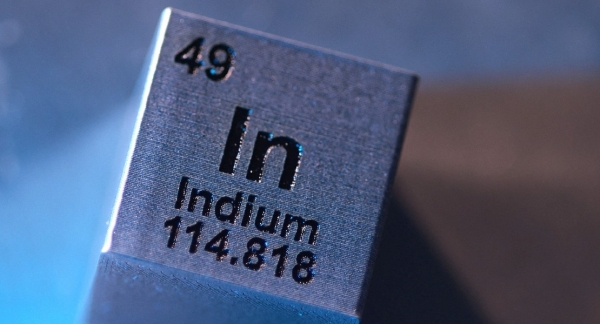
Indium is a chemical element with the symbol In and atomic number 49. It's a soft, malleable metal with a silvery-white appearance, discovered in 1863. Indium possesses unique properties such as excellent electrical and thermal conductivity, corrosion resistance, and the ability to form compounds with many other metals.
In technology, indium is primarily used to produce indium tin oxide (ITO) - a critical material in touchscreens, LCD and OLED displays. Recently, indium has also played a vital role in high-speed chip and AI chip production due to its superior electrical conductivity and stability at high temperatures.
Details on China's Export Control Measures
China is the world's largest producer of indium, accounting for approximately 60% of global production. In August 2023, China began tightening inspections on indium export shipments, according to announcements from export companies and customs authorities. This decision was made against the backdrop of rapidly increasing demand for AI chips and high-speed electronic devices, leading to a global supply shortage of indium.
These controls include stricter documentation requirements, extended inspection times, and new regulations on export quotas. Industry sources indicate that the current inspection process can now take up to 30 days, compared to the previous 7-10 days.
Reasons Behind the Decision
- Increasing domestic demand for chip and electronic device production
- Technology self-sufficiency goals amid trade tensions with the US
- Maintaining reasonable domestic raw material prices
- Increasing the value-added of exported products
Impact on the Global Technology Industry
China's indium export controls could pose significant challenges for global chip and electronics manufacturers, particularly American, European, and Japanese companies. Indium is an essential component in high-speed chip and AI chip production, so export restrictions could slow production schedules and increase costs.
Analysts forecast that indium prices could rise by 30-50% in the coming months, creating pressure on technology companies. Some companies have already begun seeking alternative sources, but replacing indium with other elements in high-speed chip production still faces considerable technical challenges.
Industry Reactions
Major technology corporations such as Samsung, TSMC, and Intel have expressed concerns about these developments and are seeking alternative supply sources. Some companies have begun building indium inventories to cope with potential shortages.
According to Mr. Nguyen Van An, market analyst from the Vietnam Institute of Technology Research: "China's control over indium exports will create waves of change in the global technology supply chain. Companies will need to invest more in researching alternative materials and diversifying their supply sources."
In-Depth Analysis of the Indium Market
Here is an overview of the global indium market:
| Criteria | Data | Trend |
|---|---|---|
| Global production | ~1,000 tons/year | Stable |
| China's production | ~600 tons/year (60%) | Slight increase |
| Average price | ~150-200 USD/kg | Increasing |
| Main applications | Touchscreens (40%), High-speed chips (30%), Solar panels (20%), Other applications (10%) | Shifting toward high-speed chips |
| Expected demand | Increasing 15-20%/year | Strong growth |
Future Outlook
In the medium to long term, China's indium export controls could drive the development of alternative sources and new technologies using less indium. Countries like South Korea, Japan, and the US are investing in research into ITO alternatives and chip applications that use less indium.
However, completely replacing indium in high-tech applications still faces many challenges. Meanwhile, China may continue to use indium as a diplomatic tool, especially amid trade and technology tensions with the US.
Alternative Solutions Being Researched
- Graphene - a conductive material with potential to replace ITO
- Carbon nanotubes - applications in displays and sensors
- Perovskite - new material for solar panels and displays
- Reduced-indium alloys - using less indium while maintaining properties
Conclusion
China's tightening of indium export controls is a move that could cause significant changes in the global technology supply chain. In the short term, it may lead to shortages and drive up indium prices. However, in the long term, it could spur innovation and the development of new technologies that reduce dependence on a single supply source.
Global technology companies need strategies to diversify supply sources and invest in alternative materials research to address these challenges. The shift in the indium supply chain could present opportunities for other countries to develop their own high-tech raw material production industries.