Russia Faces Severe Fuel Shortage in Moscow Amidst Geopolitical Tensions
In a striking turn of events, Russia—one of the world's largest producers and exporters of oil—is grappling with a significant fuel shortage directly affecting its capital, Moscow. Following months of successful Ukrainian strikes on Russian oil infrastructure, fuel scarcity has begun to manifest, forcing major fuel retailers to implement sales restrictions while authorities attempt to maintain supply stability.
Current Crisis Situation
The fuel shortage stems from persistent attacks on refineries and fuel infrastructure, severely impacting Russia's refining capabilities. The most recent incident occurred this week when Ukraine targeted the Gazprom Neft refinery in Moscow, which supplies approximately 40% of the fuel consumed in the Russian capital. This attack comes as part of an ongoing campaign that has systematically degraded Russia's fuel production capacity.
| Refinery | Daily Capacity | Status |
|---|---|---|
| Gazprom Neft Moscow Refinery | 40% of Moscow's supply | Currently under attack |
| Tatneft's Taneco Refinery | 600,000 barrels/day | Compromised |
Market Impact Analysis
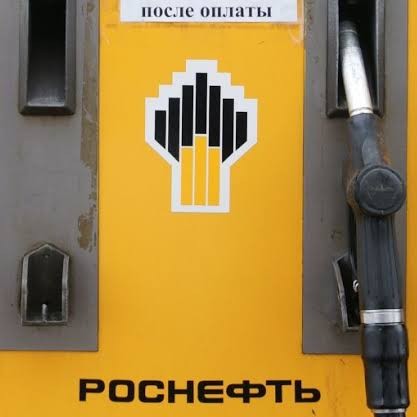
According to Russian media reports, the Moscow refinery incident combined with damage to Tatneft's Taneco facility has reduced Russia's total refining capacity by approximately 600,000 barrels per day. Stations operated by major retailers including Rosneft, Lukoil, and Tatneft have begun implementing purchase limits. Fuel prices have risen consecutively for five weeks, currently increasing at twice the rate of inflation, creating additional economic pressure on consumers.
| Economic Indicator | Current Status | Projected Trend |
|---|---|---|
| Fuel Prices | 5 weeks of consecutive increases | Continued upward pressure |
| Refining Capacity | 600,000 bpd reduction | Recovery uncertain |
| Retail Availability | Purchase limits implemented | Expected to tighten |
Kremlin's Response Measures
The Russian government has responded with familiar tactics: lowering fuel quality standards, redirecting supplies to priority consumers, and restricting exports. Russia has imposed a ban on gasoline exports until the end of July in an effort to maintain domestic fuel availability. These measures, while potentially addressing immediate shortages, may have long-term consequences for Russia's position in global energy markets.
Production Reality Check
While Russia continues to pump millions of barrels of crude oil daily, the current challenge lies in transforming this crude into usable fuel following attacks on refining infrastructure. For decades, Russia has been recognized as an energy superpower, supplying crude oil, gasoline, diesel, and natural gas to customers worldwide. However, the country is now reportedly importing gasoline from Western ports via Asia while implementing rationing of fuel sales in Moscow—a significant reversal for a nation traditionally dependent on energy exports.
Geopolitical Implications
Ukraine's drone campaign appears to be exposing the vulnerability of even the world's largest energy exporters when refining capacity sufficient to meet domestic demand is compromised. This situation not only impacts Russia's economy but could also have ripple effects on global energy markets in the coming months. The disruption highlights how modern warfare can target critical infrastructure, creating cascading effects beyond traditional battlefield engagements.
Expert Analysis
Energy analysts note that Russia's current predicament represents a significant strategic challenge. The country's extensive refining network, once considered a strategic asset, has become a liability in the context of asymmetric warfare. The inability to protect these facilities has forced Russia into a position where it must either significantly enhance security measures or face persistent fuel shortages that could undermine both domestic stability and export capabilities.
Future Outlook
The resolution of this crisis remains uncertain. While Russia may eventually restore damaged refining capacity, the pattern of attacks suggests that this vulnerability will persist in the medium term. The situation underscores the evolving nature of energy security in conflict zones and may prompt other energy-exporting nations to reassess their infrastructure protection strategies in an era of increasingly sophisticated drone warfare.