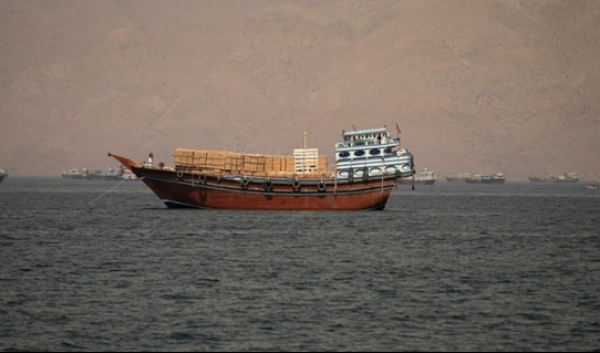
U.S. Considers Shipping Tolls Through Strait of Hormuz Amid Rising Middle East Tensions
In a move that could reshape global maritime trade dynamics, the United States government is actively exploring the possibility of imposing transit fees on vessels passing through the strategically vital Strait of Hormuz. This proposal emerges amid escalating tensions in the Middle East region, particularly involving Iran and Western powers, potentially altering the geopolitical landscape of one of the world's most critical waterways.
The consideration of such fees represents a significant shift in U.S. policy toward maritime security and international trade routes. If implemented, this measure could have far-reaching consequences for global energy markets, international shipping industries, and diplomatic relations across multiple continents.
The Strategic Importance of the Strait of Hormuz
The Strait of Hormuz serves as a maritime chokepoint connecting the Persian Gulf with the Gulf of Oman and, subsequently, the Arabian Sea. This narrow passage, approximately 21 miles wide at its narrowest point, is one of the most critical shipping lanes in the world, facilitating the transportation of approximately 20% of globally traded crude oil and significant volumes of liquefied natural gas (LNG).
Major oil producers including Saudi Arabia, Iraq, Kuwait, the United Arab Emirates, and Iran rely heavily on this strait for their energy exports. Disruptions to maritime traffic through Hormuz can trigger immediate fluctuations in global oil prices, affecting economies worldwide.
The strait's strategic significance has made it a focal point of geopolitical tensions for decades. In recent years, increased naval deployments by both U.S. and Iranian forces, alongside occasional incidents involving commercial vessels, have heightened concerns about potential conflicts that could disrupt global energy supplies.
Details of the Proposed Transit Fee System
According to sources within the U.S. administration, the proposed fee system would target commercial vessels, particularly oil tankers, passing through the strait. The revenue generated would ostensibly fund enhanced naval patrols and security measures aimed at protecting commercial shipping from potential threats, including piracy, terrorism, and state-sponsored interference.
While specific fee structures have not been publicly disclosed, discussions reportedly consider a tiered system based on vessel size, type, and cargo volume. Larger oil tankers and vessels carrying high-value cargo would likely face higher fees than smaller commercial vessels.
The U.S. government frames this proposal as a necessary measure to address the growing costs associated with maintaining maritime security in the region. However, critics argue that such fees would constitute an unprecedented imposition on international waters and could violate long-standing principles of freedom of navigation.
International Reactions to the Proposal
- Iran: Tehran has vehemently opposed the proposed fee system, describing it as an illegal attempt to control international waters and exert economic pressure. Iranian officials have warned that such measures could be viewed as acts of hostility and might prompt retaliatory actions, including potential disruptions to shipping through the strait.
- Gulf Cooperation Council (GCC) Nations: While some U.S. allies in the region have expressed private concerns about the proposal, others have remained cautiously supportive. Saudi Arabia and the UAE have acknowledged the need for enhanced maritime security but have not explicitly endorsed the fee system, preferring diplomatic solutions to regional tensions.
- European Union: EU officials have expressed reservations about the unilateral implementation of such fees, emphasizing the importance of maintaining freedom of navigation and avoiding actions that could further destabilize the region. The bloc has called for international consensus on maritime security matters.
- Russia and China: Both nations have criticized the proposal as an overreach of U.S. authority in international waters. Moscow and Beijing have emphasized the need for multilateral approaches to maritime security, suggesting that unilateral actions could exacerbate tensions.
- Shipping Industry: International shipping associations have raised concerns about the potential economic impact of transit fees, particularly on already strained profit margins. Industry representatives have called for comprehensive impact assessments before any implementation.
Potential Economic Implications
The implementation of transit fees through the Strait of Hormuz would have immediate and significant economic consequences across multiple sectors:
For oil-producing nations, the increased transportation costs could reduce the competitiveness of their exports in global markets. This effect would be particularly pronounced for countries with less efficient refining infrastructure or those already facing economic challenges.
Consumers in oil-importing nations could face higher energy prices as increased transportation costs are passed through the supply chain. The extent of this impact would depend on the magnitude of the fees and the duration of their implementation.
The international shipping industry would experience increased operational costs, potentially leading to higher freight rates across global trade routes. This could affect the prices of a wide range of commodities and manufactured goods, contributing to inflationary pressures in various economies.
Global financial markets would likely react to the announcement and potential implementation of such fees, with energy stocks experiencing increased volatility and currency markets adjusting based on anticipated trade impacts.
Geopolitical Ramifications
The proposal to impose transit fees through the Strait of Hormuz occurs within the broader context of U.S.-Iran tensions and competing regional influence in the Middle East. This move could potentially:
- Strengthen U.S. leverage in negotiations with Iran and other regional actors
- Escalate existing tensions with Iran, potentially leading to retaliatory measures
- Strain relations with U.S. allies in the region who may view the move as unilateral
- Accelerate efforts by China and Russia to expand their naval presence in the region
- Increase competition for alternative trade routes, potentially boosting investment in infrastructure projects like the International North-South Transport Corridor
Comparative Analysis of Potential Responses
| Stakeholder | Potential Response | Impact Level |
|---|---|---|
| United States | Implementation of fee system with enhanced naval patrols | High |
| Iran | Diplomatic protests, potential disruption of shipping, military exercises | High |
| GCC Nations | Cautious support, diplomatic mediation efforts | Medium |
| European Union | Call for international dialogue, potential diplomatic initiatives | Medium |
| China & Russia | Increased naval presence, alternative trade route development | Medium |
| Shipping Industry | Route diversification, cost absorption or pass-through to consumers | High |
Historical Context and Precedents
The proposal to impose transit fees through international straits does not exist in a vacuum. Historically, several maritime chokepoints have experienced similar considerations, though rarely implemented:
The Suez Canal has long operated with transit fees, established through international agreements and maintained by the Egyptian government. However, this represents a territorial waterway rather than an international strait like Hormuz.
The Malacca Strait, another critical shipping lane, has seen discussions about international security cooperation but has avoided unilateral fee imposition. Instead, regional nations have collaborated on security arrangements without charging transit fees.
The U.S.-led coalition that protected shipping lanes during the Iran-Iraq War in the 1980s established temporary practices but did not implement permanent fee structures. This historical precedent suggests that while security concerns persist, the imposition of transit fees would represent a significant departure from established norms.
Legal and Diplomatic Considerations
The proposal raises complex questions under international maritime law. The United Nations Convention on the Law of the Sea (UNCLOS), while not universally ratified, establishes principles of freedom of navigation through international straits that could conflict with unilateral fee imposition.
Diplomatic channels would likely become critical in addressing this proposal. The United Nations Security Council might be called upon to consider the matter, particularly if tensions escalate between the U.S. and Iran.
Regional maritime security initiatives, such as the Combined Maritime Forces operating in the region, could serve as forums for developing alternative approaches that address security concerns without resorting to transit fees.
Future Scenarios and Potential Outcomes
Several potential scenarios could emerge from the current situation:
In the most optimistic scenario, the proposal could lead to enhanced international cooperation on maritime security, with fees established through multilateral agreements and revenues distributed equitably among contributing nations.
In a more likely scenario, the U.S. might proceed with unilateral implementation, leading to Iranian countermeasures and increased regional tensions. This could result in sporadic disruptions to shipping through the strait, causing temporary spikes in oil prices.
In the most pessimistic scenario, the imposition of transit fees could trigger a broader conflict involving multiple regional actors, potentially leading to sustained disruptions in energy supplies and significant economic repercussions worldwide.
Conclusion and Expert Analysis
The consideration of transit fees through the Strait of Hormuz represents a potentially transformative development in international maritime policy and Middle East geopolitics. While the stated aim of enhancing maritime security is legitimate, the unilateral implementation of such fees could set dangerous precedents and exacerbate existing tensions.
Maritime security experts suggest that alternative approaches, including expanded international cooperation, enhanced information sharing, and diplomatic initiatives to address underlying tensions, might achieve security objectives without resorting to economically disruptive measures.
As the situation continues to develop, stakeholders across the international community will be watching closely. The outcome of this proposal could not only determine the future of maritime security in one of the world's most critical waterways but also set important precedents for international cooperation in managing global commons.
Ultimately, the path chosen will require careful balancing of security imperatives with economic realities and international legal obligations, with the potential to shape geopolitical dynamics in the Middle East for years to come.