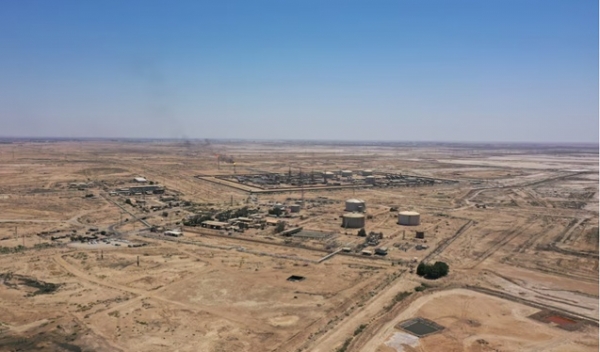
Iraq đột phá chiến lược đa dạng hóa tuyến đường xuất khẩu dầu

Iraq's Strategic Diversification: Expanding Oil Export Routes Through Syria

In a significant development reshaping the Middle Eastern energy landscape, Iraq is implementing strategic measures to diversify its oil export infrastructure by establishing new routes through Syrian ports. This ambitious initiative comes as Iraq seeks to overcome persistent challenges in its energy export capabilities while navigating the complexities of regional geopolitics. According to officials from Iraq's energy ministry and Syrian authorities, as well as information obtained from refinery sources, the country is preparing to export both crude oil and naphtha through Syrian coastal facilities, marking a pivotal shift in its export strategy.


Background: Iraq's Oil Export Challenges

As one of the world's largest oil producers, Iraq has long grappled with infrastructure limitations that have constrained its export capacity. The country's primary export routes have traditionally relied on the Persian Gulf, with terminals like Basra and Khor al-Amaya handling the majority of its oil shipments. However, these routes have faced persistent challenges:


  • Geographic constraints: The southern routes require extensive transit through the Persian Gulf, exposing shipments to potential maritime bottlenecks and security concerns.
  • Capacity limitations: Existing infrastructure often operates at or near maximum capacity, limiting Iraq's ability to increase production and export volumes.
  • Political vulnerabilities: Dependence on neighboring countries for transit has created diplomatic complications and occasional disruptions.

The International Energy Agency (IEA) estimates that Iraq holds the world's fifth-largest proven oil reserves, with approximately 145 billion barrels. Despite this abundance, the country has struggled to maximize its export potential due to these infrastructure and geopolitical limitations.


The Syrian Export Route: Technical Specifications

The new export route through Syrian ports represents a comprehensive solution to Iraq's export challenges. While specific implementation timelines remain undisclosed, industry sources suggest that preliminary infrastructure preparations are already underway.


  • Strategic objectives: This initiative aims to reduce Iraq's dependence on traditional export routes while opening new access to European and Mediterranean markets.
  • FeatureSpecification
    Export ProductsCrude oil and Naphtha
    Primary Syrian PortsTartous, Latakia, and Baniyas
    Proposed Pipeline CapacityInitial: 300,000 barrels per day (bpd)
    Projected ExpansionPotential increase to 600,000 bpd

    The planned infrastructure includes the rehabilitation of existing pipelines connecting Iraqi oil fields to Syrian ports, with particular focus on the Kirkuk-Baniyas pipeline. This historic pipeline, which fell into disrepair during years of conflict, is now being revitalized to support the new export strategy.


    Geopolitical Implications

    The decision to utilize Syrian ports for oil exports carries significant geopolitical ramifications. This move aligns Iraq with regional powers that have maintained relations with Syria throughout its civil conflict, potentially reshaping diplomatic dynamics in the Middle East.


    From Iraq's perspective, this diversification represents a pragmatic approach to energy diplomacy. By establishing multiple export routes, Iraq reduces its vulnerability to political pressures from any single neighboring country while expanding its international partnerships. The Syrian route offers a direct path to Mediterranean markets, bypassing the Strait of Hormuz—a strategically sensitive chokepoint through which a significant portion of global oil shipments pass.


    The development also reflects a broader trend in Middle Eastern energy geopolitics, as countries increasingly seek to diversify their export infrastructure beyond traditional routes. This shift is particularly significant given the growing competition in global energy markets and the evolving alliances in the region.


    Economic Impact and Market Dynamics

    The introduction of Iraqi oil through Syrian ports is poised to create ripples across global energy markets. The Mediterranean market, which has traditionally relied on North African and Russian supplies, will gain access to a significant new source of Iraqi crude. This increased supply could influence pricing dynamics in the region and potentially affect global oil benchmarks.


    For Iraq, the economic benefits are substantial:


    • Export revenue enhancement: By expanding export capacity, Iraq can increase production volumes and boost government revenues, which are heavily dependent on oil sales.
    • Market diversification: Access to European markets through Mediterranean ports offers Iraq the opportunity to diversify its customer base beyond traditional Asian buyers.
    • Transportation cost reduction: Shorter shipping distances to European markets compared to routes through the Indian Ocean and Suez Canal could reduce transportation costs by an estimated 15-20%.

    The development may also influence regional refining patterns. Syrian refineries, which have operated below capacity in recent years, could benefit from increased throughput, while European refiners may gain access to a new competitive crude source.


    Implementation Challenges and Risks

    Despite the strategic advantages, the Syrian export route presents significant challenges that must be addressed:


  • Political instability: The ongoing conflict in Syria, while diminished, continues to pose security risks to infrastructure and personnel.
  • International sanctions: Western sanctions on Syria may complicate financial transactions and insurance for oil shipments.
  • Infrastructure limitations: Syrian ports and pipeline networks require substantial rehabilitation to handle increased volumes.
  • Industry analysts suggest that a phased approach to implementation would be prudent, beginning with smaller test shipments to establish operational viability before scaling up to full capacity. This approach would allow for troubleshooting challenges while minimizing financial exposure.


    Regional Energy Integration

    The Syrian export route could potentially serve as a catalyst for broader regional energy integration. If successful, this initiative might inspire similar cross-border cooperation projects in the Middle East, creating more interconnected energy markets and infrastructure networks.


    The development aligns with Iraq's broader strategy to position itself as a central energy hub in the Middle East. By establishing multiple export routes, Iraq could potentially offer transit services to neighboring countries, further strengthening its regional influence and economic position.


    Additionally, the Syrian route could facilitate the development of associated industries such as petrochemicals and refining. Increased oil flows through Syrian ports might encourage investment in downstream industries, creating economic opportunities and employment in both countries.


    Environmental Considerations

    While the economic and geopolitical benefits are significant, the environmental implications of expanding oil export infrastructure must be carefully considered. The rehabilitation and operation of pipelines and port facilities carry inherent environmental risks, including potential spills and leaks.


    International environmental standards and best practices should be incorporated into the planning and execution of this project. This includes implementing robust monitoring systems, emergency response protocols, and regular maintenance schedules to minimize environmental impact.


    Future Outlook and Long-term Implications

    The successful implementation of the Syrian export route could transform Iraq's position in global energy markets. By diversifying its export infrastructure, Iraq would gain greater flexibility in responding to market fluctuations and geopolitical developments.


    In the long term, this initiative might inspire similar diversification efforts by other oil-producing nations facing comparable challenges. The Middle East, despite its abundant energy resources, has increasingly recognized the need for resilient, diversified export infrastructure in an evolving global energy landscape.


    As the energy transition progresses, with growing emphasis on renewable energy sources, oil-exporting countries like Iraq are seeking to maximize returns on their hydrocarbon resources during the transition period. The Syrian export route represents a strategic investment to ensure continued market relevance and revenue generation in the coming decades.


    Conclusion

    Iraq's decision to diversify its oil export routes through Syrian ports represents a significant strategic shift with far-reaching implications for regional geopolitics and global energy markets. While the initiative faces substantial challenges related to political instability, infrastructure limitations, and financial constraints, the potential benefits—including increased export capacity, market diversification, and reduced transportation costs—are compelling.


    As implementation progresses, the success of this project will depend on careful planning, international cooperation, and adaptive management of emerging challenges. If successful, the Syrian export route could establish Iraq as a more resilient and flexible player in global energy markets while potentially fostering greater regional integration and economic development.


    In the broader context of Middle Eastern energy geopolitics, this initiative reflects a pragmatic approach to navigating complex regional dynamics while pursuing economic interests. As the global energy landscape continues to evolve, Iraq's strategic diversification may serve as a model for other resource-rich nations seeking to enhance their market position and economic resilience.

    2026 科技石油与天然气知识生态系统

    #科技石油 #石油天然气 #能源 #OilGas #LNG #交易 #项目管理 #风险管理 #石油工程师

    🤔 如果将原油交易、LNG、衍生品、风险管理、EPC项目管理、储罐、生物燃料和环境事故处理的所有知识整合为一个开放的中文生态系统,这对工程师、投资者和能源企业会有多大价值?
    科技石油正在逐步构建一个专注石油、能源和基础设施的专业知识生态系统,旨在成为能源领域工程师、学生、项目经理、大宗商品交易员和企业的开放式参考图库。
    目前,该生态系统包含多个涵盖特定领域的专业深度网站:
    原油交易手册

    国际原油市场数据库、交易流程、合同类型、风险管理和实战经验。

    石油市场数据中心

    提供全球石油市场数据、油价、供需、产量、OPEC+、石油库存及能源地图。

    国际原油登记册

    按IOM标准分类的全球原油数据库,包括API比重、硫含量、粘度和产量特性。

    原油登记册 (越南语版)

    国际原油数据库的越南文版本,协助工程师和企业轻松查询技术信息。

    LNG 手册

    专注于液化天然气 (LNG) 技术、价值链、运输、储存、再气化及市场。

    国际 LNG 价格

    跟踪 Henry Hub、JKM、TTF 等主要枢纽及全球主要 LNG 进口市场的价格。

    EIA LNG 数据

    汇总美国能源信息署 (EIA) 的 LNG 数据,包括进出口、产量、库存及趋势。

    生物燃料与乙醇

    提供有关乙醇、E5、E10、生物燃料、生产技术及绿色能源转型趋势的知识。

    EPC 项目管理

    石油和天然气项目管理知识库,涵盖 EPC、PMO、WBS、EVM、进度、成本及风险控制。

    能源风险管理

    深入探讨套期保值、油气电价格风险管理及支持能源企业的金融工具。

    能源衍生品

    介绍期货合约、期权、掉期、投资组合管理及价格波动对冲策略。

    石油天然气储罐系统

    关于 UST、AST、API 650、UL 58、UL 142、防腐、泄漏检测及储罐运行的技术专页。

    溢油事故处理

    提供溢油应急响应、海洋环境保护、溢油回收、生态恢复及危机管理的知识。

    2026年油价

    跟踪和分析全球油价趋势、供需情景及宏观经济影响的专页。

    原油交易手册 (英文版)

    英文专页,专注于国际原油贸易、石油买卖合同、物流、国际支付及贸易管理。

    石油交易 (法文版)

    法文专页,服务于法语国家的企业社区和能源专家。

    发展方向:科技石油生态系统将继续扩展,新增炼油、LNG、氢能、电力、可再生能源、化工、化肥、工业安全、石油行业AI及能源数字化转型等新专页。
    欢迎所有对内容和生态系统发展的贡献与建议,共同建设更完善的知识社区。

    © 2026 CongNgheDauKhi.Com. All Rights Reserved.
    Challenge CategorySpecific IssuesMitigation Strategies
    PoliticalRegional tensions, international sanctions, and security concernsDiplomatic negotiations, phased implementation, security cooperation
    InfrastructurePipeline deterioration, port capacity limitations, maintenance needsTargeted investment, technical partnerships, gradual scaling
    FinancialHigh capital requirements, uncertain return on investmentInternational financing, public-private partnerships
    Operational