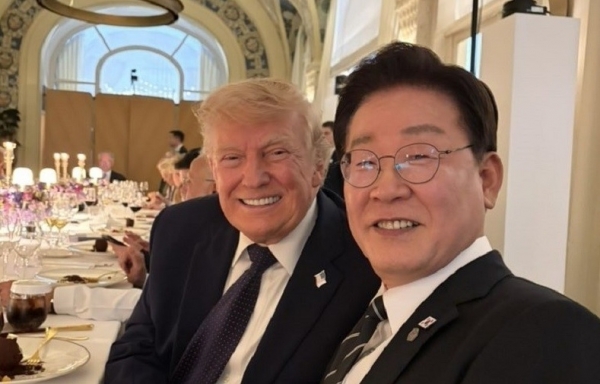
Strategic Pivot: Trump Shifts Focus from Middle East to North Korea Following Historic Iran Agreement
In a significant development reshaping American foreign policy priorities, President Donald Trump has redirected his administration's attention from the Middle East to the Korean Peninsula following a landmark agreement with Iran. This strategic shift, occurring on June 20, 2023, marks a critical juncture in international relations as the United States simultaneously manages two of the world's most pressing geopolitical challenges.
The announcement comes amid complex regional dynamics and shifting alliances, with the Trump administration demonstrating a recalibration of its diplomatic approach. This comprehensive analysis examines the implications of this strategic pivot and its potential impact on global security and stability.
The Iran Agreement: A New Chapter in Middle Eastern Diplomacy
The recent agreement between the United States and Iran represents a significant breakthrough in decades-long tensions between the two nations. After months of intense negotiations, the two countries have reached an understanding that addresses concerns regarding Iran's nuclear program while potentially opening avenues for broader regional cooperation.
While specific details of the agreement remain partially classified, key components have been confirmed by official sources:
- Nuclear Restrictions: Iran has committed to maintaining its uranium enrichment levels below weapons-grade thresholds, with enhanced monitoring mechanisms implemented by international inspectors.
- Economic Sanctions Relief: The agreement outlines a phased lifting of certain economic sanctions, though restrictions related to human rights and ballistic missile programs remain in place.
- Regional Security Framework: Both nations have expressed willingness to engage in dialogue regarding regional security concerns, particularly regarding maritime traffic in the Persian Gulf.
The agreement has been met with mixed reactions internationally. While European allies have largely welcomed the development, some regional partners have expressed concerns about the implications for their security relationships with the United States.
Strategic Realignment: The Shift to North Korea
Following the conclusion of the Iran negotiations, President Trump has rapidly redirected diplomatic resources toward the Korean Peninsula. This shift reflects the administration's recognition of North Korea's advancing nuclear capabilities and the urgent need for diplomatic engagement.
Key developments in this new focus include:
- High-Level Diplomacy: The White House has confirmed that President Trump plans to meet with North Korean leader Kim Jong-un in the coming months, with potential venues including the Korean Demilitarized Zone or a neutral third location.
- Prioritized Agenda Items: The anticipated discussions will focus on denuclearization commitments, verification mechanisms, and confidence-building measures between the two nations.
- Regional Coordination: The Trump administration has begun consultations with key regional allies including South Korea, Japan, and China to develop a coordinated approach to the renewed diplomatic engagement.
This strategic realignment represents a significant departure from previous administration priorities, which had maintained a more singular focus on Middle Eastern affairs since 2017. The shift underscores the evolving nature of global security threats and the necessity of diplomatic flexibility.
Geopolitical Analysis: Implications and Considerations
The simultaneous management of these two complex diplomatic situations presents both opportunities and challenges for the Trump administration. A detailed analysis reveals several critical factors influencing this strategic pivot:
| Strategic Factor | Implications for US Policy | Regional Impact |
|---|---|---|
| Resource Allocation | Shifting diplomatic personnel and attention from Middle East to East Asia | May create diplomatic space for regional actors in Middle East |
| Nuclear Proliferation | Addressing two distinct nuclear challenges with potentially different approaches | Could establish precedents for future non-proliferation efforts |
| Regional Alliances | Balancing commitments to multiple strategic partners | May test the durability of US security partnerships |
| Diplomatic Capital | Expending significant political will on two major initiatives simultaneously | Could limit capacity to address other emerging crises |
Strategic analysts note that this dual-track approach represents an ambitious attempt to resolve two of the most intractable issues in contemporary international relations. The success of this strategy will depend on several critical factors, including the durability of agreements reached, the willingness of all parties to compromise, and the ability of the United States to maintain consistent diplomatic engagement.
Historical Context and Precedents
The current diplomatic initiatives must be understood within the broader context of US foreign policy in the region. Previous administrations have grappled with similar challenges, though with varying degrees of success:
- Iran Nuclear Deal (2015): The Obama administration's Joint Comprehensive Plan of Action (JCPOA) established a framework for limiting Iran's nuclear program, though the Trump administration withdrew from this agreement in 2018 before the current negotiations.
- North Korea Engagement: Previous diplomatic efforts with North Korea have yielded mixed results, with the 2018 Singapore Summit producing vague commitments that were never fully implemented.
- Regional Dynamics: The complex web of relationships between the US, Iran, Israel, Saudi Arabia, North Korea, South Korea, China, and Japan creates a challenging diplomatic environment where progress in one area may impact developments in another.
Expert Perspectives and Future Scenarios
Foreign policy experts have offered diverse assessments of the implications of this strategic pivot. Some view it as a necessary reallocation of diplomatic resources, while others caution about the risks of overextension:
"The simultaneous pursuit of these two diplomatic initiatives represents both an opportunity and a significant challenge," noted Dr. Sarah Jenkins, a professor of international relations at Georgetown University. "The administration must carefully calibrate its approach to avoid creating perceptions of inconsistency or double standards."
Looking ahead, several potential scenarios could emerge from this strategic shift:
- Best Case: Successful negotiations with both Iran and North Korea lead to verifiable denuclearization commitments and reduced regional tensions.
- Middle Case: Partial progress in both diplomatic tracks, with incremental improvements in relations but no comprehensive resolution of core issues.
- Worst Case: Breakdown in negotiations with one or both nations, leading to heightened tensions and potential security crises in either region.
Conclusion: A Defining Moment in American Diplomacy
June 20, 2023, stands as a pivotal date in the evolution of American foreign policy, marking a significant strategic reorientation in response to evolving global challenges. The Trump administration's decision to shift focus from the Middle East to the Korean Peninsula reflects both the changing nature of security threats and the administration's diplomatic priorities.
The success of this dual-track diplomatic approach will depend on numerous factors, including the administration's ability to maintain consistent engagement, the willingness of counterpart nations to compromise, and the broader geopolitical context in which these negotiations unfold.
As the international community watches these developments unfold, one thing remains clear: the resolution of these complex diplomatic challenges will have profound implications for global security, regional stability, and the future of international relations in the 21st century.