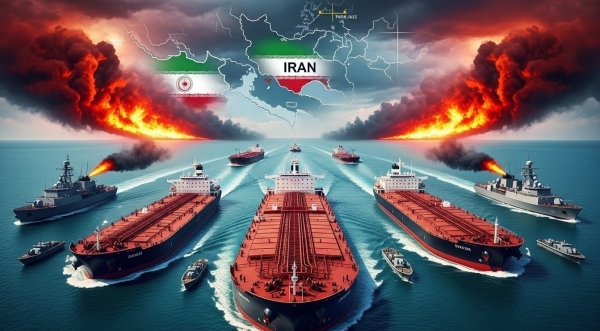
Fragile Peace in the Middle East: Facing First Major Challenges on June 19
In a region historically marked by conflict and instability, the Middle East finds itself at a critical juncture as fragile peace agreements face their first significant tests on June 19. This pivotal moment comes after months of delicate negotiations and diplomatic efforts to establish a new framework for coexistence among neighboring states with complex historical grievances and competing interests.
The current situation represents a delicate balancing act where geopolitical tensions, internal political dynamics, and external influences converge to test the resilience of recently established peace mechanisms. As international observers monitor developments closely, the region stands at a crossroads where decisions made in the coming days could potentially reshape the political landscape for years to come.
Current Situation Assessment
The Middle East peace process, which showed promising signs of stabilization in recent months, is now encountering significant headwinds. Multiple stakeholders involved in the negotiations are facing mounting pressure from various domestic and international factors that threaten to undermine the fragile consensus achieved through previous diplomatic channels.
Diplomatic sources indicate that while the formal agreements remain intact, the implementation phase has revealed numerous challenges that were not fully anticipated during the negotiation process. These challenges include territorial disputes, resource allocation conflicts, and security concerns that require immediate attention to prevent escalation into broader conflicts.
Regional security analysts note that the current situation represents a critical test of the commitment of all parties to the peace process. The ability of regional leaders to navigate these challenges will likely determine whether the recent peace initiatives can withstand the inevitable pressures that accompany any transition from conflict to cooperation.
Key Challenges Being Faced
The Middle East peace process is confronting a complex web of interconnected challenges that test the resilience of recently established agreements. These challenges span multiple dimensions including security, political, and economic spheres, each with its own set of complexities and potential flashpoints.
- Escalating Military Tensions: Despite peace agreements, localized conflicts continue to flare up, particularly in border regions where historical disputes remain unresolved. Recent skirmishes in contested areas have raised concerns about the potential for wider destabilization, with military build-ups observed in several strategic locations.
- Political Instability and Internal Power Struggles: Several nations in the region are experiencing significant internal political challenges, with competing factions vying for influence over the direction of peace negotiations. These internal power dynamics often complicate diplomatic efforts as leaders balance domestic pressures with international commitments.
- External Intervention and Geopolitical Competition: The involvement of global powers has added another layer of complexity to the peace process. Competing international interests and proxy conflicts continue to influence regional dynamics, with some external actors supporting different factions according to their strategic interests.
- Economic Disparities and Resource Competition: Competition over vital resources such as water, energy, and arable land remains a persistent source of tension. Economic disparities between neighboring states create additional challenges for equitable development and cooperation.
- Humanitarian Concerns and Displacement: Ongoing conflicts have resulted in significant humanitarian challenges, including displacement of civilian populations and access to essential services. Addressing these humanitarian concerns remains critical for sustainable peace and stability.
Regional Reactions and Diplomatic Maneuvering
In response to these emerging challenges, regional powers have adopted varied approaches, reflecting their strategic interests and domestic considerations. The diversity of responses highlights the complex web of relationships and competing priorities that characterize the Middle Eastern geopolitical landscape.
Diplomatic observers note that some nations have doubled down on their commitment to the peace process, engaging in multilateral forums and bilateral negotiations to address emerging disputes. Others have taken more assertive postures, reinforcing military capabilities and signaling readiness to defend perceived national interests through both diplomatic and military means.
The international community has responded with mixed reactions, with some powers calling for renewed diplomatic efforts while others have emphasized the need for stronger security guarantees. This divergence in approach reflects broader geopolitical competition and differing assessments of the root causes of regional instability.
| Country | Official Position | Recent Actions | Strategic Objectives |
|---|---|---|---|
| State A | Strong commitment to peace process | Hosting diplomatic talks, offering mediation services | Regional leadership, economic integration |
| State B | Defensive posture, emphasizing security | Military exercises at border, enhanced security cooperation | Territorial integrity, deterrence against perceived threats |
| State C | Critical of external intervention | Regional coalition building, diplomatic outreach to non-aligned states | Reducing foreign influence, preserving autonomy |
| State D | Pragmatic approach, balancing multiple relationships | Economic initiatives, confidence-building measures | Economic development, maintaining strategic flexibility |
Expert Analysis and Future Scenarios
Regional security experts and international relations scholars offer varied assessments of the current situation, with most agreeing that the coming weeks will be critical in determining whether the peace process can withstand current challenges. Several potential scenarios are being considered by analysts:
The most optimistic scenario involves successful de-escalation of current tensions, followed by renewed diplomatic efforts to address underlying issues. This path would require significant political will from all parties and a commitment to compromise on core issues that have historically been points of contention.
A more pessimistic assessment suggests that current challenges could lead to a breakdown in the peace process, resulting in localized conflicts that potentially escalate into broader regional instability. This scenario would likely involve increased military activity, humanitarian crises, and further displacement of civilian populations.
A middle-ground possibility involves a "managed conflict" approach, where disputes are contained through diplomatic mechanisms and security arrangements, allowing other aspects of cooperation to continue. This approach would require sophisticated conflict management capabilities and sustained international engagement.
International Community Response
The international community has responded to the emerging challenges with a combination of diplomatic initiatives, humanitarian assistance, and security support. United Nations officials have expressed concern about the deteriorating situation while emphasizing the importance of maintaining the peace framework achieved through previous negotiations.
Regional organizations have played varying roles in the response, with some facilitating dialogue between conflicting parties while others have focused on monitoring ceasefires and preventing escalation. The effectiveness of these regional efforts has been mixed, reflecting both the opportunities and limitations of multilateral diplomacy in the Middle Eastern context.
Major global powers have issued statements calling for restraint and renewed dialogue, though their actual involvement has been limited by competing strategic interests and differing approaches to regional security. This divergence has complicated efforts to present a unified international front in support of the peace process.
Humanitarian and Economic Implications
The current tensions have significant humanitarian and economic implications that extend beyond the immediate security concerns. Humanitarian agencies report increased needs in conflict-affected areas, with civilian populations facing displacement, restricted access to essential services, and protection concerns.
Economically, the uncertainty has led to market volatility in several regional states, with impacts on investment, tourism, and trade. The potential for broader conflict poses significant risks to economic stability and development prospects across the region, particularly in sectors that depend on cross-border cooperation.
International financial institutions have begun assessing potential economic impacts, with some preparing contingency plans to mitigate the effects of prolonged instability. These considerations highlight the interconnected nature of security, political, and economic factors in the Middle Eastern context.
Conclusion and Path Forward
The situation in the Middle East on June 19 represents a critical test of recently established peace mechanisms and the commitment of regional and international stakeholders to stability. The challenges currently facing the peace process are significant but not insurmountable, requiring careful diplomatic maneuvering and genuine political will from all parties.
Moving forward, several key priorities emerge: de-escalation of current tensions, renewed diplomatic engagement, addressing humanitarian concerns, and developing economic incentives for cooperation. Success will require balancing immediate security concerns with longer-term structural solutions to underlying conflicts.
The international community has an important role to play in supporting these efforts through diplomatic engagement, humanitarian assistance, and technical support. However, the primary responsibility rests with regional stakeholders, whose commitment to peace will ultimately determine the success or failure of current initiatives.
As events continue to unfold, the coming weeks will likely prove decisive in shaping the trajectory of Middle Eastern relations for the foreseeable future. The choices made during this critical period will have profound implications for regional stability, security, and prosperity in the years to come.