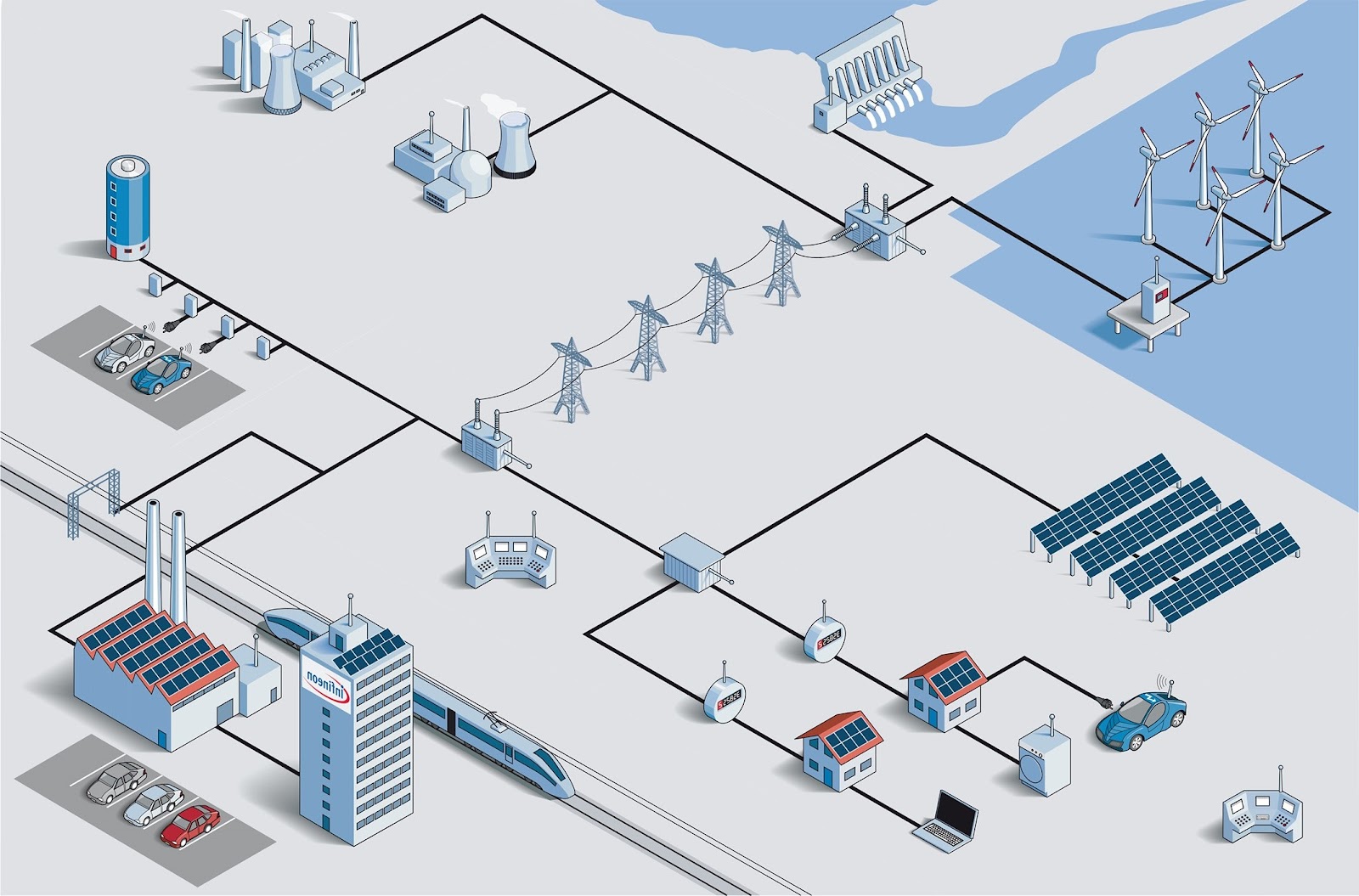
Building Vietnam's Future Power System: A New Path for the Nation
The past decade has witnessed a remarkable transformation in Vietnam's energy sector, particularly the explosive growth of renewable energy sources. Solar and wind power have emerged as primary drivers, completely reshaping the country's energy structure and establishing Vietnam as a notable bright spot in the clean energy development landscape of Southeast Asia.
The Breakthrough in Renewable Energy Development
Vietnam has achieved remarkable success in expanding renewable energy capacity in recent years. From a nation primarily dependent on hydropower and coal-fired thermal power, Vietnam has rapidly transitioned, making substantial investments in clean, environmentally friendly energy sources.
This development not only meets the country's growing energy demands but also contributes to international commitments to reduce greenhouse gas emissions and combat climate change. According to the latest data, installed capacity of solar and wind power has grown exponentially over the past decade.
| Growth of Renewable Energy Capacity in Vietnam (2015-2023) | ||
|---|---|---|
| Year | Solar Power (MW) | Wind Power (MW) |
| 2015 | 85 | 119 |
| 2018 | 445 | 199 |
| 2020 | 16,500 | 5,810 |
| 2023 | 20,000+ | 8,000+ |
Solar Power - A Main Pillar in Energy Transition
Solar power represents one of Vietnam's most impressive development areas. Attractive support policies such as Feed-in Tariff (FiT) have created an investment wave from both domestic and international sources. Solar power projects have been implemented rapidly, ranging from large-scale farms to rooftop solar systems.
By the end of 2023, Vietnam's total solar power capacity had exceeded 20,000 MW, accounting for a significant share of the country's total installed capacity. This not only helps diversify the energy supply but has also created tens of thousands of direct and indirect jobs.
Wind Power - Untapped Potential
Parallel to solar power, wind energy has also witnessed impressive growth. With a coastline of over 3,260 km and enormous offshore wind energy potential, Vietnam is effectively harnessing this resource.
Onshore wind power projects have established Vietnam as one of the countries with the largest wind power capacity in the region. Particularly, pilot offshore wind projects are opening up new directions, with potential energy capacity that could be many times greater than onshore wind power.
| Classification of Renewable Energy Capacity in Vietnam (2023) | |||
|---|---|---|---|
| Type | Capacity (MW) | Share (%) | Growth vs 2020 |
| Solar Power | 20,000 | 45.5 | 121.2% |
| Wind Power | 8,000 | 18.2 | 37.7% |
| Small Hydropower | 9,000 | 20.5 | 5.9% |
| Others | 7,000 | 15.8 | 8.5% |
| Total | 44,000 | 100 | - |
Impact on National Energy Structure
The strong development of renewable energy has brought profound changes to Vietnam's energy structure. The share of renewable energy in total installed capacity has increased from a modest level at the beginning of the decade to over 40% in 2023.
This has not only reduced dependence on imported fossil fuels but has also contributed to national energy security. Renewable energy has also reduced greenhouse gas emissions, supporting Vietnam's efforts to combat climate change.
Vietnam's Position in the Region
With impressive renewable energy development, Vietnam is rapidly becoming a bright spot in the Southeast Asian region. This achievement has been internationally recognized, with many lessons from Vietnam being studied by other countries in the region.
Vietnam is not only an attractive market for international investors in the clean energy sector but is also becoming an important partner in regional renewable energy cooperation. Vietnam's success demonstrates that developing countries can achieve economic growth while developing sustainably in terms of energy.
Prospects and Challenges in the Future
To continue sustainable development, Vietnam faces both opportunities and challenges. Regarding opportunities, Vietnam's solar and wind energy potential remains enormous, particularly offshore wind and floating solar power.
However, the challenges are also significant, including:
- Managing the power grid to effectively integrate variable renewable energy sources
- Ensuring system stability as the share of renewable energy increases
- Developing suitable electricity market mechanisms
- Attracting investment in energy storage technologies
- Building long-term, stable policies to attract investment
Conclusion
Vietnam's journey in building its future power system has achieved remarkable success over the past decade, with the explosive development of solar and wind power. These achievements have not only changed the country's energy structure but have also enhanced Vietnam's position on the regional and international clean energy map.
However, to continue sustainable development, Vietnam needs to address technical, policy, and market challenges. With enormous potential and strong political commitment, Vietnam can fully build a modern, sustainable, and environmentally friendly power system, contributing to the country's sustainable socio-economic development.